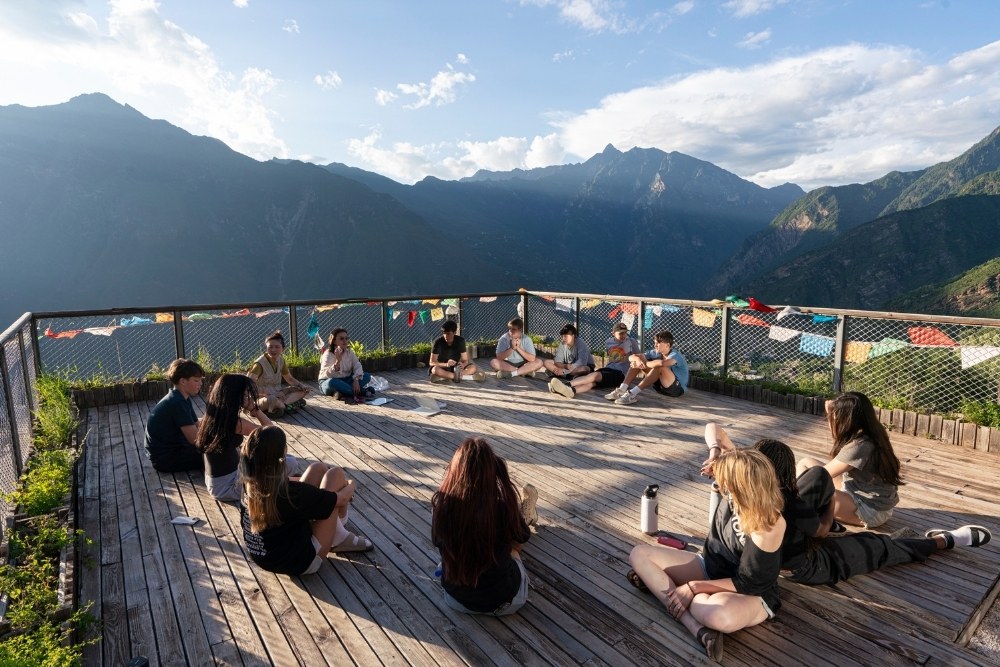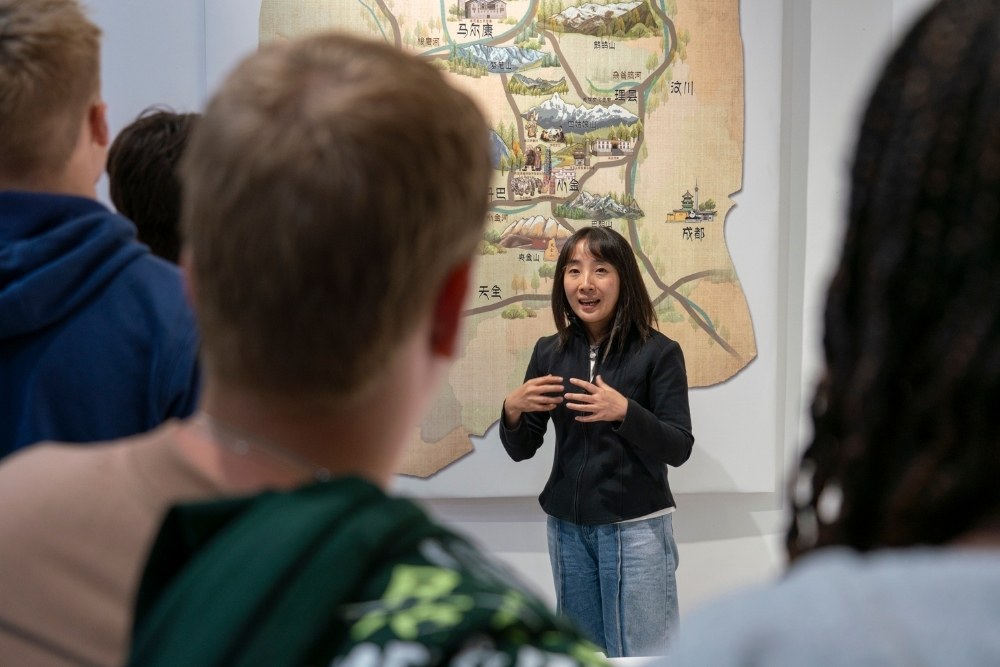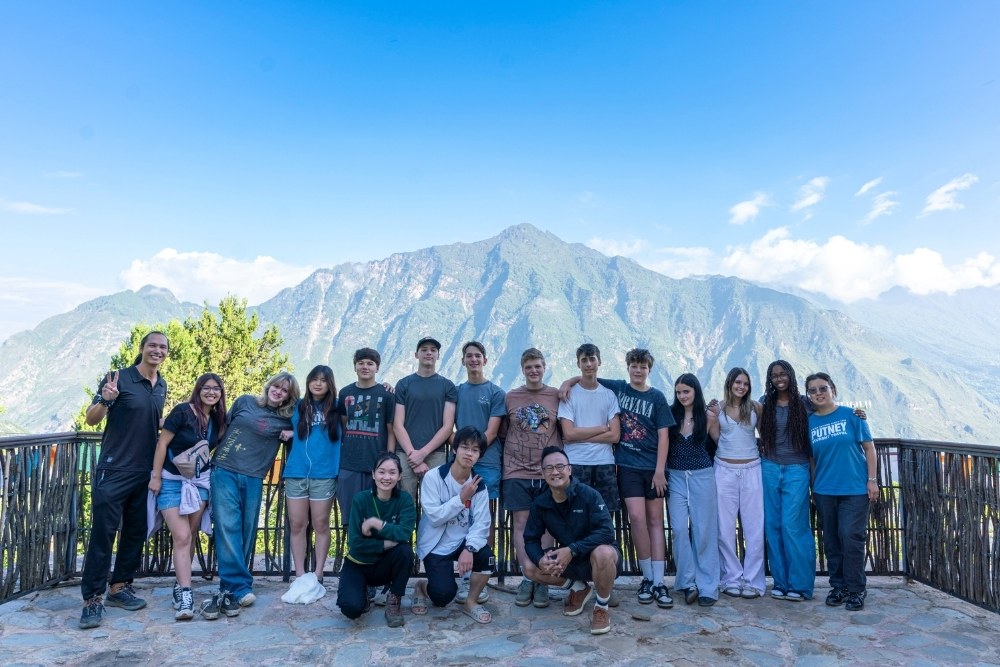


Whether you are just starting to explore Chinese language and culture, or already have several years of high-school Mandarin, experience the richness of China’s cultural heritage through field-based learning on this summer language program in China for high school students. Build your Mandarin through real world interactions, as you delve into China’s economics, religion, the arts, and current events. Begin in Beijing, then visit the Great Wall, Nanjing, the Yellow Mountains, and Shanghai.
- Dates:
- July 7, 2013 - August 4, 2013
- Eligibility:
- Students completing grades 9-12
- Focus:
- Language Learning
- Typical Group:
- 16-18 Students, 2 Leaders
- Duration:
- 4 week(s)
Overview
China is a world superpower. Extraordinary growth in its production of industrial and commercial goods has affected markets, tilted trade balances, and increased competitive pressures across the globe. Foreign companies seek access to China’s one billion+ potential customers. Military strategists argue about the country’s effect on international relations in Asia and beyond. Chinese films draw wide audiences and attract attention to the nation’s rich contemporary and traditional arts. Though China demands the world’s attention, few Americans understand it beyond the most superficial level. Language Learning China provides an opportunity for motivated students who want to take a first step in their study, and an in-depth experience for those who have already begun to focus their interest. The program challenges students to learn and live outside their comfort zones, to explore a new culture with an adventurous and curious spirit, and to constantly try new things.
Note: Both students new to Mandarin Chinese and those with previous language experience may join Language Learning China. Multiple daily language lessons are differentiated into beginner and advanced groups so that, while enjoying a shared cultural experience, students learn vocabulary and grammar skills appropriate to their language level.

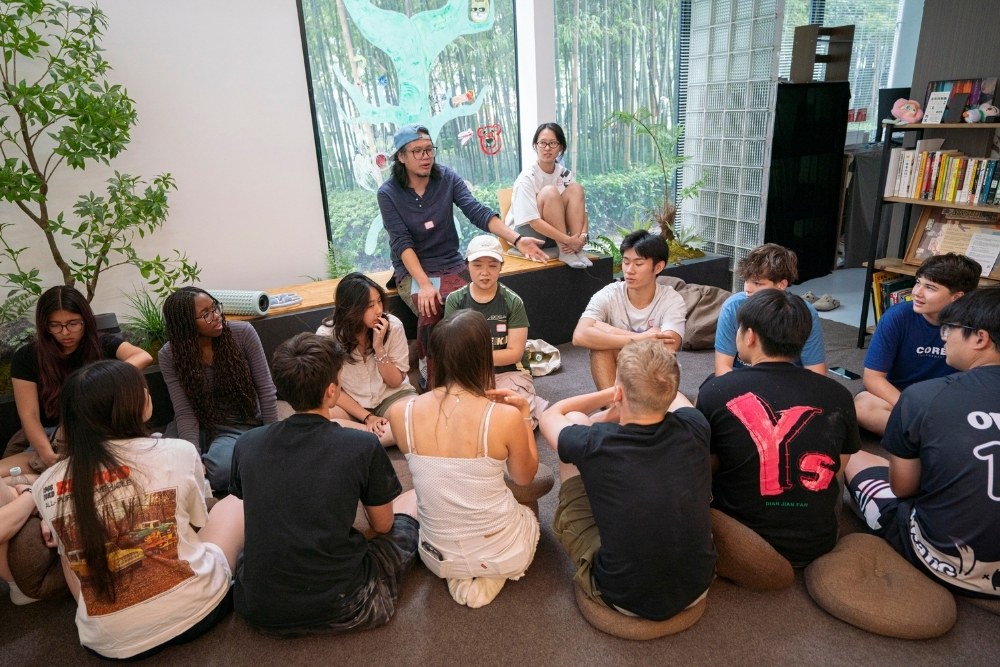
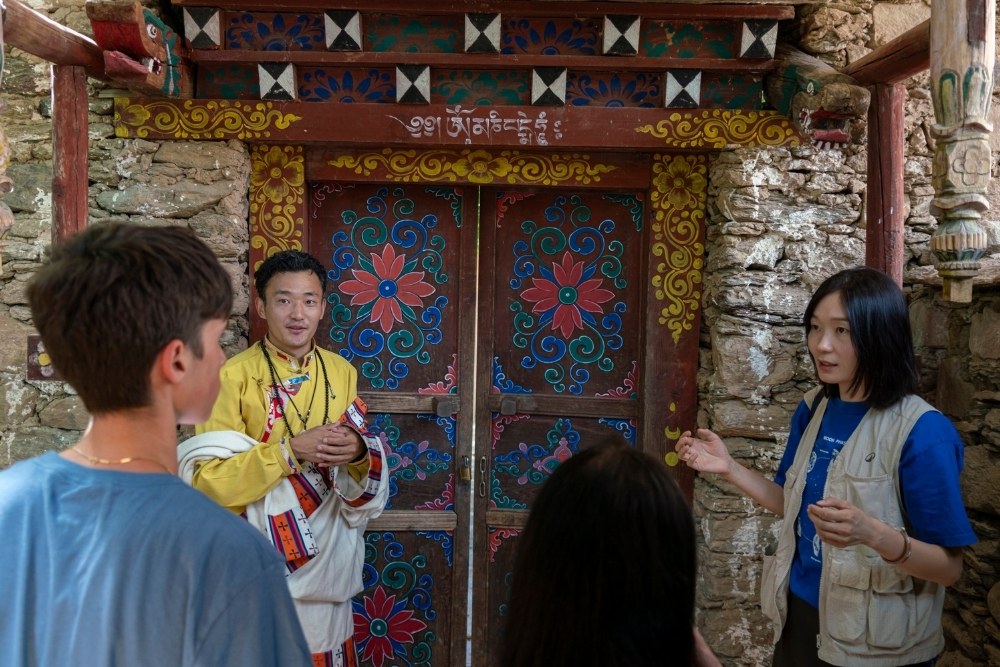
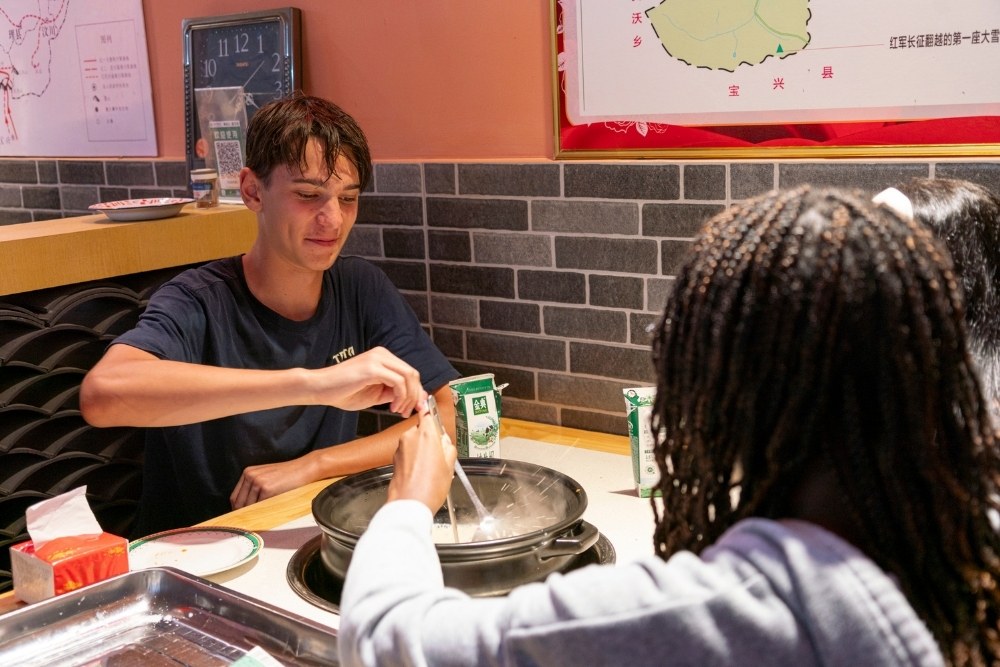
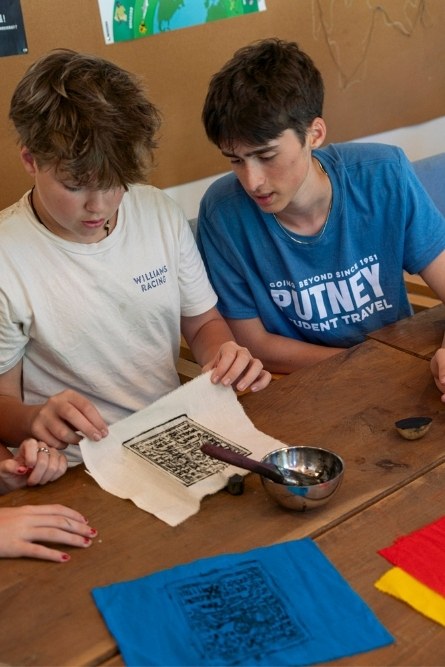
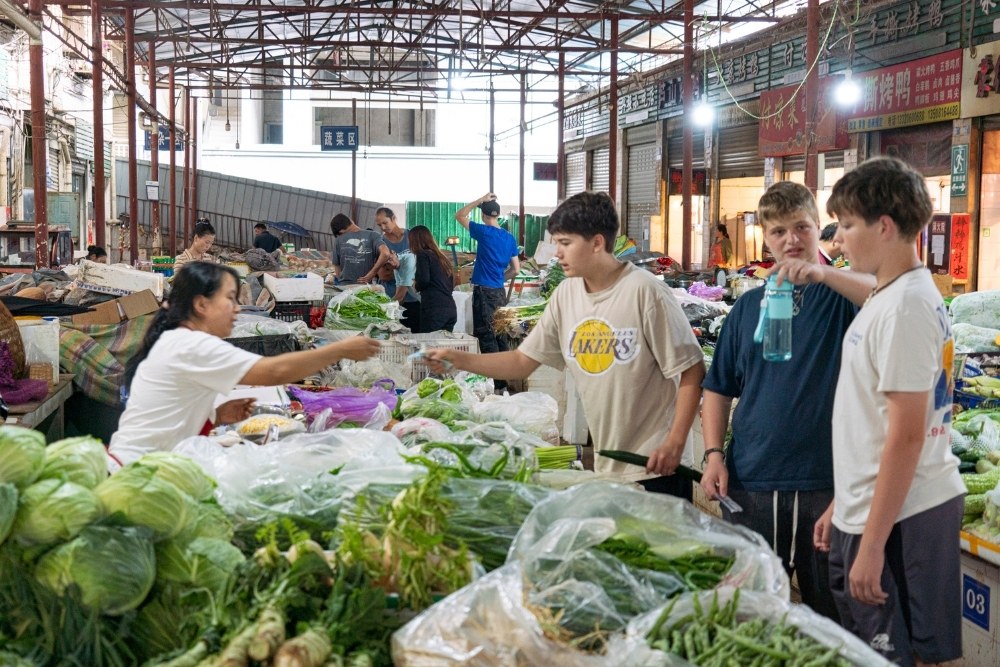
On Language Learning China, the streets, historic sites, shops, parks, and restaurants are your classroom, and interactions with local people are a key feature of your learning.
Beijing and the Great Wall: Language Learning China begins with a week at comfortable hotel accommodations in central Beijing. After a short orientation and language assessment, dive right in to heart of China’s capital city. Walk below the enormous portrait of Mao into the vast courtyards and lavishly decorated temples, gardens, and passageways of the Forbidden City – home to China’s emperors. Mandarin lessons lead to conversations with local people in parks, shops, and sidewalk food stalls. Explore the narrow streets of a traditional hutong neighborhood, or interview artists at the avant garde galleries at Dashanzi 798, a former electronics factory that has been transformed into the city’s most vibrant art district. Enjoy an evening stage performance combining acrobatics with kung fu and traditional dance. Learn just how spicy real Szechwan food is!

The best way to improve your comfort with spoken Mandarin is to immerse yourself in Chinese culture.
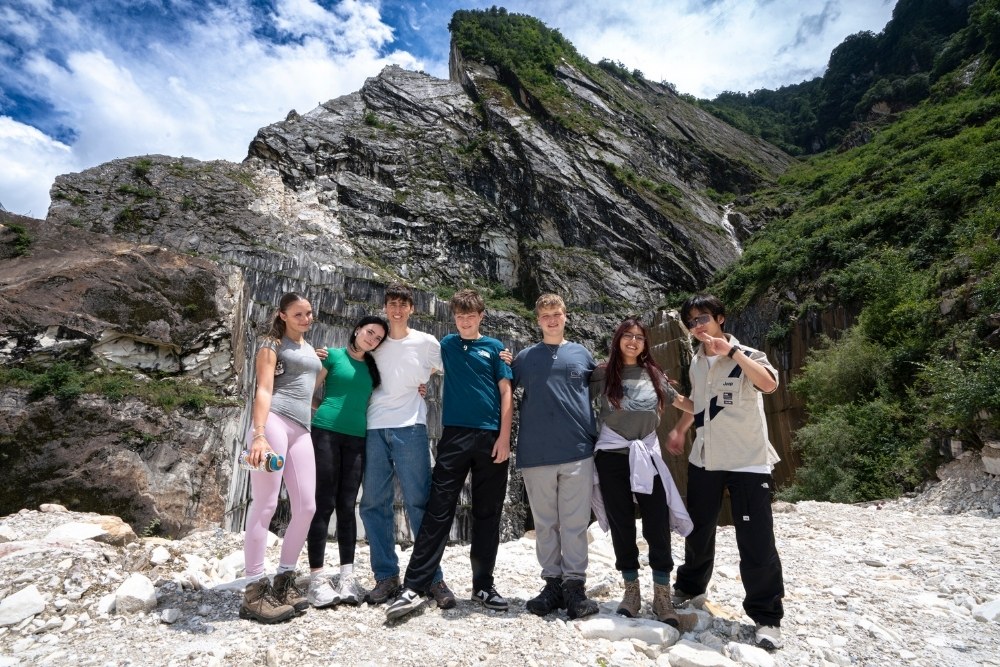
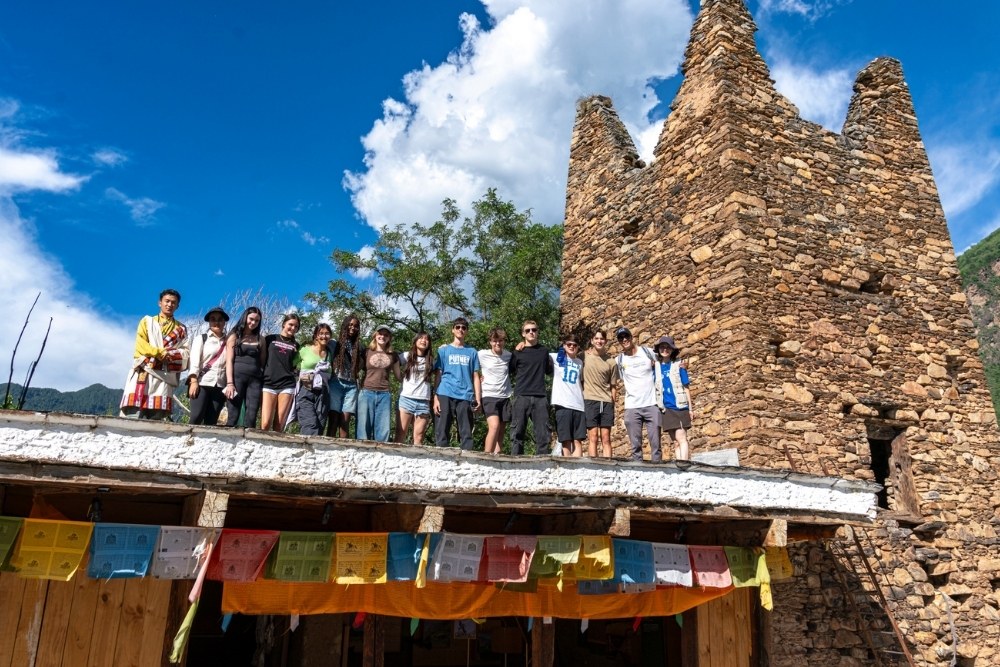
Heeding Mao’s admonition that “He who has not climbed the Great Wall is not a true man,” we take two days for a trip to one of the less-visited portions of the Great Wall. After a challenging hike on the ruined battlements, we spend the night at a rural guesthouse.
“Bargaining in the Silk Market would have to be my greatest sense of accomplishment. I am a tall, blonde-haired, blue eyed girl so people working in the markets did not think I would know how to use my Chinese to bargain with them, but I ended up being one of the best bargainers on our trip. The experience showed me the value of stepping outside my comfort zone and trying something new without being afraid of the outcome.”
- Julia Merjan, New Trier High School, Glencoe, IL
Nanjing and Jiangsu Province: Travel as the Chinese do, on an overnight train, to Nanjing, one of the four Great Ancient Capitals of China. Walk among the vendors on the shores of the Qinhuai river in search of the perfect dumpling, visit the serene Linggu Temple, and explore the dynastic tombs in the scenic Purple Mountain Park. During this time, students are paired with a welcoming Chinese family for a weeklong day-stay. Spend mornings and afternoons with your host family, then return to group each night to discuss what you have learned. With your increasingly confident Mandarin, embark on several day trips and overnight excursions in surrounding Jiangsu Province: hike in the misty Yellow Mountains as you listen to the calls of monkeys echoing through the forest, and discover Hangzhou, China’s “honeymoon capital,” with its serene Buddhist temples on the tranquil shores of West Lake.
Shanghai: From Hangzhou it is a short train ride to Shanghai, where we soak up the high-octane ambiance of this metropolis of 19 million that seeks to rival New York as the center of world trade. Continue to hone new language skills as we explore the dramatic skyscrapers and avant-garde art and music scene of this shimmering face of cutting-edge China.
Highlights
- Interview Chinese families in Tiananmen Square about their perceptions of life in the U.S.
- Meet Chinese high school students for a scavenger hunt in Nanjing’s Purple Mountain scenic area.
- Visit a U.S. company’s offices in Shanghai to discuss the challenges of doing business in China.
- Climb the stairways and battlements of an undeveloped section of the Great Wall.
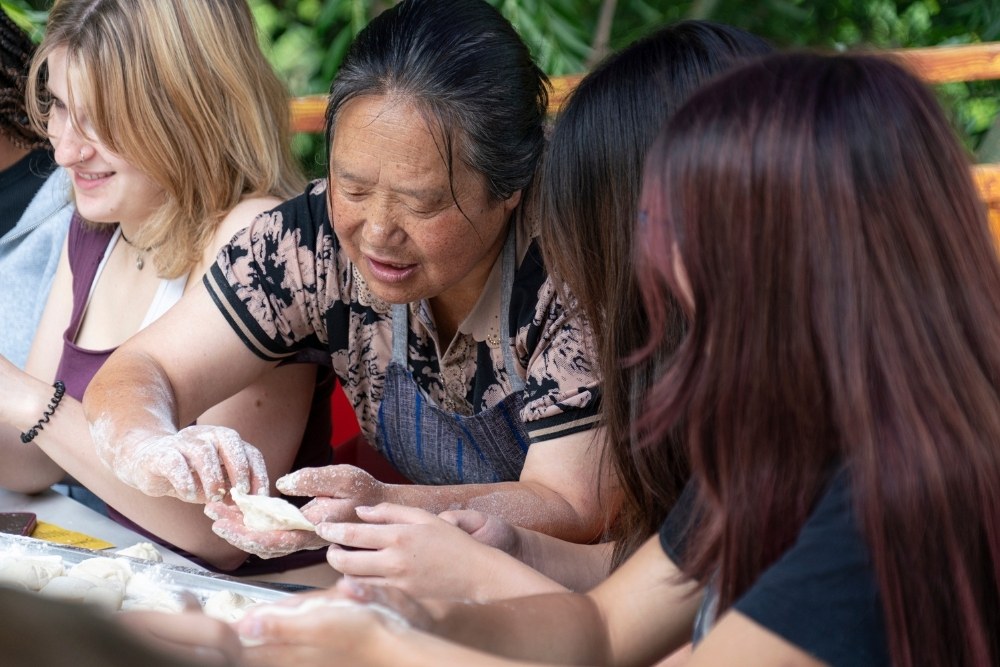
- Take a cooking class at the Black Sesame Kitchen in the Heizhima hutong.
What to Expect
You should come to the program with an open mind, excited about new experiences, and prepared to engage fully with language lessons and opportunities to interact with native Mandarin speakers. You should be enthusiastic about participating fully in a schedule packed with intellectual and physical activity, and be willing to challenge yourself to make the most of your time in China. Most of the day is filled with structured activities, but there are some opportunities to explore your surroundings and make your own discoveries. We expect you to behave in a mature and productive way at all times. Rules prohibiting drug, alcohol, and tobacco use, setting curfew times, and providing a safe and structured environment are in place, and are enforced.
At Putney we take pride in our reputation for careful, thorough planning and attention to detail. The descriptions of our high school summer programs abroad are based on our experiences in previous summers and our plans for this summer. It is inevitable that some things described here will not happen exactly as presented. To get the most out of the Putney experience, participants need to be flexible in responding to unforeseen situations, and creative in taking advantage of unexpected opportunities. We expect Putney participants to share responsibility for the success of their experience.
Fees
Tuition: $6,590
Putney organizes escorted international flights. Please consult us for fares.
Itinerary
This program begins and ends at LAX in Los Angeles, California.
Departure • July 7. Join your group and begin your journey to China. The group flight departs from LAX and is accompanied by an Excel flight escort.
Beijing • Settle in to your accommodations in the center of Beijing, get to know your fellow students and your leaders, begin your language lessons, and start taking advantage of the extraordinary range of fascinating opportunities for learning and fun that the city offers. Take a two-day excursion to the Great Wall, and get a feel for the countryside by staying for a night in a rural guesthouse.

Climb to the top of a sparsely traveled section of the Great Wall for spectacular views of the surrounding countryside.
Nanjing and Jiangsu Province: Take an overnight train with sleeper berths to the ancient capital of Nanjing, home to six dynasties. Pair with a Chinese family for a week of day stays, and explore the province with overnight trips to the Yellow Mountains and Hangzhou.
“Abi experienced China in a unique and in-depth way, and gained inspiration and focus prior to returning to her senior year in high school. I always felt she was safe and secure while simultaneously being afforded opportunities for independence and autonomy. The program exceeded my expectations in all ways.”
- Judith Weinstein, Chicago, IL
Shanghai • Spend the final week of the program in this remarkable boom town of 19 million inhabitants. Nowhere is the contrast between rural and urban China more stark, or the tension between tradition and modernity more apparent. Use your newly acquired language skills to talk with students, businesspeople, and artists and form your own vision of China in the 21st century.
Head for Home • August 4. Accompanied by an Excel flight escort, fly with the group from Shanghai to California, and continue to your final destination on a connecting flight.
This itinerary represents our best projection of the group’s schedule. However, we may implement changes designed to improve the quality of the program.
Destination
Background • After decades of stagnation, China has emerged as a world superpower. Extraordinary growth in its production of industrial and commercial goods has affected markets, tilted trade balances, and increased competitive pressures across the globe. Foreign companies are seeking access to China’s one billion potential customers. Military strategists argue about the country’s effect on international relations in Asia and beyond. Chinese films draw wide audiences and attract attention to the nation’s rich contemporary and traditional arts. Though China demands the world’s attention, few Americans understand it beyond the most superficial level.
Population • China is the world’s most populous nation, with 1.4 billion inhabitants. The scale of its cities is difficult to grasp. Beijing is home to 16 million, while 19 million live in Shanghai. Hangzhou, with just four million, is a “small” Chinese city!
Language • Mandarin is the official language of China, and is the prevailing spoken language of Beijing and northern China. There are countless regional Chinese dialects, as well as distinct languages spoken by ethnic minorities.
Climate • China is hot during the summer months. High temperatures in the major cities our group visits are typically in the 80s and 90s. Our accommodations are air-conditioned, but you should expect to spend the majority of each day outside and on the move.
Cuisine • Arguably the best and most diverse cuisine in the world, Chinese food has something for everyone, though strictly kosher options are limited. There are many dishes recognizable to anyone who has eaten in a Chinese restaurant at home, and an extraordinary array of delicious options for expanding your culinary horizons.
Currency • The Chinese currency is the yuan, aka the RMB. An ATM card is the most convenient way to access cash.
Voltage • China uses 220V/50Hz, so you will need a voltage converter (though not a plug adapter) if you want to plug in electronic equipment that isn’t designed to handle variable voltages.
Visa • You are required to have a Tourist Visa to visit China. This must be obtained in advance. The process is straight-forward and typically takes less than two weeks. A valid passport is required to obtain a visa.
- Dylan Posner, Abraham Joshua Heschel School, New York, NY
The Language Learning China program is directed by Patrick Noyes. If you have questions, are interested in receiving more detailed information, or would like to talk further about the program or any of our high school summer programs abroad, please get in touch!
Patrick Noyes
Patrick Noyes: Georgetown University, B.A., Spanish. After living for five years in Spain, Patrick joined Putney twelve years ago as leader of a Spain Language Learning program. He spent five summers with Excel in Spain, and has directed Excel at Amherst College, Excel China, and Excel Spain. Patrick has an unhealthy fascination with technology, which he tries to balance with healthier fascinations of camping, adventure races, architecture, and arthouse Spanish Cinema.
How To Apply
STEP 1: LOG ON.
If you are new to Putney Student Travel, visit our Online Application.
If you are a Putney Student Travel alumni family, use your existing account information to Log In.
STEP 2: HOLD A SPACE IN THE PROGRAM.
You can hold a space in a program by completing the Online Application Form, submitting a signed Agreement Form, and providing the $700 Application Deposit by Mastercard, Visa, or Discover Card through our secure online system or by sending a check to our office. Our admissions staff is also available to take credit card information over the phone. We will hold a space in a program for a reasonable time, pending completion of the full application process. See Step 3.
After March 15, we will hold a space temporarily as above, but we must receive full payment by check or wire transfer within three days to continue to hold a space in the program.
STEP 3: COMPLETE THE APPLICATION PROCESS.
Before we can make a final admissions decision, an application must be complete. In addition to the Application Form and Application Deposit described above, a complete application includes:
- Applicant Statement - Attach a statement explaining why you would like to join a Putney program and what you feel you can contribute to it. Your application cannot be processed without this statement. Approximately 150–300 words is sufficient. Global Action applicants’ statements must be 300-500 words addressing these questions, and detailing their interest and/or experience in the country and issues on which they wish to focus.
- Two Teacher Reference Forms
These documents are available as part of our Online Application. We review a completed application within a few days, and notify families of our admissions decision by e-mail.