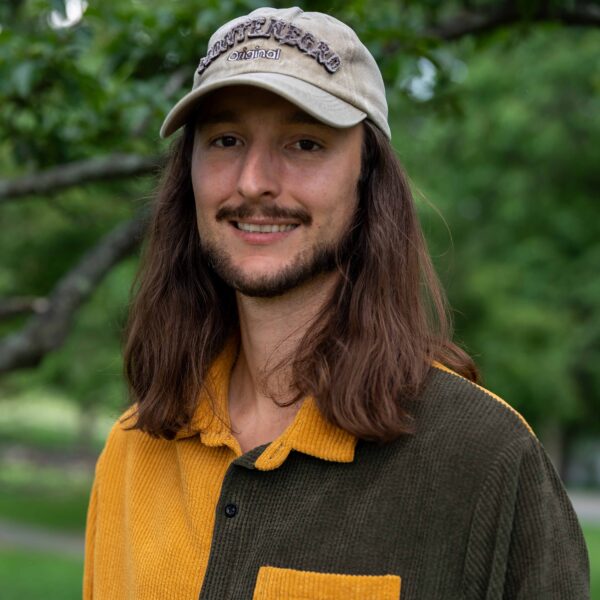

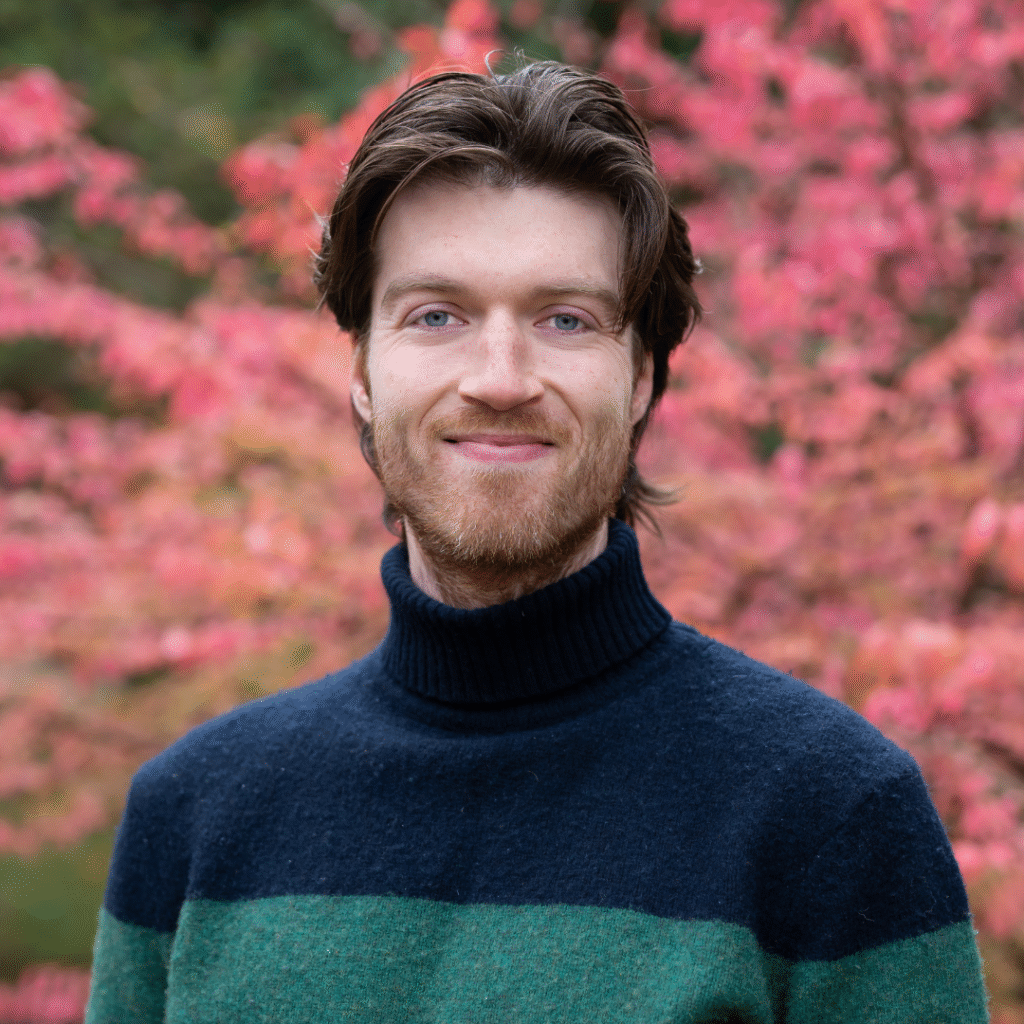
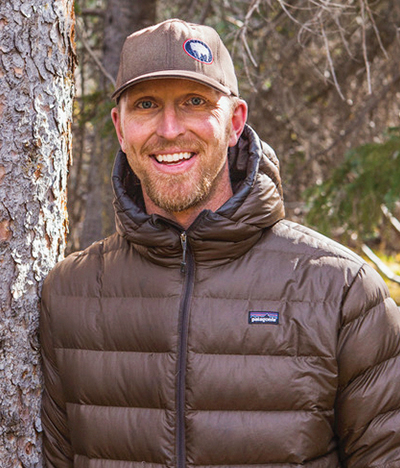
Program Directed by
John Ralston
If you have questions or would like to talk further about this program, please get in touch!


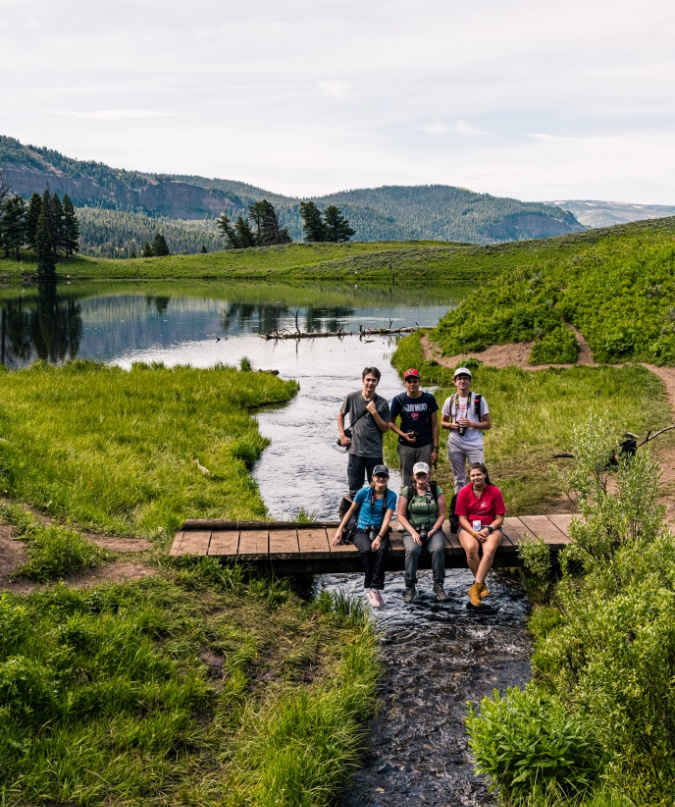

Meet your fellow high school student travelers and leaders in Bozeman, Montana. To learn more about how we organize travel, click here.
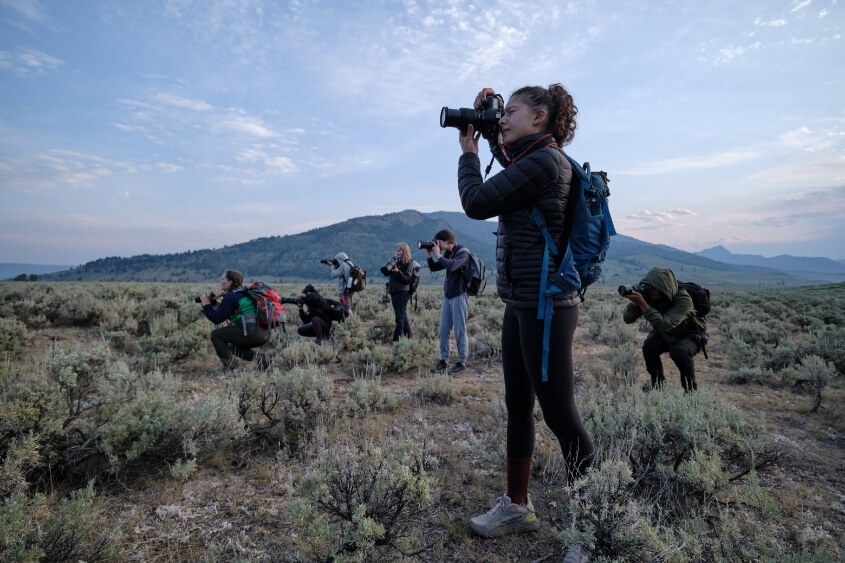
Begin your photo program with two nights in the mountain town of Bozeman, Montana, get to know your group, and prepare for your time in Yellowstone National Park. Once inside the park, delve into the art and technique of photography, working in small groups with your accomplished photo instructors and program expert. Head out on photo shoots each day, trying out new techniques with the wildlife and landscapes you encounter. Practice managing light and depth of field, work with flash, and learn to improve your composition. Then return to the classroom to review and edit your images and prepare for the next day’s assignment.
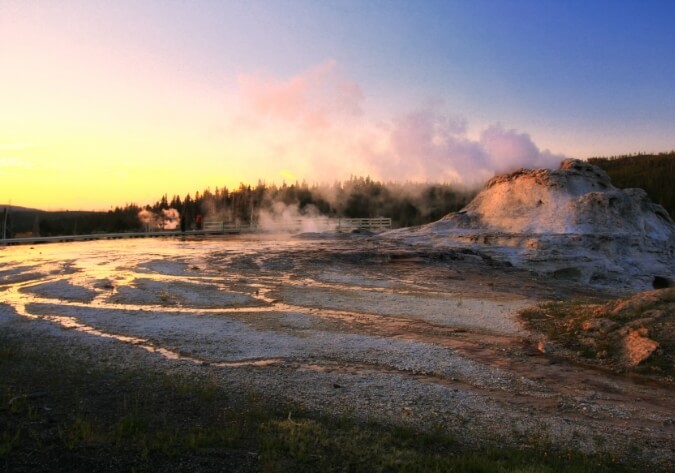
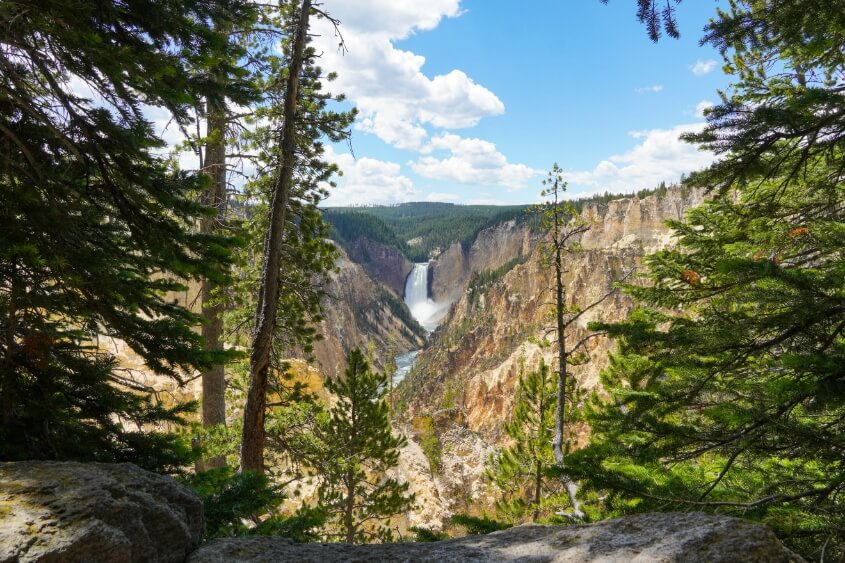
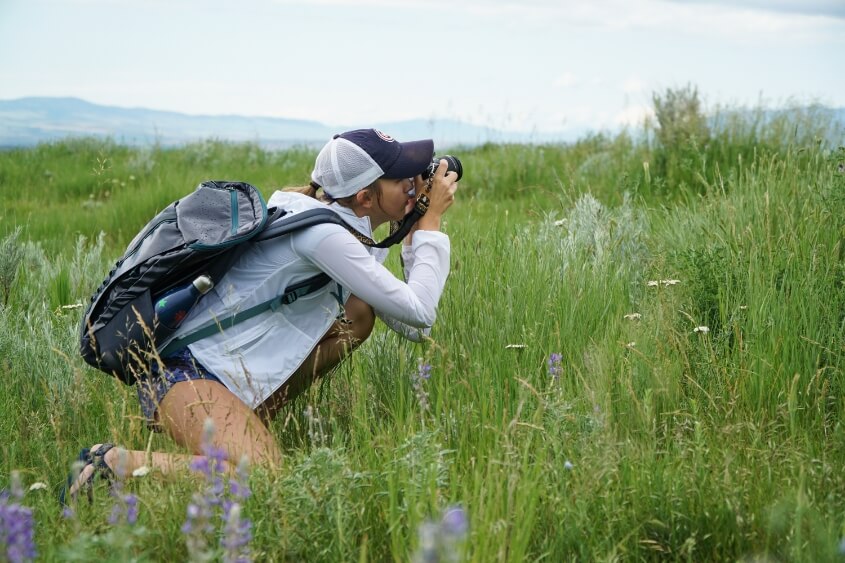
Settle into our accommodations near the National Park, and enjoy beautiful mountain views and opportunities to observe the park’s fascinating wildlife. Hone your eye for great landscape shots during visits to vibrant hot springs, geyser basins, and the Grand Canyon of Yellowstone. Find your adventurous spirit while hiking to dramatic vistas and through fields of alpine wildflowers, and spend a day whitewater rafting with guides on the Yellowstone River.
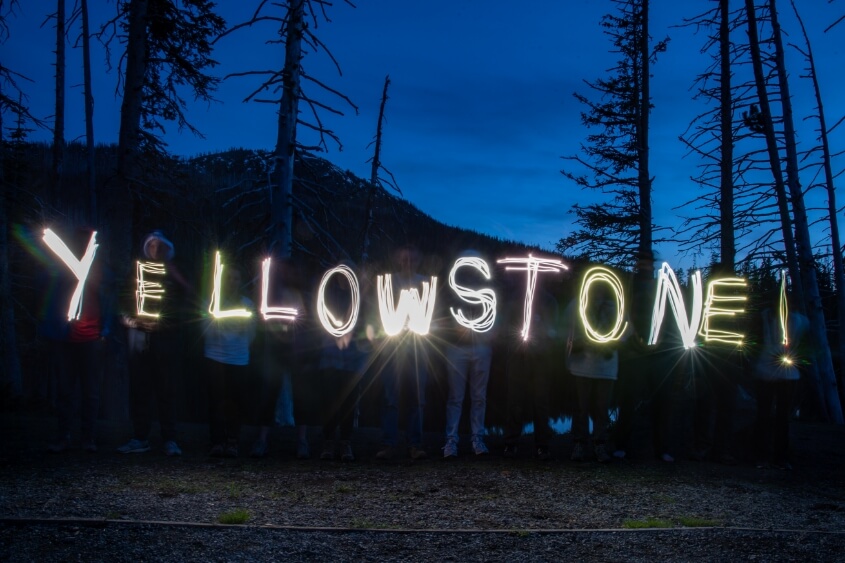
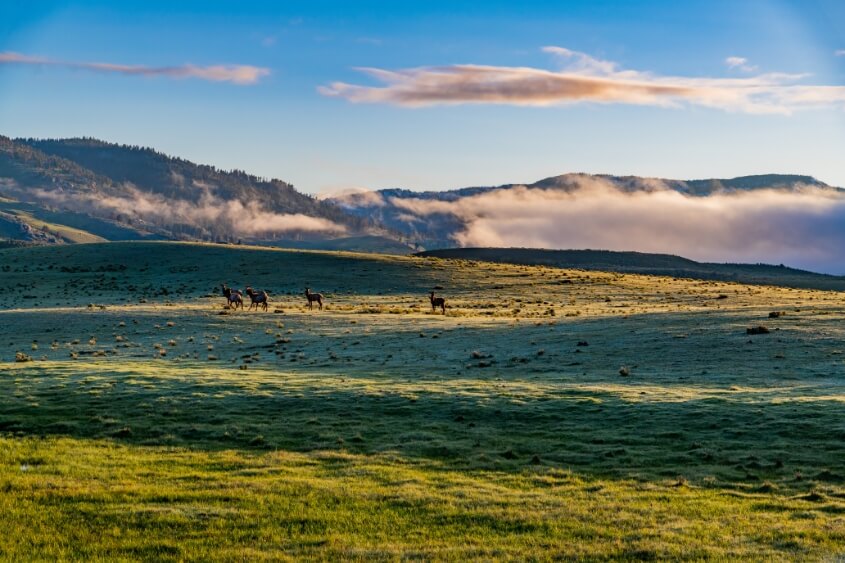
In the evenings, tell stories around a campfire, review the day’s images, and work on editing your photos for final presentations. Head back out after dark to photograph Yellowstone’s nocturnal ecosystems. Capture the glow of golden hour during a sunset shoot in the Lamar Valley, practice taking wildlife photos in low lighting, and master the art of star photography under Yellowstone’s vast night sky.
Spend your last two days back in Bozeman, organizing and editing your work, and working with your group to curate and install a pop-up gallery show featuring each student’s original images.
Head to Bozeman’s Yellowstone International Airport for independent flights home, or arrange for parent or guardian pick-up from Montana State University dorms. To learn more about how we organize travel, click here.
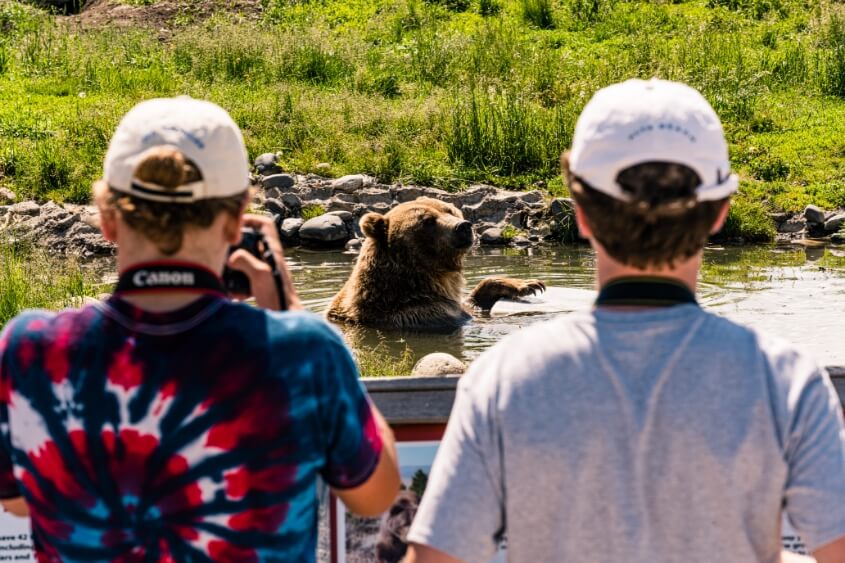
Our high school Yellowstone Photo Workshop program is devoted entirely to the practice and exploration of the field of photography. It is designed for high school students (grades 9-12) to learn photography skills in the classroom and apply them in one of the world’s most iconic and picturesque places. Students benefit from personal guidance from professional photographers and a program expert who have extensive experience in the field and working with students. Students participate in daily photography lessons, edit-and-critique sessions, and field assignments.
Capture photos of wildlife, hone your eye on the colors of Wyoming’s canyons and geysers, practice star photography, and work on motion photography with Yellowstone’s many waterfalls. On some days, the group will prioritize waking up before sunrise, as the early morning hours are prime for spotting wildlife, and the soft, diffused light makes for stunning photographic opportunities. On other days, we may choose to extend our shooting hours into the evening instead. The late summer sunsets provide a unique opportunity to capture the landscape bathed in warm, golden hues and another good chance to see wildlife.
Students are split into smaller groups during interactive photography tutorials and experiences while coming back together as one big group for presentations, editing time, and classroom lectures.
All students on Putney programs pursue an independent project as a way to more deeply engage with aspects of local culture or program themes that are of particular interest to them. On our Yellowstone photography program, students develop a body of photographic work, receiving guidance and constructive feedback from program leaders and the program expert.
Each student’s project can look different depending on their experience and goals. Some students may use the project to create their first photography portfolio, while others may focus on developing their skills, refining their creative vision, or exploring a specific photographic style or subject. Throughout the program, students receive support, feedback, and creative prompts to help them create meaningful work. Students then share their project in the form of printed images and a slideshow to be showcased at a public gallery opening at the end of the program.
To help students fully engage and immerse themselves in the Putney Student Travel experience, we do not allow use of cell phones or other internet-connected devices (including tablets, smart watches, laptops, etc.) on our middle school or high school travel programs. Students may have their cell phones during travel to and from the program. During the group’s in-country orientation, program leaders facilitate a call home, then collect and securely store all phones until departure day. Throughout the program, students have the opportunity for a weekly call home according to a pre-arranged schedule.
Special note for this program: On our small-group, photography-focused programs in Yellowstone and the Canadian Arctic, students are required to bring a laptop as part of their program equipment. These laptops are used for program-related photography work, including downloading, editing, and sharing photographs. Students should use their laptops for these purposes and should not use them for personal internet use, communication, or entertainment. For more details, please see our Approach to Technology.
This is a physically active summer travel program. This program in the Yellowstone Region includes several active excursions such as hiking and rafting. You do not need to be at peak fitness to participate, but it is important that you have a desire to be physically active, and that you are excited about trying all activities.
In Bozeman, Montana, we stay on a college campus in dormitory-style accommodations (mostly double-occupancy rooms). Classrooms are equipped with projectors so we can share and critique our work. For our time in Yellowstone, the group stays at a small lodge close to the entrance of the park. Leaders reside with students for the duration of the program.
While on campus in Bozeman, the group takes the majority of their meals in the campus dining hall or outside with picnics and meals to order. In Yellowstone, we pack lunches for days of exploration, or stop at Yellowstone’s many cafeterias and restaurants.
This photography program is designed for high school students (grades 9-12) who are passionate about photography, visual storytelling, and exploring the natural world. Students may be interested in wildlife photography, landscapes, conservation, the flora and fauna of Yellowstone, or the cultural and natural history of the region.
The most successful students are curious, creative, and eager to learn from others. They enjoy connecting with like-minded peers, developing their photography skills, receiving and giving feedback, and challenging themselves to see the world in new ways. Whether students are building their first portfolio or looking to take their photography to the next level, an openness to experimentation and creative growth will help them get the most out of the experience.
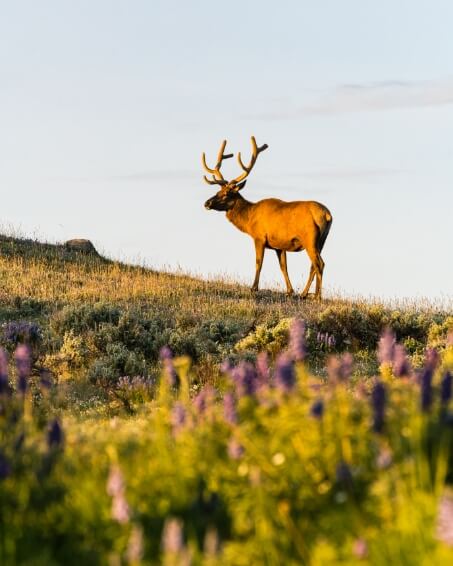
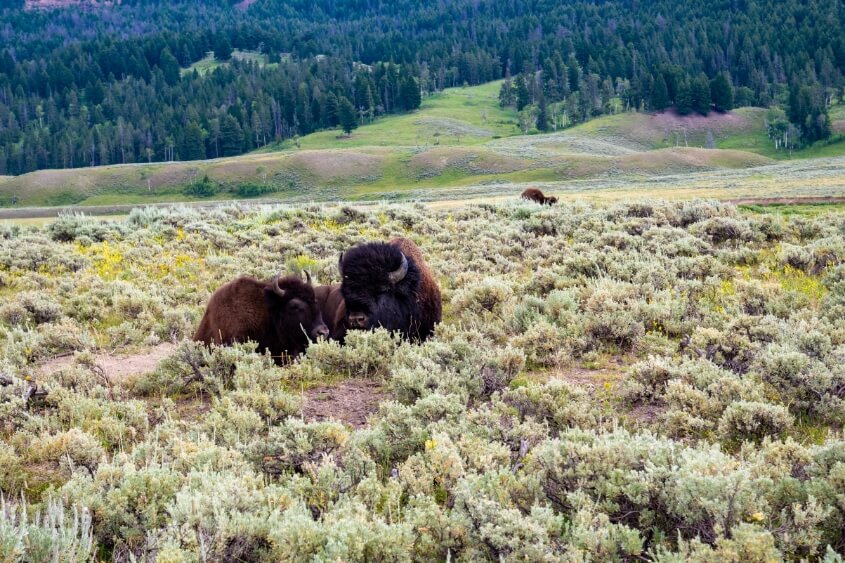
Bozeman and Yellowstone National Park offer one of the most inspiring settings for photography, with unparalleled opportunities to capture wildlife, dramatic landscapes, and the natural and cultural history of the region. From elk and bison to geysers, canyons, and changing light, the park provides an incredible environment for students to develop their skills as photographers and visual storytellers. This program is built on Putney’s years of experience in the region and the expertise of returning professional photographers who know the park deeply. Through this combination of place, mentorship, and hands-on learning, students experience Yellowstone in a way that goes far beyond a typical visit.
While our other Career programs feature an expert who works with students for a set period during the program, this photography workshop is built around sustained mentorship and instruction from a photography professional, the program expert, who joins for the full duration of the program.
This workshop program also features a larger leadership team than other Career programs, typically with three program leaders in addition to the Expert. This allows students to receive more individualized attention, work in smaller groups, rotate through different photography experiences, and benefit from multiple perspectives from educators and professionals. The result is a highly immersive photography workshop experience where students can elevate their photography, creative process, and storytelling skills.
No prior photography experience is required to participate in the Yellowstone Photo Workshop. Students of all skill levels are welcome, from those picking up a camera for the first time to those looking to further develop their technical and creative skills and build a portfolio to possibly apply to college. The most successful students come with curiosity, an open mind, and a willingness to experiment, learn from others, and participate in a supportive, collaborative environment.
Students leave the Yellowstone Photo Workshop with a stronger understanding of camera controls, photographic techniques, and the creative process behind making successful images. Through daily assignments, editing sessions, and critiques, students learn how to evaluate their own work, give and receive constructive feedback, and develop a more intentional approach to photography.
Beyond technical skills, students gain confidence in their creative vision and their ability to tell stories through a collection of images. By photographing one of the world’s most iconic landscapes and learning alongside professional photographers and peers, students develop new perspectives, creative independence, and a deeper appreciation for visual storytelling.