
Program Directed by
John Ralston
If you have questions or would like to talk further about this program, please get in touch!



Meet your fellow middle school student travelers and your program leaders In Winnipeg, Manitoba. Spend your first night getting to know your group before flying north to Churchill the following day. Begin your program with an in-depth group orientation and introduction to the Arctic environment, wildlife, and communities you’ll encounter during your time in the North. To learn more about how we organize travel, click here.
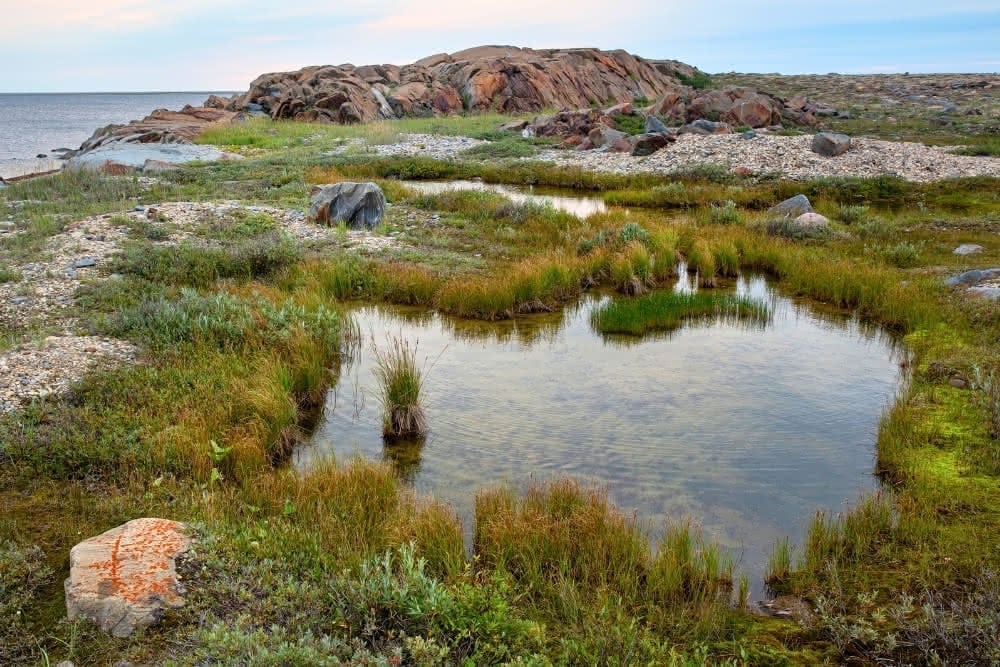
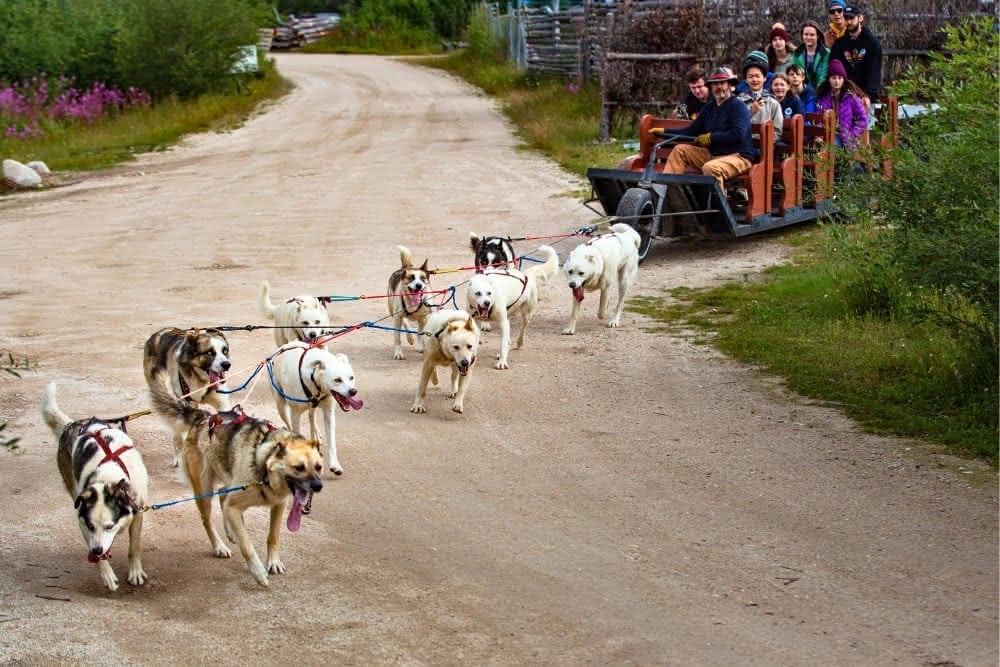
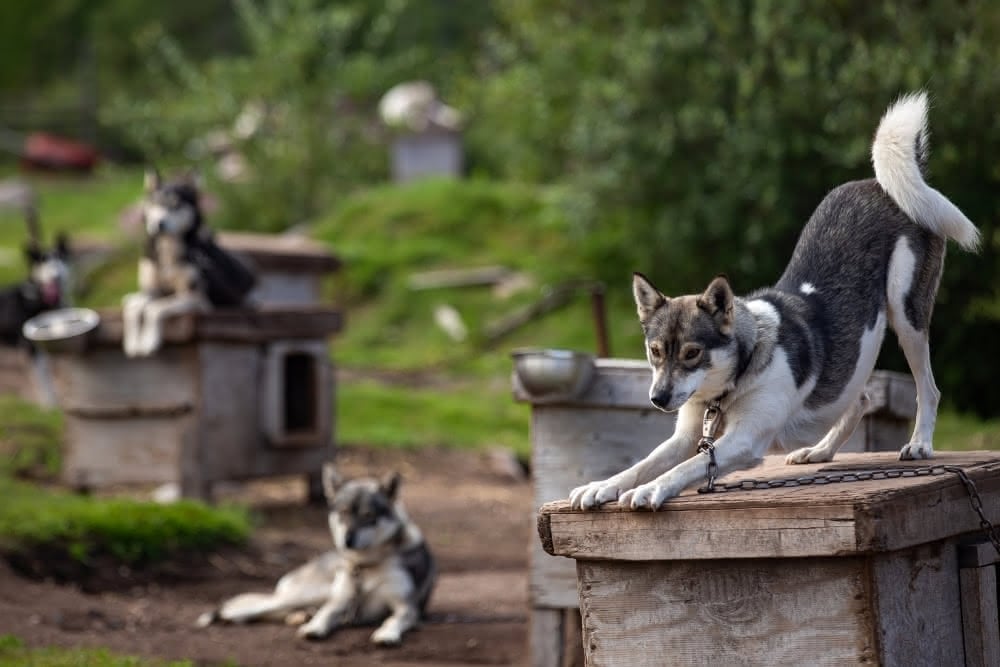
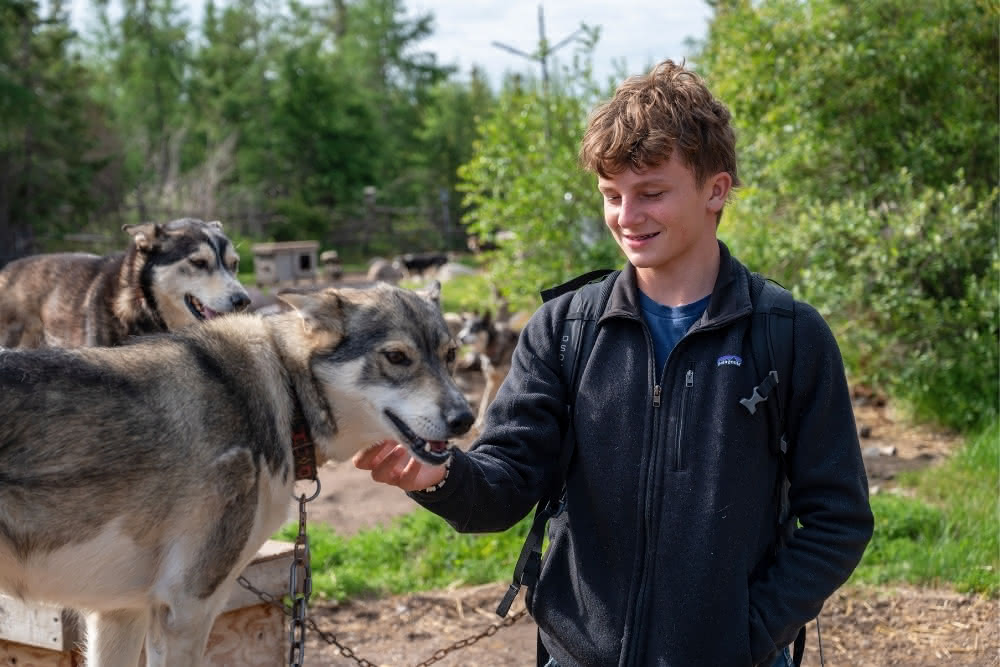
Begin your Arctic adventure in the remote town of Churchill, located on the shores of Hudson Bay. Get introduced to the local community and learn what everyday life is like in this northern town. Marvel at hundreds of Inuit artifacts at the Itsanitaq Museum, and meet with Indigenous elders to immerse yourself in the customs of the area. Learn from guides about traditional transportation, including the role of dog sledding in the North, and explore the shoreline of Hudson Bay while observing and photographing the landscape and wildlife around you. Learn about Arctic ecosystems and wildlife from polar bears and arctic foxes to seals and seabirds, and discover conservation efforts to understand and protect these species and their habitats.
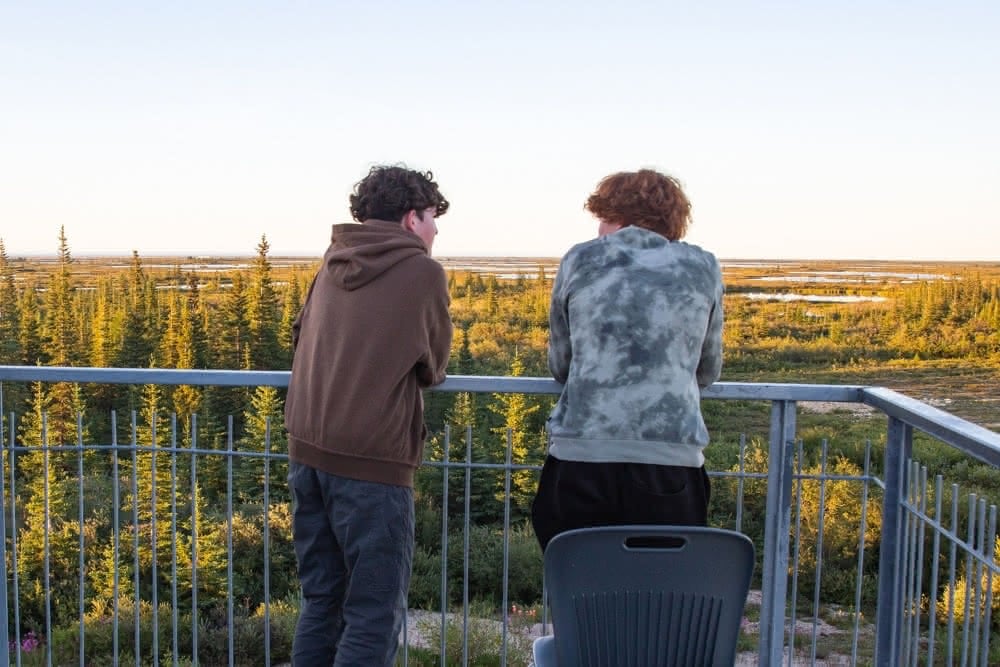
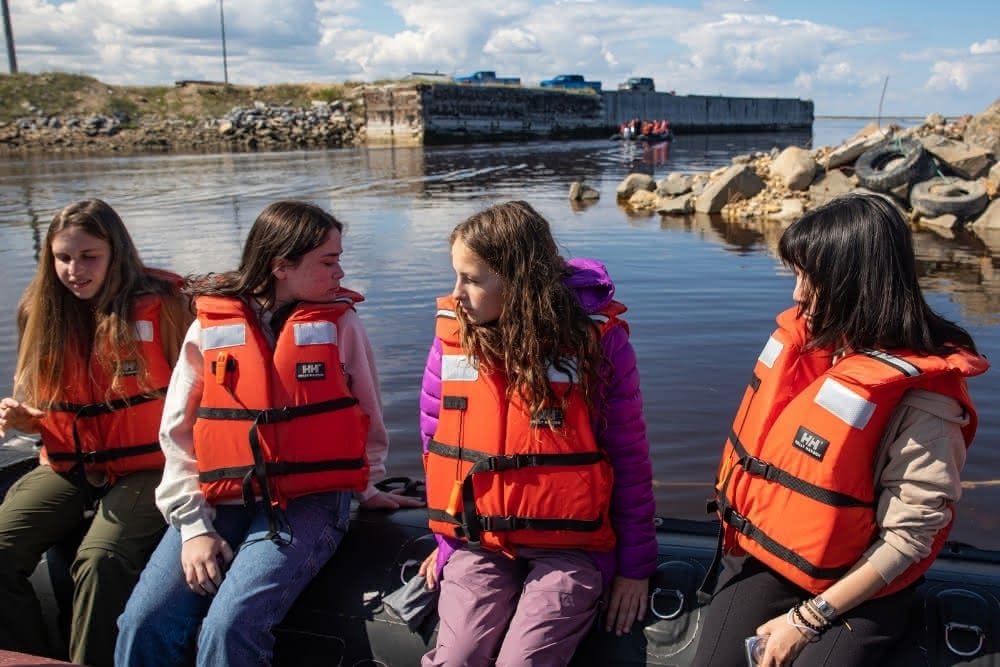
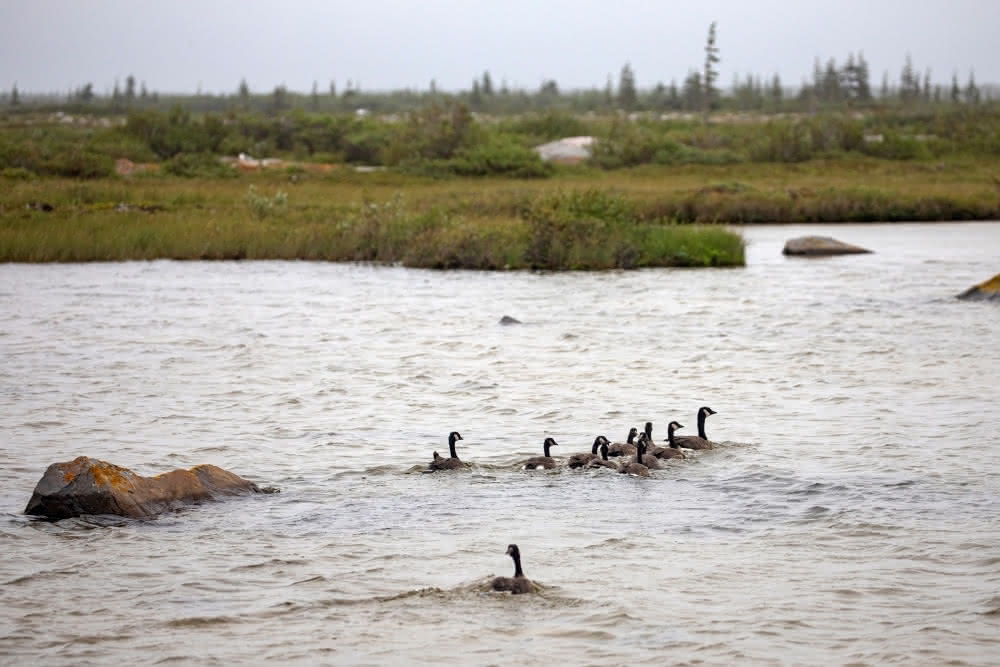
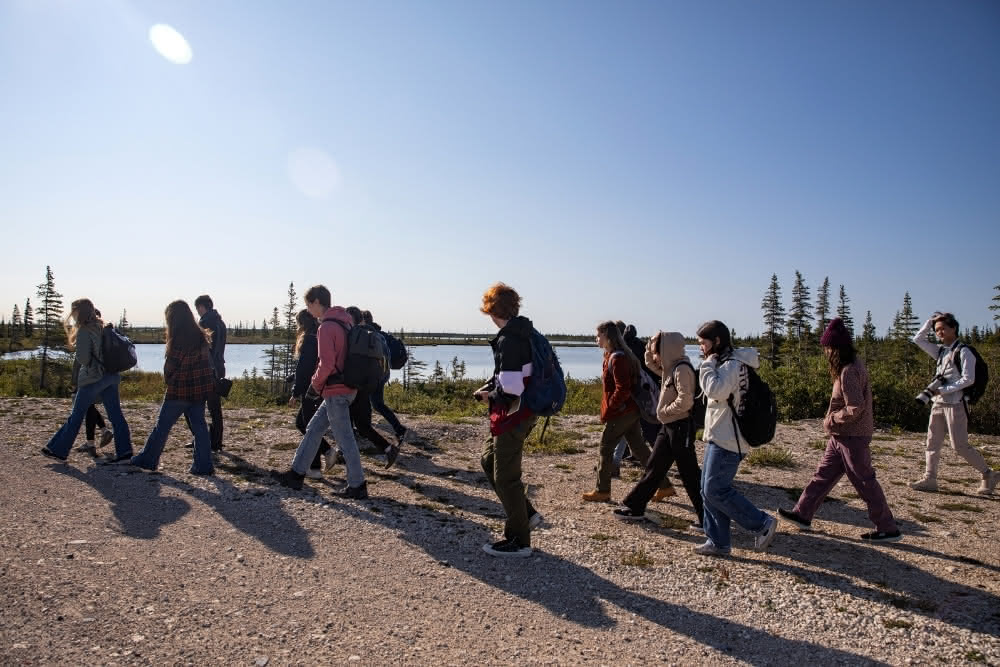
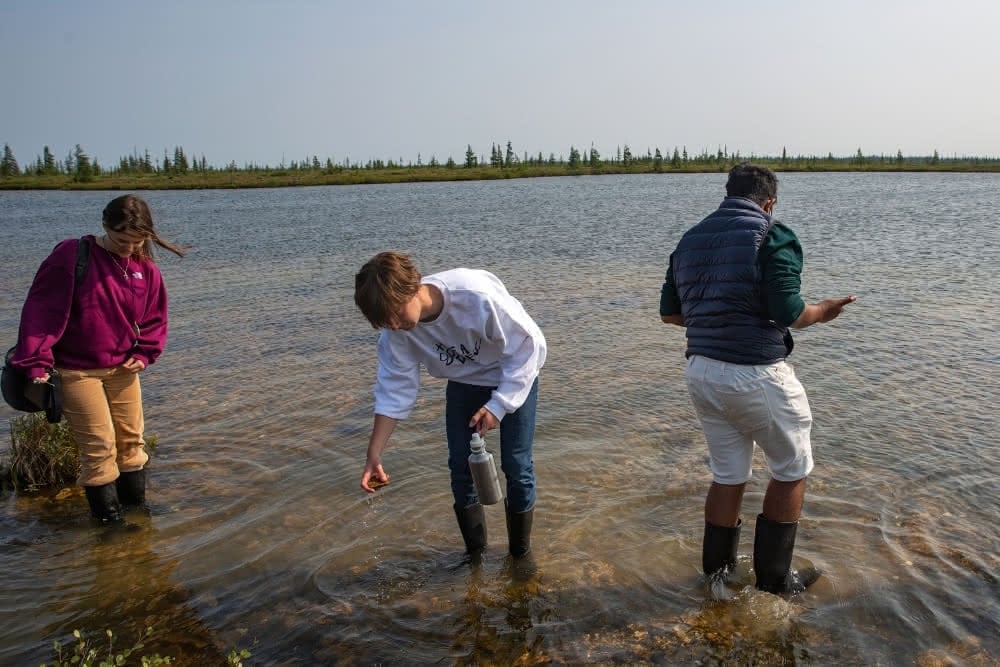
Spend a week exploring the Arctic through hands-on activities, outdoor adventures, and interactive learning. Kayak alongside beluga whales and learn about their communication and the marine ecosystem they depend on. Take a guided walk along the tidal flats to discover aquatic invertebrates and investigate the life found along the coast. Travel across the tundra to observe wildlife, identify native plants, and learn how species adapt to the Arctic environment.
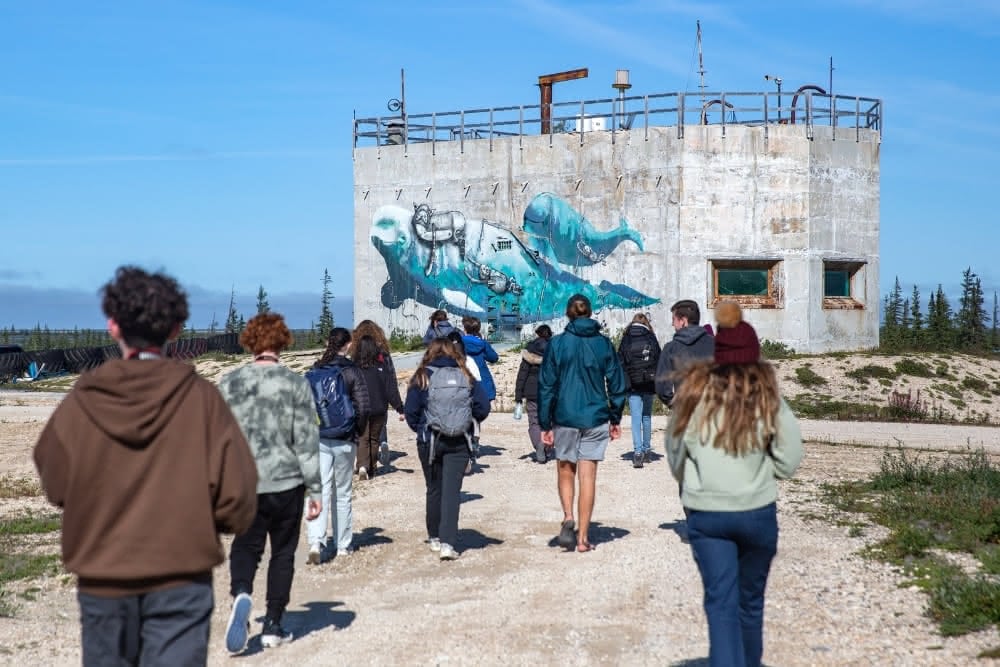
Explore the challenges of living in a remote northern community by learning about hydroponics and other approaches to growing fresh food. Build and launch model rockets at the historic Churchill Rocket Research Range, and hear from local guides about traditional trapping and how livelihoods in the region have changed. Throughout your time in the Arctic, document what you see through photographs or journaling, explore the night sky, and reflect on what you’ve learned.
Fly from Churchill to Winnipeg with your group and a leader, then spend one final night together before continuing on to your final destination.
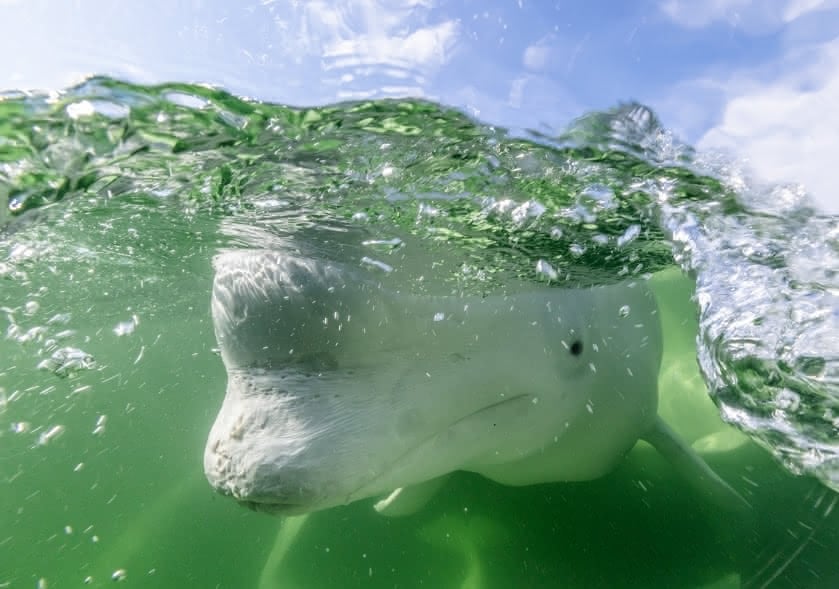
Our Exploration Canadian Arctic middle school program is an opportunity for young travelers to explore Arctic wildlife, ecosystems, landscapes, and communities through hands-on activities and outdoor adventures. Students discover the three ecosystems that converge in Churchill—tundra, boreal forest, and marine—while kayaking with beluga whales, exploring tidal zones, observing wildlife, and learning how plants and animals have adapted to life in the North. With experienced program leaders, Arctic researchers, and local contacts, students also learn about conservation, sustainability, Arctic research, and the culture of northern communities. For students who have an interest in photography, this program provides the opportunity to develop those skills. Students are encouraged to bring a camera.
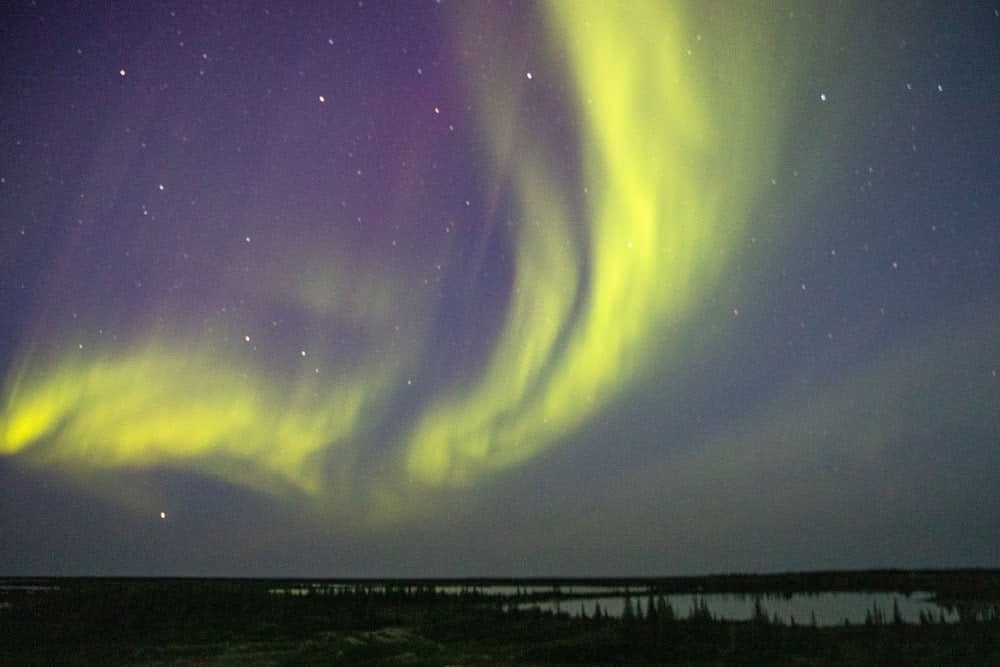
All students on Putney programs pursue an independent project as a way to more deeply engage with aspects of local culture that are of particular interest to them—in the Canadian Arctic, you might interview a park ranger about the First Nations history of Churchill and share their story as a post on the group blog; photograph the spiraling swirls of the Northern Lights and discuss your process; or collect specimens on a tidepooling walk and work with the Churchill Northern Studies Centre to learn about the health of the marine ecosystem.
To help students fully engage and immerse themselves in the Putney Student Travel experience, we do not allow use of cell phones or other internet-connected devices (including tablets, smart watches, laptops, etc.) on our middle school or high school travel programs. Students may have their cell phones during travel to and from the program. During the group’s in-country orientation, program leaders facilitate a call home, then collect and securely store all phones until departure day. Throughout the program, students have the opportunity for a weekly call home according to a pre-arranged schedule. For more details, please see our Approach to Technology.
This is an active middle school summer travel program that includes several excursions in a subarctic environment. To get the most out of the program, you should be enthusiastic about outdoor activities such as light hiking and kayaking. You do not need to have previous experience to participate, nor do you need to be at peak fitness to participate, but it is important that you have a desire to be physically active, and that you are excited about trying all activities.
In Churchill, the group stays in a warm and welcoming family-run hotel in the heart of town, where students can experience the character of this small community. During our time at the research station, we stay in dormitory-style accommodations, where scientists, researchers, and students from a range of disciplines come together to study the region. Leaders reside with students for the duration of the program.
Students can expect to eat meals at the research station or residence, and take packed lunches while out exploring the tundra or kayaking. On occasion, the group stops at local cafes for snacks and warm beverages.
Our Canadian Arctic program is a great fit for curious, adventurous middle school students (grades 6–8) who enjoy being outside and want to explore somewhere very different from home. Students should be interested in wildlife, nature, science, photography, or learning about how people live in a remote environment. Most importantly, students should be excited to try new things, ask questions, and take part in the group experience, all in a supportive environment designed for young travelers.
Churchill is a remarkable place to explore the Arctic because three very different ecosystems—marine, boreal forest, and tundra—meet in the surrounding region. This creates opportunities to encounter a wide range of wildlife and landscapes while learning how plants, animals, and people have adapted to life in the North.
Putney has offered summer programs in the Canadian Arctic for many years, and our long experience in Churchill and relationships with local experts and organizations help us create a program that goes beyond simply seeing wildlife. Our middle school students spend time in the field, learn from researchers and community members, develop their photography skills, and explore different perspectives on conservation and the Arctic environment. Our combination of hands-on learning, meaningful local connections, and small-group travel allows students to experience Churchill in a deeper and more personal way.
The Canadian Arctic middle school program offers a particularly immersive Exploration experience, with a strong focus on wildlife, nature, science, and outdoor discovery. Students spend much of their time outside, through activities such as kayaking, hiking, wildlife observation, and tidal exploration.
The program also offers a unique look at Arctic life and research. Students learn about conservation, sustainability, traditional livelihoods, and how people live in a remote northern community. Photography is woven throughout the experience as a way for students to observe and document the places they encounter.
No specific experience or skills are required for success on this program, aside from coming with an open mind, willingness to try new things, and participating positively in a supportive, small-group environment. Students do not need previous photography, kayaking, or outdoor experience.
Middle school students leave Putney’s Canadian Arctic program with a deeper understanding of Arctic wildlife, ecosystems, conservation, and life in a remote northern community. Through hands-on exploration, they practice observation, ask questions, make connections between different ecosystems, and learn how plants, animals, and people adapt to their environment.
Students also gain confidence, independence, and adaptability from traveling to an unfamiliar and remote place. They build friendships with their peers and connections with local guides and experts, while gaining new perspectives on the natural world and their own place within it.