
Program Directed by
Devon Swinburne
If you have questions or would like to talk further about this program, please get in touch!



Meet your fellow high school student travelers and one or more of your leaders in Miami, and fly together to Belize City, Belize. To learn more about how we organize travel, click here.
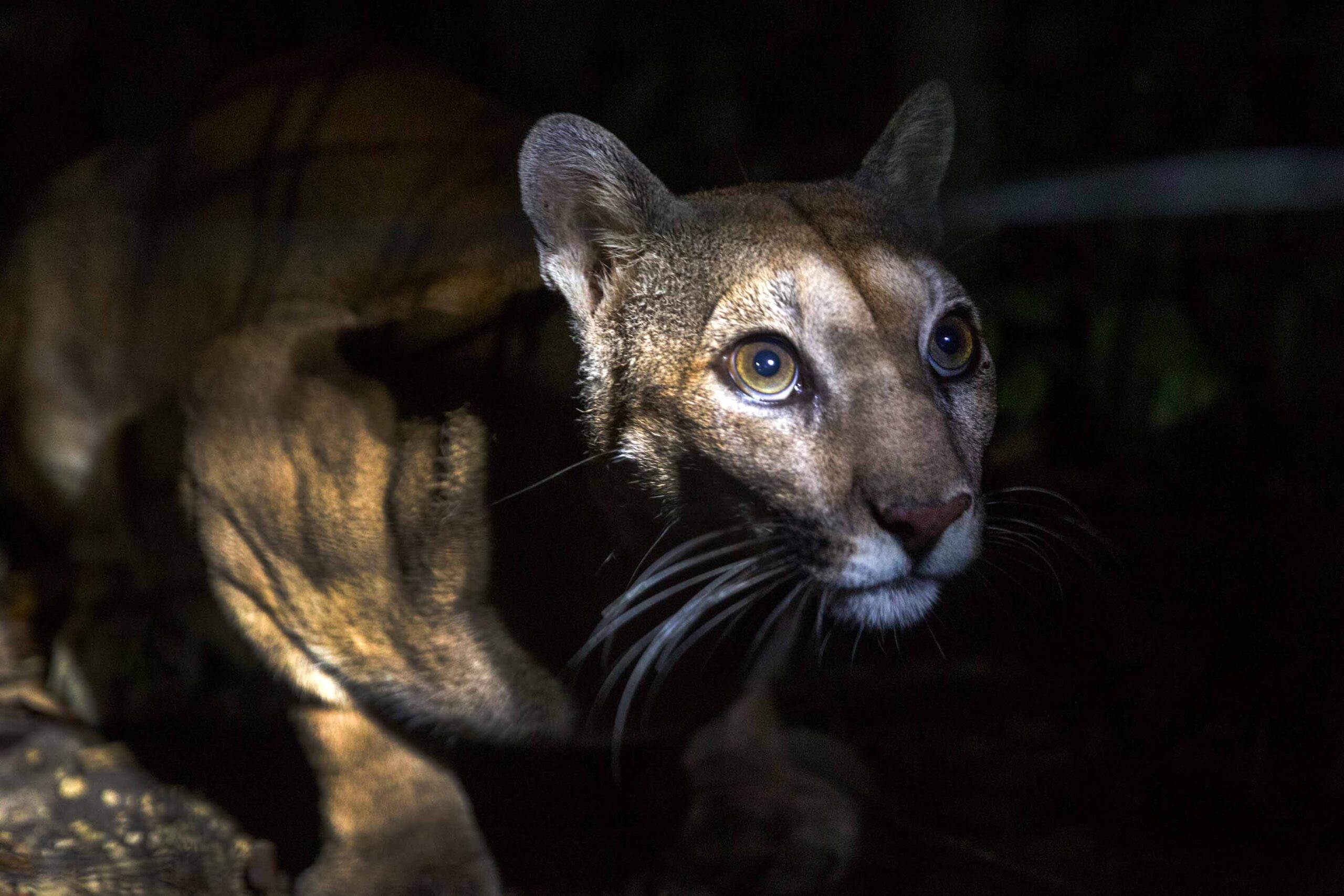
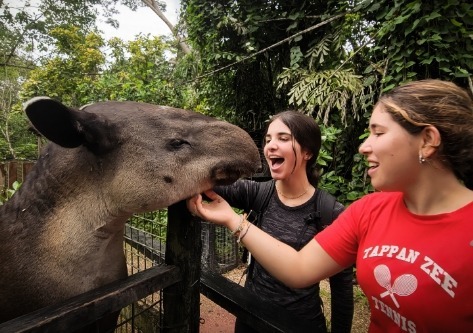
Get an inside look at The Belize Zoo, which was founded in 1983 as a way to provide a home for wild animals that were used to film Richard Foster’s documentary, Selva Verde. Located about 45 minutes from Belize City, the zoo is now home to over 200 native animals. It aims to bring the animals and people of Belize closer together to increase awareness of and appreciation for Belize’s wildlife and to promote the protection of the country’s natural resources. Each morning, work in small groups with the zoo staff to feed the animals, maintain their enclosures, and carry out research projects. In the afternoons, meet with zoologists, conservationists, and veterinarians. Ask questions about their professional training, their experience with various species, and their vision for wildlife conservation in Belize and beyond.
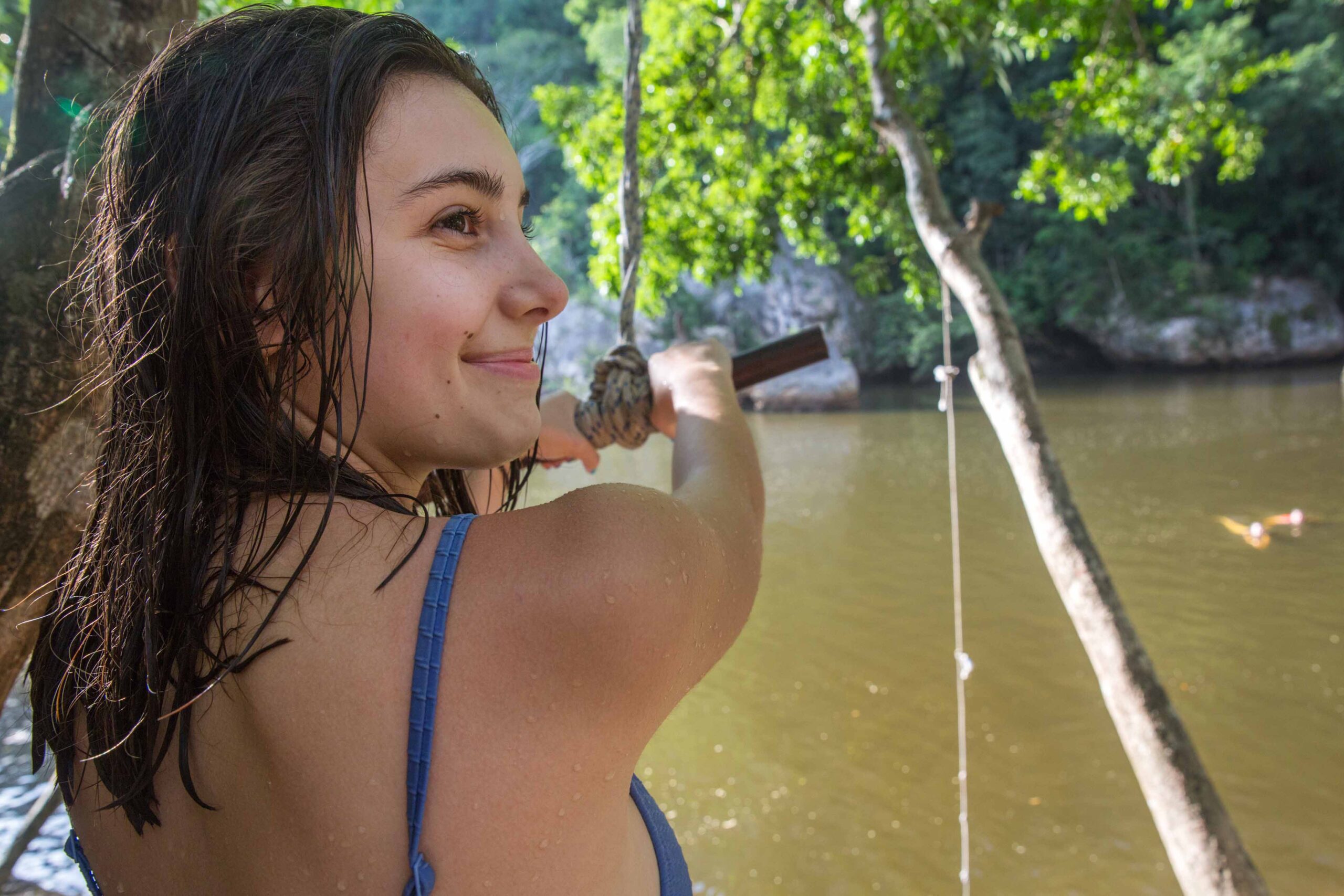
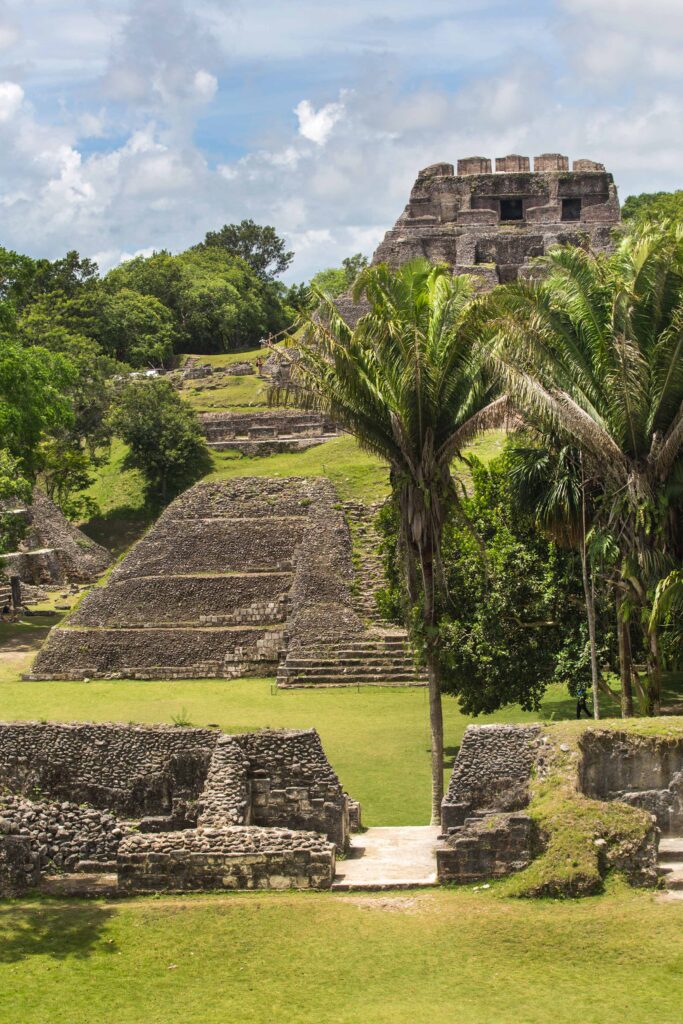
Travel to an ecolodge nestled in the dense rainforest of western Belize for further study of terrestrial species on the mainland. Enjoy swimming in the Macal River, exploring the rainforest, and visiting Maya ruins. Explore caves cut into the limestone rock and observe ceremonial artifacts left behind. Visit Xunantunich, an Ancient Maya city that is the second tallest building in the country. Climb the pyramids and explore the plazas of this famous archaeological site. Relax in the cool waters of Rio On Pools, a series of clear water pools made from rocks worn smooth by centuries of water polishing. Hike out to Rio Frio Cave, a beautiful limestone tunnel carved out by a river and see where the Maya held ceremonies. Scout for the famous scarlet macaws while hiking an incredible trail network in the Maya Mountains.
Travel to Monkey Bay Wildlife Sanctuary for more encounters with tropical wildlife and inspiration from the individuals working there. The sanctuary was founded by an American Peace Corps volunteer and a cattle rancher who decided that his land was better suited for a wildlife educational center than a cattle ranch. At Monkey Bay, learn about e-birding with professional conservationists and help build nests for parrots in the field. Then, visit nearby conservation groups and learn about local individuals’ efforts to rescue, rehabilitate, and protect endangered and threatened species. Meet your conservation expert, who will join you here before heading to the ocean.
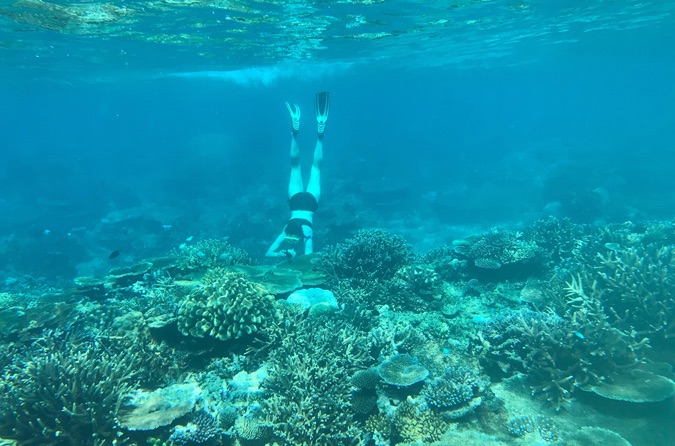
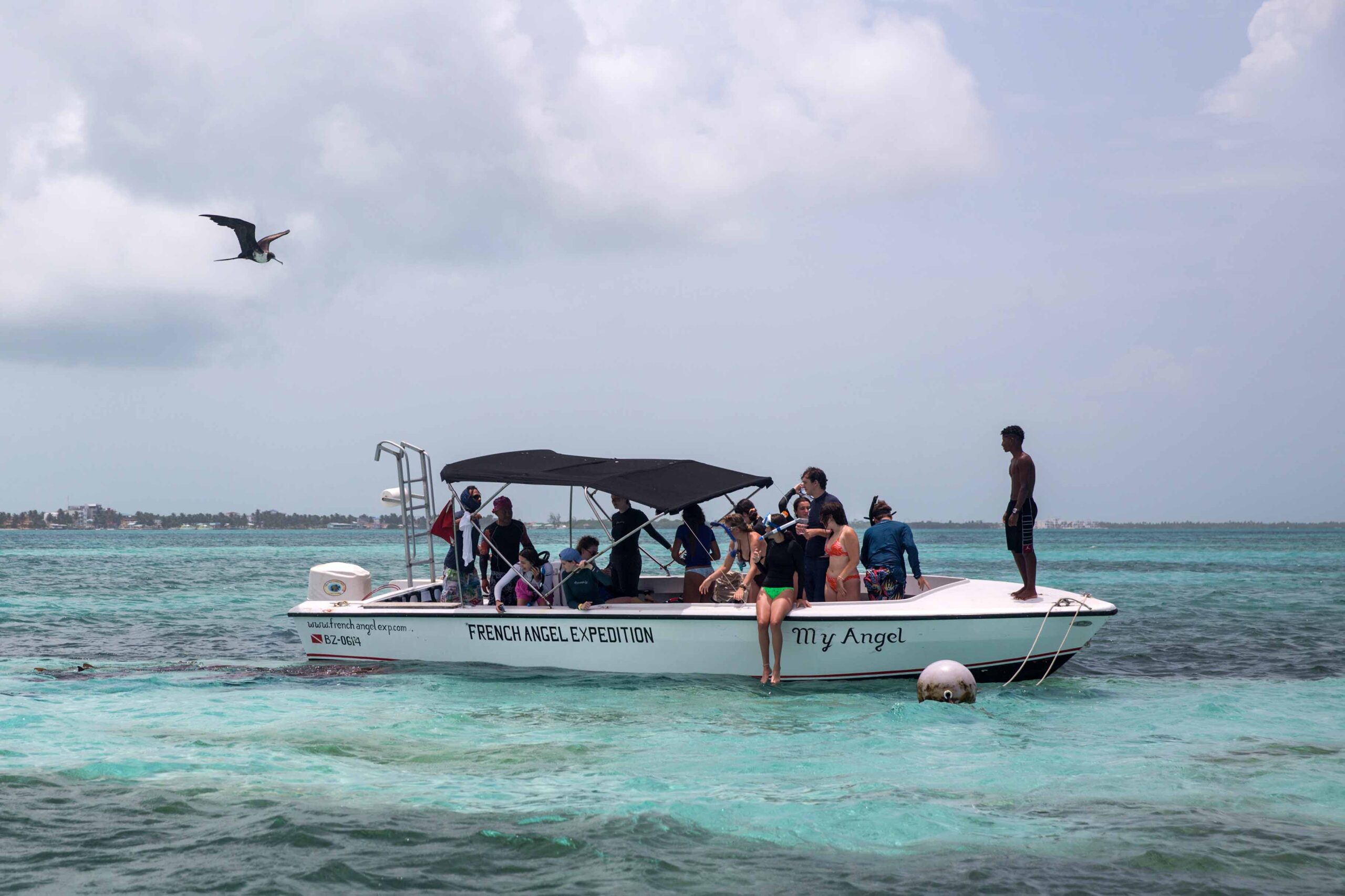
Transition from the jungle to the sea at Calabash Caye Field Station. Wake up in front of the ocean at Belize’s first nationally owned and managed marine research facility. Spend three days exploring the atolls and the major cayes, lagoons, and fringe reef. During the day, snorkel along the reef and learn about invasive species while observing sea turtles, rays, and scores of colorful fish. At night, look for octopus, squid, and other bioluminescent creatures. Learn from your expert as he shares his knowledge on all things marine life and dive into Q & A discussions. Enjoy guest lectures on sustainability from the Turneffe Atoll for Sustainability Association.
Take a water taxi from the mainland to Caye Caulker, a tiny island located along the barrier reef. At five miles long, Caye Caulker has three roads, and the only vehicles here are bicycles and golf carts! Strap on your snorkel and compare sea grass, mangrove, and coral reef habitats alongside certified guides. Learn about the development of marine-protected areas, examine the role of ecotourism and local conservation efforts in reef preservation. Enjoy the last couple of days of your program while you kayak through the mangroves in search of tiny seahorses, bike around the sandy streets, and play a game of soccer on the local field. Celebrate with your group at a final dinner, reflect on what you learned about Belize’s biodiversity, share your independent project, and celebrate your adventures with new friends.
Fly from Belize City to Miami with your group and a leader, then continue on to your final destination. To learn more about how we organize travel, click here.
The focus of our Career Belize program is learning about the ecology, marine biology, and wildlife of Belize through a conservation lens. Students also experience Belize’s culture by forming meaningful relationships with local people and undertaking a shared educational experience together. During your time in Belize, you will interact with veterinarians, zookeepers, marine biologists, naturalists, and conservationists as you explore Belize’s jungle and barrier reef. This program provides students with opportunities to work alongside individuals who have dedicated their lives to the protection and preservation of Belize’s terrestrial and marine species. Hands-on experiences, such as volunteering at The Belize Zoo and reef observation at Calabash Caye enable students to learn more about potential career paths in zoology, veterinary science, and marine biology. You should come to the summer with an open-mind, eager to participate in new experiences and interested in exploring another culture and way of life.
Students on our Career Belize program can expect to complete 15–20 service hours and will receive a digital service certificate after the program that confirms their participation. The certificate will specify the exact number of hours completed, based on our host community’s identified projects for the group.
Belize was a British colony from 1862 to 1981, and English is the country’s official language. Other languages spoken include Kriol (Belizean Creole), Garifuna, Spanish, and Mayan languages. Proficiency in Spanish is not required. However, if you study Spanish in school you will have opportunities to practice while communicating with local people.
All students on Putney programs pursue an independent project as a way to more deeply engage with aspects of the program theme or local culture that are of particular interest to them. Become an expert on the endangered jaguar, interview a local veterinarian about animal rescue and rehabilitation, or create an album documenting all of the tropical species you encountered in Belize.
To help students fully engage and immerse themselves in the Putney Student Travel experience, we do not allow use of cell phones or other internet-connected devices (including tablets, smart watches, laptops, etc.) on our middle school or high school travel programs. Students may have their cell phones during travel to and from the program. During the group’s in-country orientation, program leaders facilitate a call home, then collect and securely store all phones until departure day. Throughout the program, students have the opportunity for a weekly call home according to a pre-arranged schedule. For more details, please see our Approach to Technology.
This is a physically active summer travel program. You can expect to walk, snorkel, hike, and kayak. You do not need to be at peak fitness to participate, but it is important that you have a desire to be physically active, and that you are excited about trying all activities.
At the Tropical Education Center and The Belize Zoo, we stay in shared dormitory-style rooms. Along the Macal River, we stay in shared cabañas at another ecolodge. At Monkey Bay, we stay in mountain-view cabins. Calabash Caye hosts us in two large multi-room cabins. On Caye Caulker, we stay in waterfront rooms at a small, family-run hotel. Leaders reside with students for the duration of the program.
Food in Belize is delicious! Belizean cuisine is hearty fare with rice, beans, and a delicious array of tropical fruits, such as papaya, mango, and pineapple, at almost every meal. A typical lunch consists of rice and beans, fish or chicken, vegetables, cheese, tortillas, and fruit.
Our Career Belize program is designed for students who are seeking a Career-focused and adventurous program with varied outdoor activities. This program is a good fit for students interested in conservation and environmental science and prefer hands-on experiences or outdoor learning. If a student is curious, adaptable, and excited about the natural world—and open to a program that blends animal and environmental science, culture, and research—Belize is a great fit!
First, the setting itself is hard to match for students interested in marine biology, zoology, and conservation. Belize is home to the world’s second-largest barrier reef, dense tropical rainforests, and a rich blend of Maya, Garifuna, Creole, and Mestizo cultures. Students can snorkel coral reefs in the morning, hike through jungle reserves in the afternoon, and share in environmental and educational conversations with local guides in the evening.
Belize is an exceptional classroom for experiential learning. The country’s unique combination of ecosystems, cultures, and accessibility allows the program themes—environmental conservation, marine science, and cultural exchange—to come to life in ways that are immediate and meaningful.
Putney has longstanding and trusted relationships with our contacts and local organizations in Belize, developed over the past 18 years.These relationships have opened doors to experiences that go beyond surface-level tourism, whether it’s working alongside marine biologists, participating in community-led sustainability projects, or having candid conversations with local researchers about development and conservation.
Belize is a field-based program, thoughtfully designed for students to actively engage with marine biology, conservation, and community development. While working with researchers and scientists, they’re collecting data on reefs, learning directly in the ecosystem, and seeing how this environmental work impacts the lives of local people. A day might combine tropical pine savana ecology, barrier reef marine biology, and cultural studies.
Students spend meaningful time in a few select locations, often returning to the same reef, research site, or location. This intentional pace and repetition builds confidence, skill, and a clearer sense of impact. Snorkeling, hiking, fieldwork each day—our Belize program is truly a hands-on immersion in wildlife, conservation, and Belize’s culture.
Students don’t need any prior experience or specific skills to join our Belize program. The program is intentionally designed to be accessible to beginners seeking an introduction to marine biology, zoology, and conservation. What does matter is mindset. The most successful students arrive with:
Leaders and local experts teach all the necessary skills along the way, so students build confidence as they go. In other words, you don’t need a background in science—you just need to be open, engaged, and excited to learn about all things environmental in Belize!
Students leave the program with both real-world skills and meaningful personal growth, shaped by the immersive, hands-on approach of the program.
In Belize, Putney students gain practical experience in field research, ecology, and conservation, while seeing how environmental issues connect to local communities. Students get insider experiences studying and working alongside researchers in their fields of interest. It is a great way to see what life would be like as a zoologist, researcher, scientist, marine biologist, park ranger, and more. These unique experiences, exposure, and hands-on immersion often help clarify a student's academic interests or future career direction.
Just as important are the soft skills that students gain: increased confidence, independence, adaptability, and strong communication. Living and learning in a small group also builds close friendships and a broader global perspective. Overall, students come away more self-assured, curious, and with a clearer sense of what they might want to pursue.