

Program Directed by
Ed Thanhouser
If you have questions or would like to talk further about this program, please get in touch!


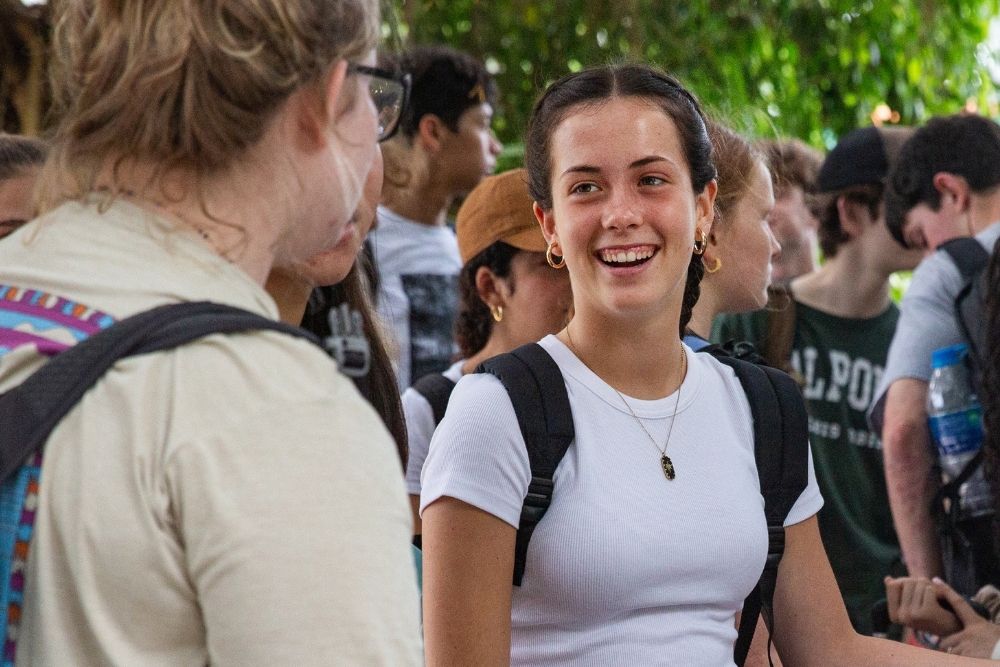

Meet your fellow high school student travelers and one or more of your program leaders in Los Angeles, and fly together to Seoul, South Korea. To learn more about how we organize travel, click here.
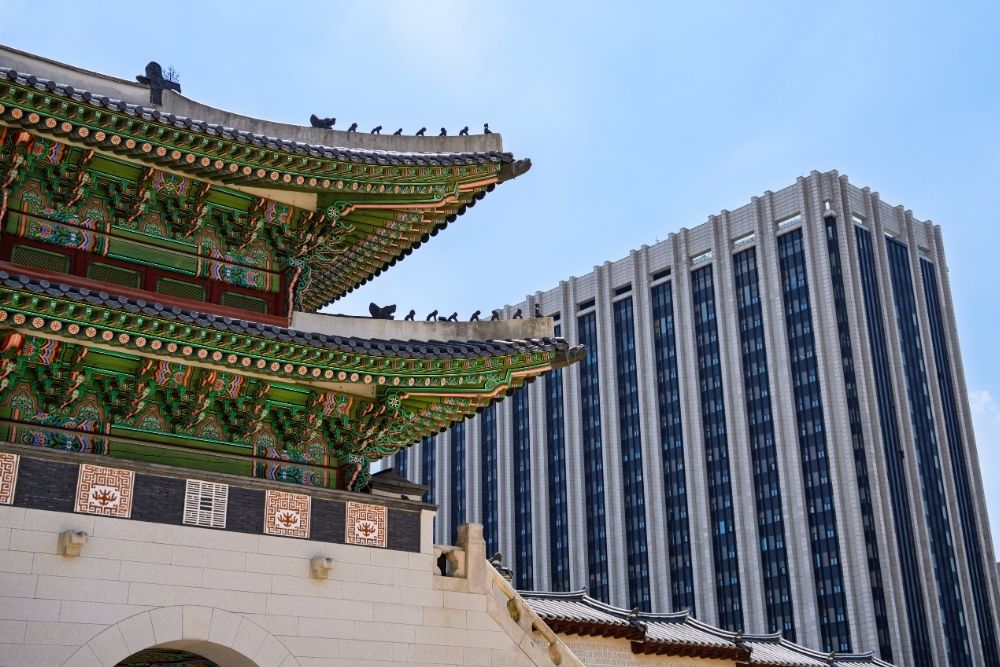
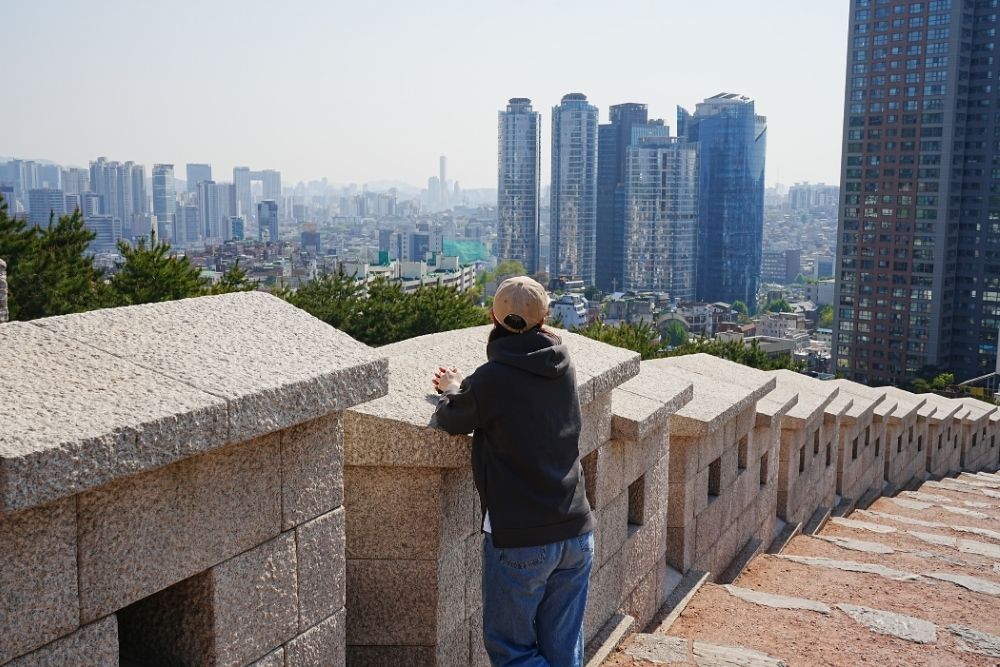
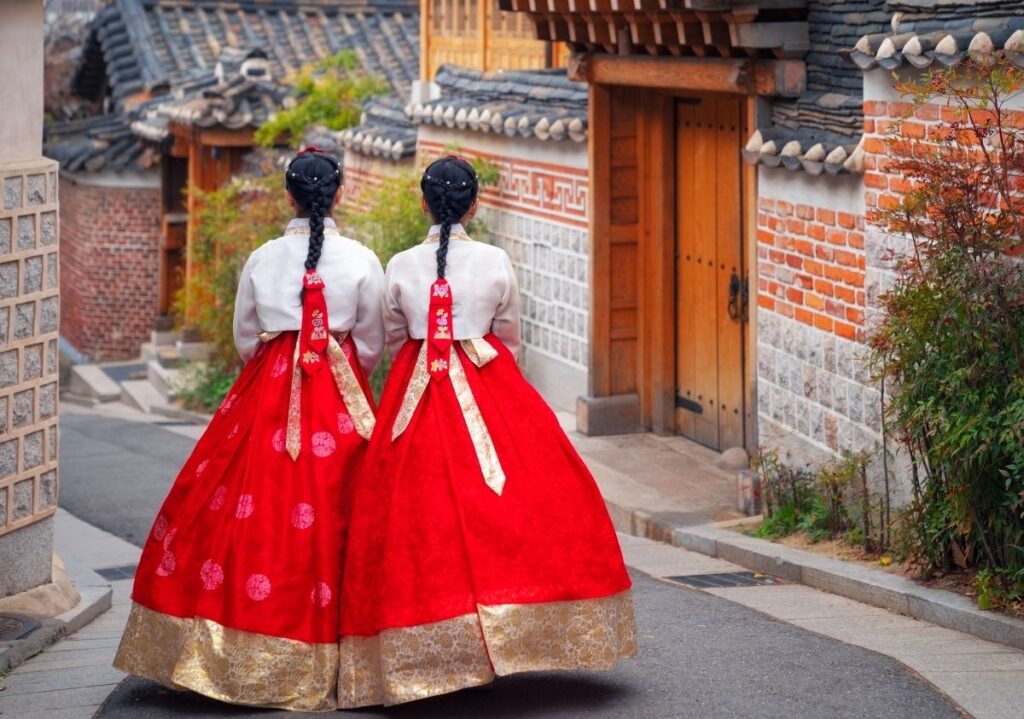
Begin your journey in Seoul, South Korea’s dynamic capital, where centuries-old traditions meet cutting-edge contemporary culture. Get to know your group during an orientation and program overview, then dive into Korean history and culture at the National Folk Museum, where the country’s vibrant history is brought to life. Wander the narrow lanes of Bukchon Hanok Village, home to beautifully preserved traditional houses, and gather around the table for a Korean barbecue feast. Venture beyond the city on a guided visit to the Demilitarized Zone (DMZ) to learn about the division of the Korean Peninsula and the complex history that shapes North and South Korea today.
Step away from bustling city life and immerse yourself in the peaceful rhythms of a Korean Buddhist temple. Practice traditional meditation and learn about the role of Buddhism in Korean culture, gaining insight into the ways the spiritual practice shapes daily life and community. Participate in a Seonmudo workshop, exploring a traditional practice that combines meditation, breathing, and martial arts. Spend your day taking part in daily routine, rituals, and practices that offer a glimpse into a way of life rooted in mindfulness, discipline, and reflection.
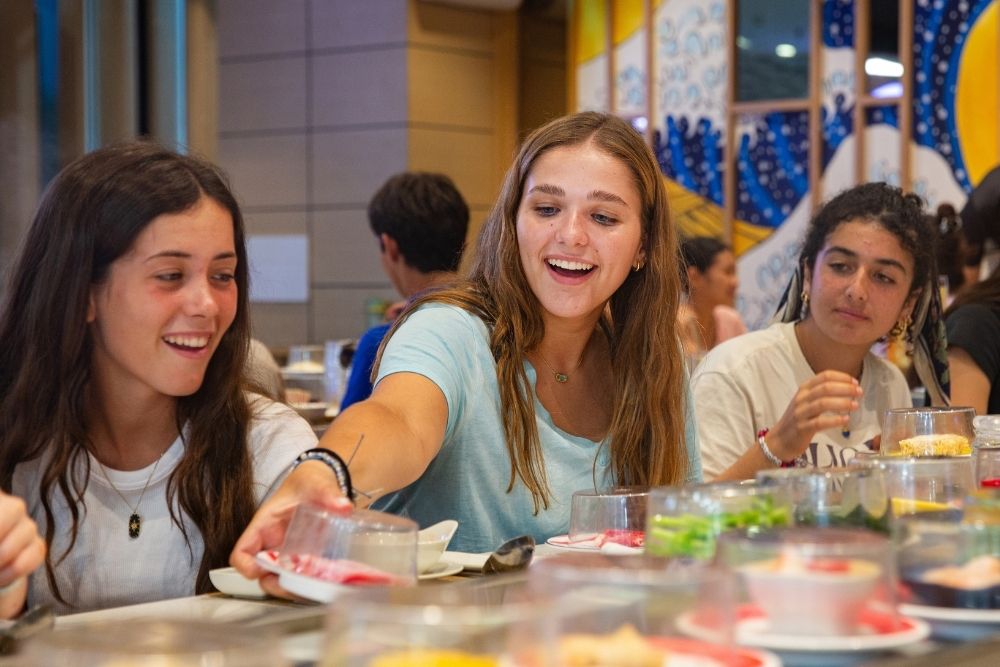
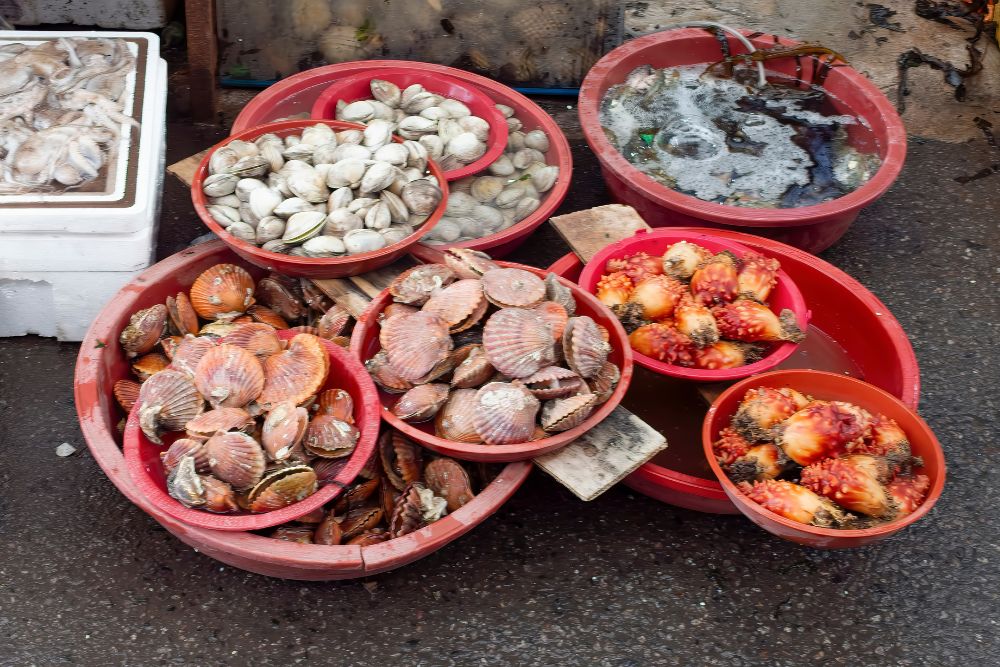
Head toward the southern coast and catch some waves during a surfing lesson at Seojeong Beach. Visit the modern Gwangagdaegyo Bridge and take in its impressive architecture before enjoying a scenic hike along the Busan Green Railway Trail. Explore Gamcheon Culture Village and learn traditional mask-making techniques from local artisans. See the spectacular city views from Busan tower, then enjoy fresh street foods as you explore Jagalgi, Nampodong, and Gwangbokdong markets.
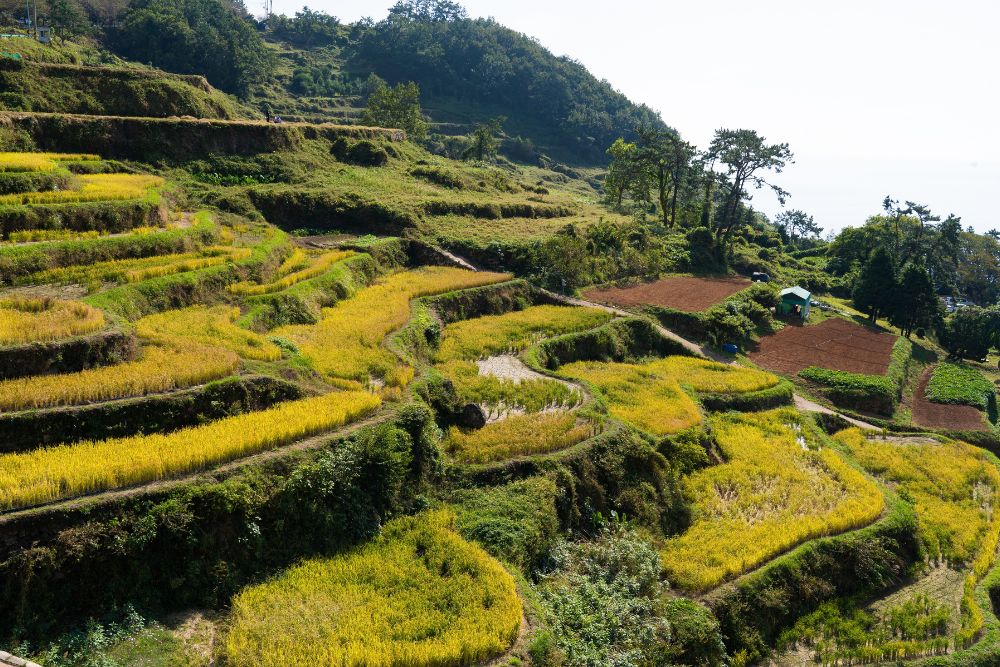
From Busan, travel west to the island county of Namhae, referred to as the "Treasure Island" of Korea, to immerse yourself in a seaside community and experience life away from the big city. Swap stories, play games, and enjoy meals with new friends on a high-school cultural exchange program with local students. Explore agricultural practices as you visit local sheep farms and traverse the terraced rice paddies that overlook the water. Enjoy the scenic coastline on a guided horseback ride, then explore the creative energy of the Dolchanggo art district. Roam renovated warehouses and grain storehouses that have become the maker-space for many local potters, artisans and galleries.
Return to Seoul to round out your adventures and celebrate the final days of the program. Share a picnic dinner along the Han River and learn to play traditional Korean board games, then head outside the city for an action-packed day at one of Gapyeong’s floating water parks. Get moving at a taekwondo workshop and learn the fundamentals of Korea’s best-known martial art, putting your new skills into practice. Explore the cafes and shops in the neighborhoods of Ikseon-dong and Seosulla-gil, and try street food at the historic Namdaemun market, Korea's oldest and largest with 600 years of history. Celebrate the final night of your program with a view from the Lotte World Tower and dinner in the heart of the city.
Fly from Seoul to Los Angeles with your group and a leader, then continue on to your final destination. To learn more about how we organize travel, click here.
Putney’s South Korea high school program centers on cultural immersion, exploring and experiencing the history, spirituality, tradition, and contemporary life in South Korea. Through hands-on workshops, cultural experiences, and outdoor exploration, high school students examine the evolution of Korean identity and traditions and how they have translated into modern South Korean culture. By meeting local people, learning traditional crafts and cultural practices, and sampling authentic cuisine, students gain a deeper understanding of the people, ideas, and landscapes that shape the country.
Proficiency in Korean is not required to join this program. However, if you speak or study Korean in school you will have opportunities to practice while communicating with local people. If you don’t speak Korean you will have the opportunity to learn some basic language skills.
All students on Putney programs pursue an independent project as a way to more deeply engage with aspects of local culture that are of particular interest to them—in South Korea, you might research Korean shamanism and share your findings, create a book of recipes featuring local ingredients, or learn K-Pop choreography and teach your groupmates.
To help students fully engage and immerse themselves in the Putney Student Travel experience, we do not allow use of cell phones or other internet-connected devices (including tablets, smart watches, laptops, etc.) on our middle school or high school travel programs. Students may have their cell phones during travel to and from the program. During the group’s in-country orientation, program leaders facilitate a call home, then collect and securely store all phones until departure day. Throughout the program, students have the opportunity for a weekly call home according to a pre-arranged schedule. For more details, please see our Approach to Technology.
This is a physically active high school summer travel program. Students can expect to hike and do plenty of city walking. You do not need to be at peak fitness to participate, but it is important that you have a desire to be physically active, and that you are excited about trying all activities.
No, this program does not visit high altitudes. Each portion of the itinerary is at or near sea level.
The group stays in comfortable, western-style hotel accommodations for each portion of the itinerary. During our one-night temple stay, we sleep in simple rooms with floor mats or simple beds. Leaders reside with students for the duration of the program.
The group takes the majority of meals at restaurants and local eateries, with the occasional opportunity to try cooking some traditional foods with the guidance of chefs. Students have the opportunity to try a variety of meals, from street food stalls to traditional Korean barbeque. Korean cuisine is famous for its fermented cabbage—kimchi—which is served at almost every meal.
Our Exploration South Korea program is a good fit for curious and adventurous high school students (grades 9–12) who love to explore and experience new cultures. Students interested in South Korean history, culture, cuisine, and of course K-Pop culture, have ample opportunity to explore the country’s rich history, heritage, and modern life. This program provides an opportunity to explore both rural and urban South Korean life, making for a well-rounded introduction to the country.
South Korea offers students the unique opportunity to explore the connections between history, culture, innovation, and foreign affairs. Throughout the program, students experience these themes firsthand through cultural practices, local cuisine, exchanges with local high school students, and visits to historical sites that detail the country’s past and present—from spiritual traditions and cultural heritage to international relations and the development of modern technologies. Putney’s Exploration South Korea program is designed to take students beyond the tourist experience, offering the opportunity to gain a better understanding of South Korea’s rich history, everyday life, and cultural influence around the world.
Our Exploration South Korea program offers an exciting balance of adventure and historical exploration, making it an engaging choice for students interested in exploring a culture that is distinct, with global influence. While the cultural differences in South Korea are stark when compared to European and Western destinations, its modern cities, convenient transportation, and welcoming environment make it highly accessible and a rewarding place to explore.
No, students do not need any specific skills or experience to join our Exploration South Korea program. What does matter is mindset. An open mind, willingness to try new things, and positive participation in a supportive small-group environment are the most important ingredients for success.
Students return from our South Korea program with a deeper understanding of Korean culture, greater confidence as young travelers, and an expanded global perspective. Through cultural immersion and exchange, hands-on activities, and time spent navigating new places, Putney students are encouraged to step out of their comfort zones, and challenge their world views. Students come away from this experience with a community of new friends, more curiosity about the world around them, and a greater sense of confidence and independence.