Program Directed by
Devon Swinburne
If you have questions or would like to talk further about this program, please get in touch!



Meet your fellow high school student travelers and one or more of your leaders in New York (for the June 28 departure) or Washington, D.C. (for the July 9 departure), and fly together to Arusha, Tanzania. To learn more about how we organize travel, click here.
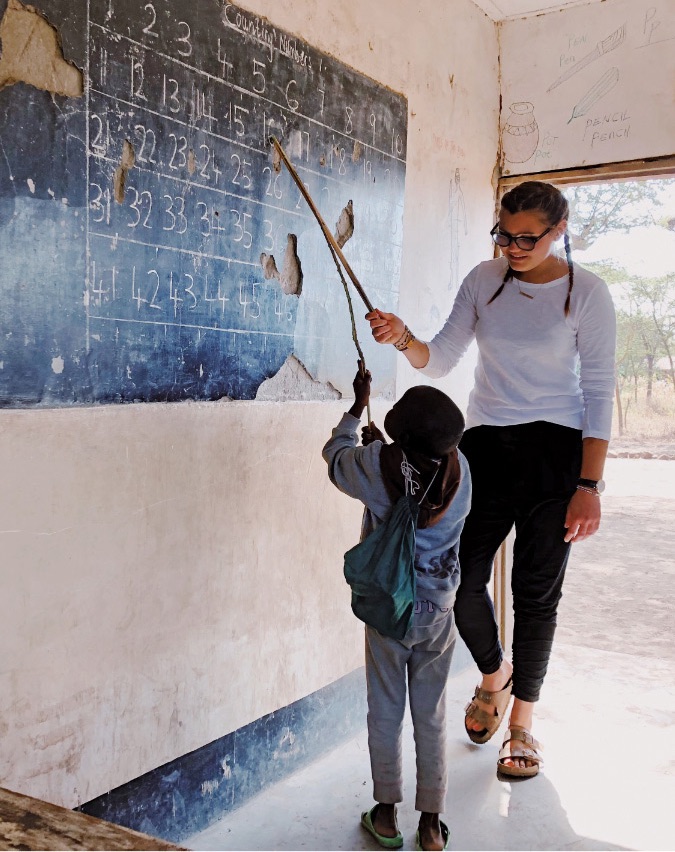
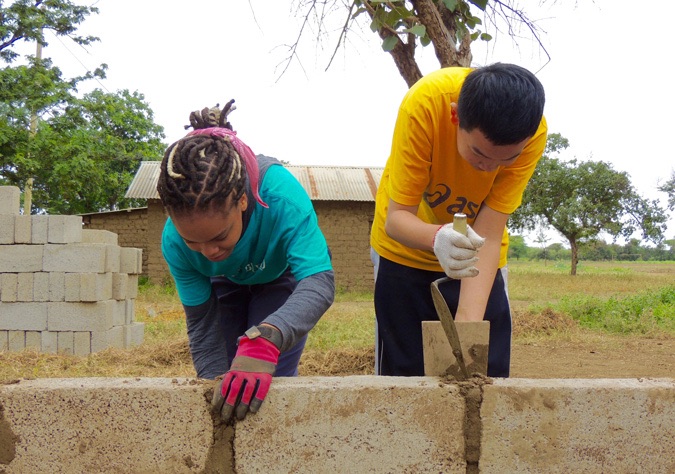
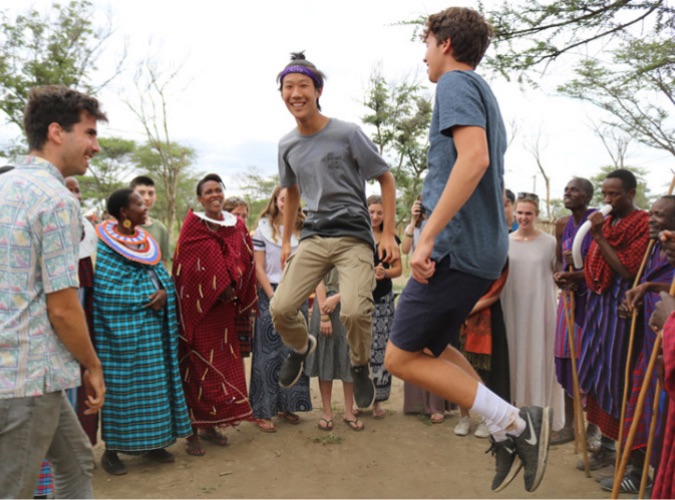
Collaborate with local people and undertake several meaningful community service projects in our host village on the lower slope of Mt. Meru, near Tanzania’s northeastern hub of Arusha. Rise early and dive into small groups on the service project sites. You may build a classroom, school kitchen, or simple housing for teachers; teach math or English to local children; improve the village water supply system; or work on local farms planting and harvesting crops. Late afternoons are devoted to group activities with our Tanzanian friends: play soccer, go for a hike, take Swahili lessons, attend a workshop to learn batik artwork or beading, or work on your independent project.
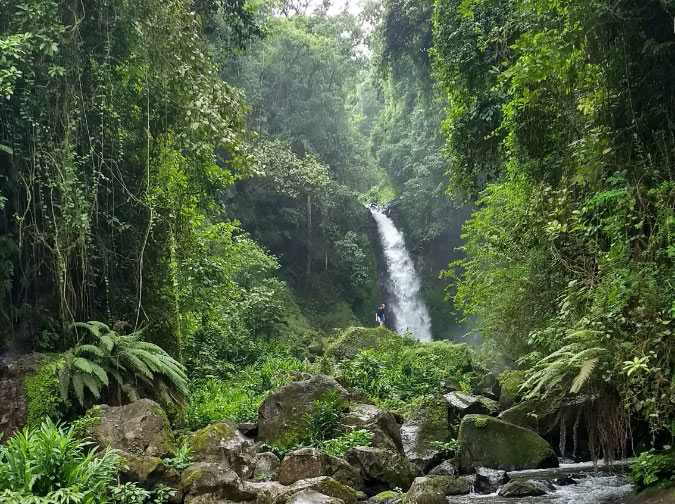
Stay at a mountain lodge at the foot of Mt. Kilimanjaro. Learn about the people, cultures, and history of the Kilimanjaro region, and explore the area’s waterfalls and dramatic rain-forested landscape.
Return to your host village and continue work on service projects. Further explore the local area on visits to nearby markets, coffee farms, or an ecotourism project site. In your final days, join your new Tanzanian friends in a farewell celebration of stories, songs, dance, and final lasting memories.
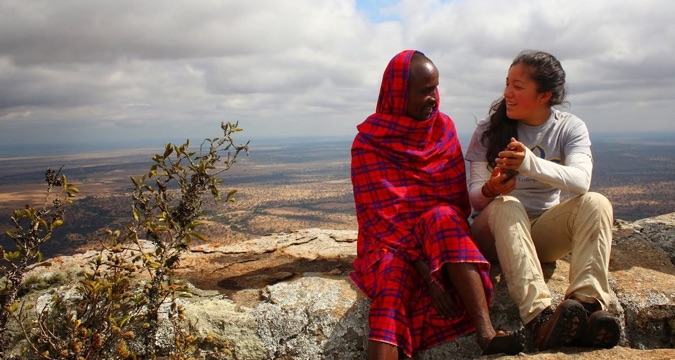
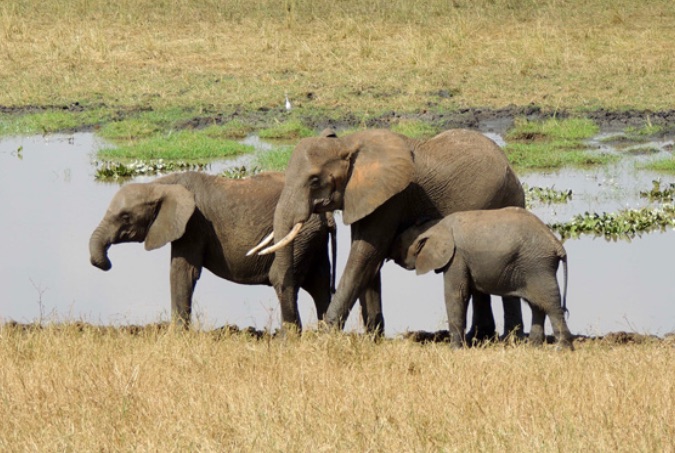
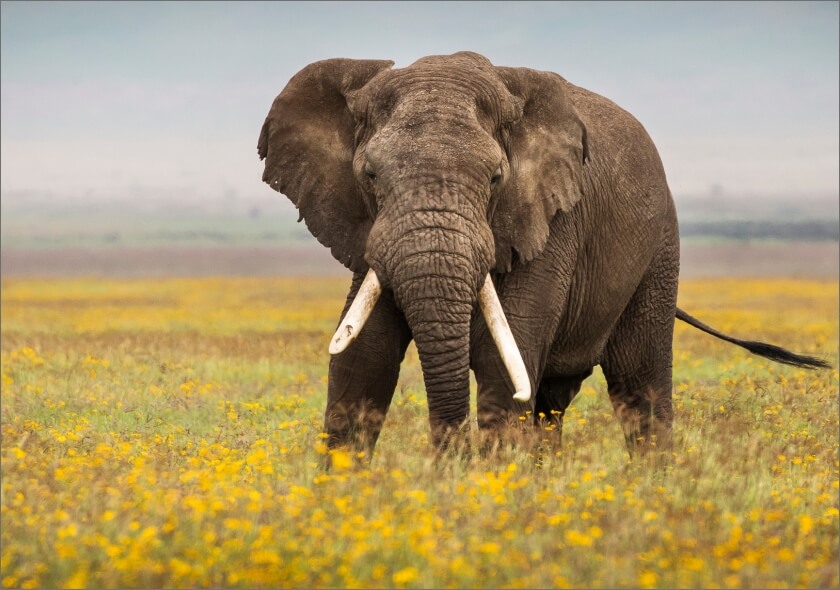
Head out on a safari organized by Putney’s local contacts, who will introduce you to Tanzania’s fascinating tribal culture, wildlife, and history. Begin at Randilen, a community-owned wildlife management area on the outskirts of Tarangire National Park that is protected by the Maasai for the benefit of both people and wildlife. Camp on these traditional hunting lands as guests of the Maasai and, along with our professional safari guides, explore Randilen’s baobab woodlands on foot. In the world-renowned Tarangire National Park, view Tanzania’s iconic big game animals up close from the safety of your safari vehicle. Explore the park’s plains, acacia forests, swamps, and the Tarangire River—one of the only permanent water sources for wildlife during the dry season, which falls during our visit. Continue to Ngorongoro Crater and explore the ten-mile-wide caldera with expert guides. Drive through grasslands, swamps, and along lakes and rivers, and safely encounter lions, zebras, cheetahs, rhinos, elephants, monkeys, flamingos, wildebeest, jackals, and hyenas. Outside of Ngorongoro, visit a traditional Maasai home, or boma, in the Selela Forest and learn how livestock herding is central to this pastoralist community’s way of life.
Fly from Arusha, Tanzania, to New York or Washington, D.C., with your group and a leader, then continue on to your final destination. (The June 28 departure returns to New York and the July 9 departure returns to Washington, D.C.) To learn more about how we organize travel, click here.
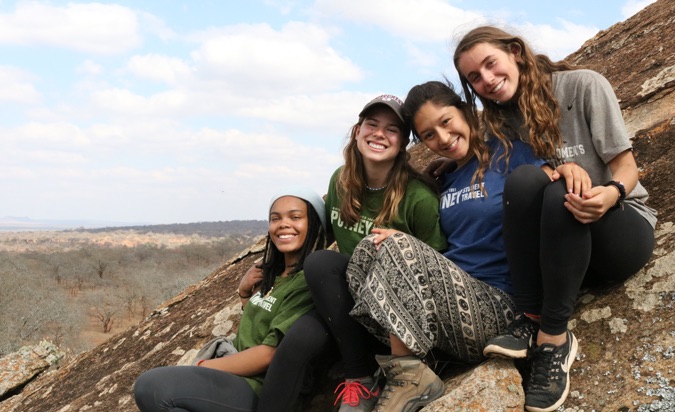
The focus of Putney’s Service Tanzania program is learning about another culture by forming meaningful relationships with local people and undertaking a shared community service experience together. This program centers on meaningful service, cultural immersion, and wildlife conservation in one of East Africa's most remarkable settings. Students spend the majority of the program living in a rural village, collaborating with local community members on construction, education, and environmental projects while learning basic Swahili and experiencing daily life firsthand. Along the way, they explore Tanzanian traditions, and conclude the experience with a safari, connecting their community experiences with a deeper understanding of the region's extraordinary wildlife and ecosystems. Students should come to the summer with an open mind, eagerness to participate in new experiences, and interest in exploring another culture and way of life. All students participate in each of the group’s projects on a rotating basis, and everyone lends a hand in meal preparation and cleanup. To learn more about our Service programs click here.
During Putney’s Tanzania service program, students take part in a range of service projects, including construction work like mixing cement or painting community buildings; environmental efforts such as planting seedlings or supporting local farms; and educational activities like assisting with English lessons for children. All students rotate through each project and help with daily tasks like meal prep and cleanup. The program emphasizes cultural learning through meaningful relationships and shared community service experiences, so an open mind and willingness to participate are essential.
To help students fully engage and immerse themselves in the Putney Student Travel experience, we do not allow use of cell phones or other internet-connected devices (including tablets, smart watches, laptops, etc.) on our middle school or high school travel programs. Students may have their cell phones during travel to and from the program. During the group’s in-country orientation, program leaders facilitate a call home, then collect and securely store all phones until departure day. Throughout the program, students have the opportunity for a weekly call home according to a pre-arranged schedule. For more details, please see our Approach to Technology.
Students on our Tanzania service program can expect to complete 40–60 service hours. Students receive a digital service certificate after the program that confirms their participation. The certificate will specify the exact number of hours completed, based on our host community’s identified projects for the group.
While each of the country’s 120 ethnic groups has its own dialect, Swahili is the language spoken by the majority of Tanzanians. However, higher education is conducted in English, so many older people speak English. During the program, students have the opportunity to learn some basic Swahili. Our safari guides are fluent in English.
All students on Putney programs pursue an independent project as a way to more deeply engage with aspects of local culture that are of particular interest to them—in Tanzania, you might investigate the function of the village’s governing council; the role of music, dance, or sport in Tanzanian culture; how ujamaa, or villagization, shapes community interdependence; the role of women as the primary agricultural producers; tourism and the economy; or how community-wildlife conflict is managed. Present your independent project around the campfire on safari.
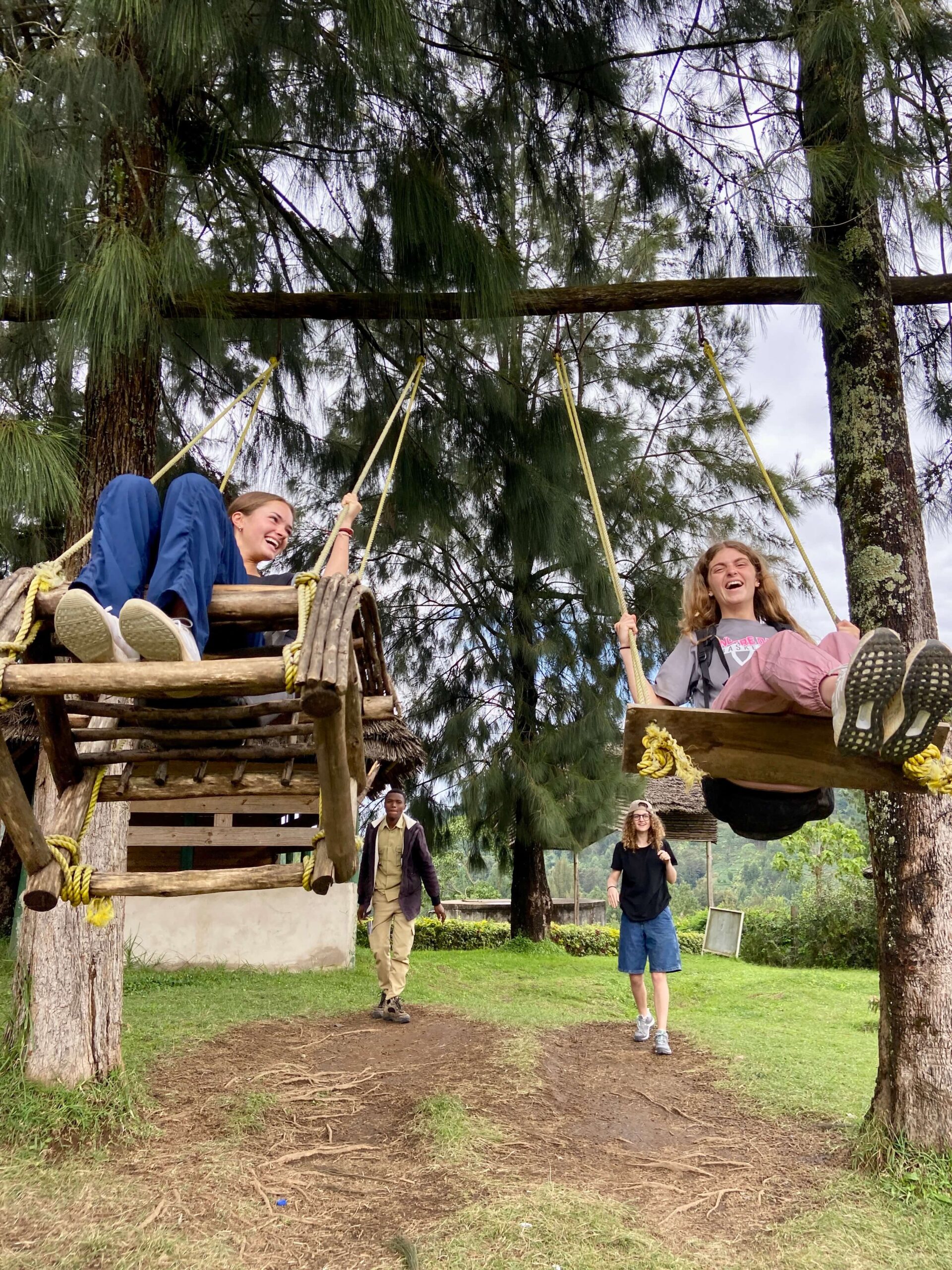
This is a physically active summer travel and service program. The service work can be strenuous. Aside from working on community service projects, you can expect to play with local children, explore our host community on foot, go on hikes, visit local farms, participate in local crafts, and play pick-up games of frisbee or soccer. You do not need to be at peak fitness to participate, but it is important that you have a desire to be physically active outdoors and that you are excited about trying all activities.
On Putney’s high school Service Tanzania program, living is simple. Students sleep in sleeping bags on bunk beds in a private house, with outhouse bathrooms and basin bathing in outdoor stalls in the host village. On the weekend excursion, we stay at a mountain lodge, and during safari, in outfitter-provided tents. Leaders reside with students throughout the program.
In our host village, we eat meals in our house with a group of wonderful local women, affectionately known as the “Mamas,” who help us shop for groceries and prepare meals. Students rotate through cooking crews responsible for preparing breakfast and lunch for the group and assisting the Mamas with dinner. Meals consist of a mixture of local and Western dishes with rice and stews, grilled meats, breads, and plenty of fresh fruits and vegetables. On the weekend excursion, we eat at our mountain lodge. While on the safari, we prepare our meals in camp with our safari guides.
Putney’s Service Tanzania program is designed for high school students (grades 9—12) who are curious, adaptable, and eager to engage with new cultures and environments. The program is a good fit for students who are comfortable with simple living conditions and enthusiastic about hands-on service work in community settings. Students who are open-minded, flexible, and willing to fully participate in shared experiences tend to thrive and gain the most from the program.
Our Tanzania service program offers meaningful cultural immersion alongside a wide range of community-based service opportunities. Students experience daily life in local communities while engaging directly in projects that address education, infrastructure, and environmental needs. Putney has designed programs in Tanzania and East Africa since 1968, when the first Putney students summited Kilimanjaro. Our established relationships with local partners help ensure authentic collaboration and sustained impact, creating a meaningful service program that goes beyond observation to active participation and exchange.
Putney’s Tanzania program stands out among Putney’s Service offerings for its combination of multiple project types—construction, environmental work, and education—within one immersive experience. Like other Putney Service programs, it emphasizes hands-on engagement and cultural exchange. Students also experience a wide range of environments, from rural villages to national parks. This blend of service, cultural immersion, and travel creates a particularly dynamic program experience.
No specific experience or skills are required for success on our Service Tanzania program, aside from coming with an open mind, willingness to try new things, and participating positively in a supportive, small-group environment.
Students on our Tanzania program develop adaptability, resilience, and confidence through hands-on service work and immersive living in new environments. They strengthen teamwork and communication skills while collaborating on community-based projects and navigating cross-cultural experiences. The program also fosters global awareness, empathy, and a deeper understanding of different ways of life.