
Program Directed by
John Ralston
If you have questions or would like to talk further about this program, please get in touch!



Meet your fellow high school student travelers and one or more of your program leaders in New York, and fly together to Berlin, Germany. To learn more about how we organize travel, click here.
Begin your program in Berlin, known for its vibrant art scene, diverse culinary offerings, and varied architecture. Get to know your peers and leaders with a group orientation, then dive into the history of the automotive industry in Germany, long a leader and innovator in this field and others related to tech and manufacturing. Visit a Berlin car museum and Deutsches Technikmuseum, then get out to meet and interview Berliners to get a sense of their views on automation. Meet with journalists covering the auto industry and with German policymakers working to adapt laws to this rapidly evolving technology.
While here, take time to visit important historic sites, reminders of the country’s turbulent history, and memorials for victims of the World Wars and the Holocaust. Trace the path of the Berlin Wall by bicycle, and experience the sights, smells, and sounds of the Turkish market at Maybachufer.
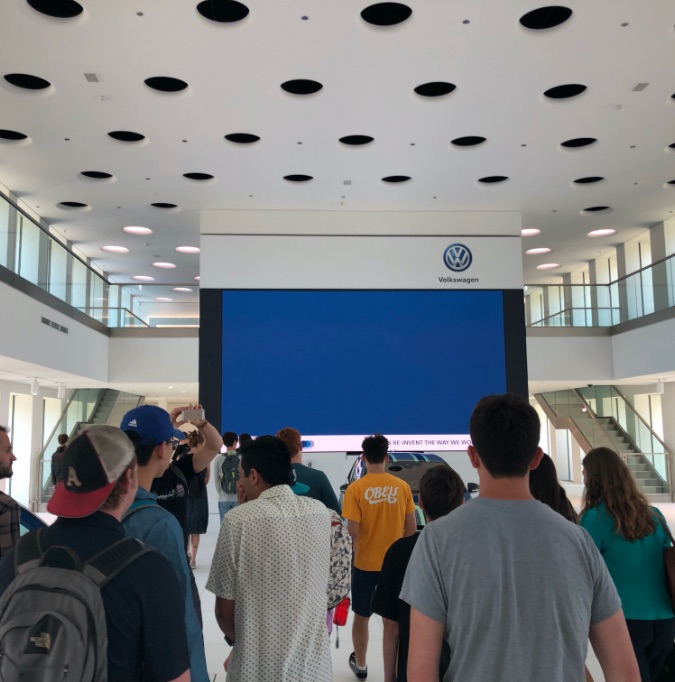
Spend a day exploring Wolfsburg, home to Volkswagen, and learn about the scandal that rocked the automotive industry. Chat with Germans who refer to Volkswagen’s slogan “Fahrvergnügen” (“driving enjoyment”) and question whether automated vehicles can offer that same enjoyment. Visit Volkswagen’s Autostadt—an amusement park-style museum dedicated to the auto giant. Learn about the history and future of Volkswagen, experience a racing simulator, and get a peek inside the factory.
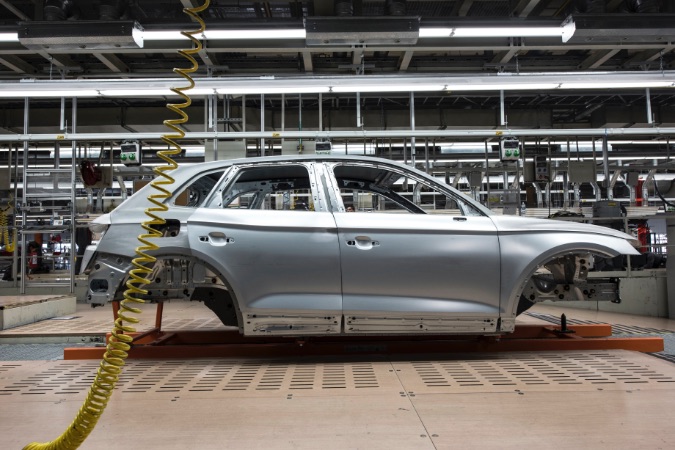
Next, head south to Stuttgart, a manufacturing city home to both Mercedes-Benz and Porsche. Porsche is dedicated to designing electric vehicles and Mercedes-Benz is taking its highly advanced driver assistance systems to a new level in the race to create self-driving luxury cars. Follow the production line of the all-electric Porsche Taycan. Visit the expansive and impressive museums of these two luxury giants and meet with members of the teams dedicated to bringing these brands into the future.
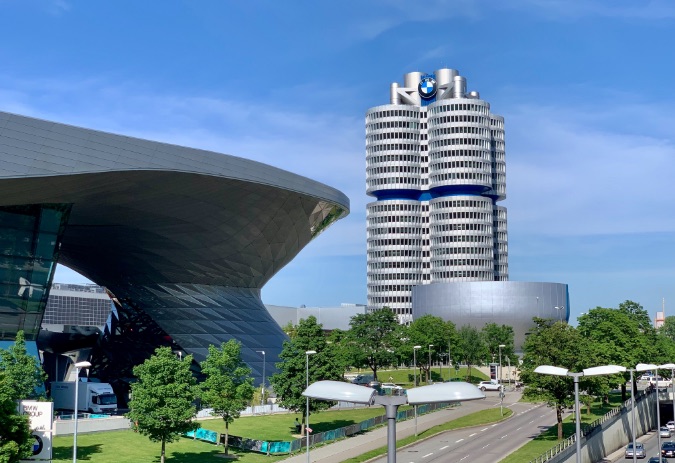
Travel to Munich, headquarters of one of Germany’s best-known automakers. Visit the BMW Museum and BMW World exhibition to learn more about the history of this iconic brand. Spend an afternoon exploring the cobblestone streets of Bavarian Munich. Hear the bells chime at the Glockenspiel in Marienplatz and sample the traditional noontime meal of sausage and pretzel.
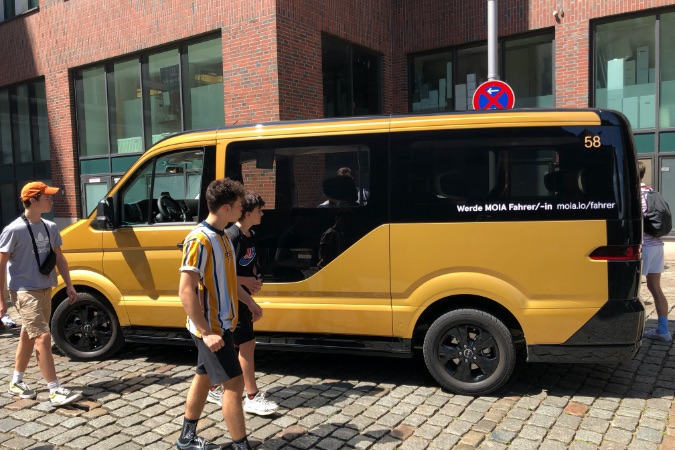
Fly to Gothenburg, Sweden, an up-and-coming tech hub and the home of Volvo. The company recently introduced cars with driver assistance technology—the first step in gaining public trust in autonomous vehicles. Meet with Volvo representatives to learn about their innovations and how they are promoting them to customers. Hear their approaches to legal and ethical concerns, and go behind the scenes on the factory floor. Meet with CEOs and industry professionals developing charging systems and autonomous vehicles. Ride an autonomous bus already on the streets of this university city. Continue your investigation of public opinion through conversations with locals on the street. Brainstorm ways that self-driving technology could be promoted in your own town.
Visit the Skansen Kronan, an old fortress perched on a hill offering spectacular views of the city. Sample fresh seafood at the fish market, take a day trip to the vehicle-free fishing islands of the archipelago, and attend outdoor summer concerts in the park. Present your project to your group and take a Tesla to the airport for your flight home.
Fly from Gothenburg, Sweden, to New York with your group and a leader, then continue on to your final destination. To learn more about how we organize travel, click here.

Putney’s high school Career program in Germany & Sweden program combines automotive engineering, design, and automation with hands-on experiences exploring the future of transportation. Students meet engineers, designers, urban planners, and other innovators, while participating in design workshops, interviews, and factory visits that introduce them to careers shaping the future of mobility.
Proficiency in German and Swedish is not required for this program. However, if you study either language in school, you will have opportunities to practice while communicating with local people. English is used in all the offices, factories, and laboratories we visit, and previous language study is not required. Students who do not speak these languages will equally enjoy their experience and learn some basic phrases and vocabulary.
All students on Putney programs pursue an independent project as a way to more deeply engage with aspects of local culture that are of particular interest to them. In Germany & Sweden, you can pursue and explore an aspect of the automotive industry of particular interest to you—become an expert on the state of automation, design a mock-up of your own vehicle, or map out the changes necessary to bring electric or autonomous vehicles to your hometown.
To help students fully engage and immerse themselves in the Putney Student Travel experience, we do not allow use of cell phones or other internet-connected devices (including tablets, smart watches, laptops, etc.) on our middle school or high school travel programs. Students may have their cell phones during travel to and from the program. During the group’s in-country orientation, program leaders facilitate a call home, then collect and securely store all phones until departure day. Throughout the program, students have the opportunity for a weekly call home according to a pre-arranged schedule. For more details, please see our Approach to Technology.
This is a physically active summer travel program. Students can expect to spend time walking and cycling as they explore cities in both Germany and Sweden. You do not need to be at peak fitness to participate, but it is important that you have a desire to be physically active, and that you are excited about trying all activities.
Accommodations on our Germany & Sweden program include a mix of small and large family-run hotels, and rooms vary throughout the itinerary. In some destinations we stay in rooms that are dormitory-style (larger rooms separated by gender, with a shared bathroom), while in other destinations we stay in double rooms with private baths. Leaders reside with students for the duration of the program.
We eat most breakfasts in our accommodations, which might include bread with jam, muesli with yogurt and fruit, eggs, and sliced meats and cheeses. Lunches are either eaten in restaurants or picnic-style on the go. Dinners are eaten out at restaurants. Students can choose from a variety of local specialties, including schnitzel, currywurst, fischbrotchen and knäckebröd. All dietary needs and restrictions can be accommodated.
Our Germany & Sweden Career program is designed for curious, motivated high school students (grades 9–12) who are interested in the future of transportation and how technology shapes the way we move through the world. Students may come with an interest in cars and motorsport, electric vehicles and charging technology, autonomous transportation, urban planning, or infrastructure design. An interest in the history and cultures of Germany and Sweden, along with a willingness to ask questions, meet new people, and explore unfamiliar ideas, will help students get the most out of the program.
Germany and Sweden are global leaders in automotive innovation, sustainable transportation, and the future of mobility. From Germany’s renowned engineering tradition and automotive manufacturing expertise to Sweden’s pioneering work in electric vehicles, clean technology, and urban design, these countries provide an ideal setting for students to explore how transportation is evolving. Through Putney’s longstanding relationships with local experts, universities, companies, and organizations, students gain access to engineers, designers, and innovators working on the challenges that will define the future of transportation.
This program offers a unique balance of exploration, hands-on learning, and cultural discovery. Like all Putney Career programs, students engage directly with experts and gain insight into real-world careers, but this program stands out by exploring complex topics like automotive engineering, automation, and the future of transportation through a global lens.
Our Germany & Sweden program is a great fit for students who are excited by innovation and technology but also want the opportunity to experience the culture, history, and daily life of two dynamic European countries. Students leave with a deeper understanding of emerging industries while also enjoying the exploration, independence, and adventure that make international travel so meaningful.
No specific experience or technical skills are required to participate in the Germany & Sweden high school program. Students do not need a background in engineering, automotive design, or technology—just curiosity, an open mind, and a willingness to engage with new ideas. The program is designed for high school students at a range of experience levels who are excited to learn, ask questions, and explore the future of transportation.
Students leave with a deeper understanding of how engineering, design, and technology are shaping the future of transportation. They develop problem-solving skills, design thinking, and a greater awareness of potential career paths they may not have previously considered. Beyond the program themes, students gain confidence navigating new environments, communicating with new people, and exploring different cultural perspectives. Experiencing Germany and Sweden firsthand helps students broaden their understanding of innovation, collaboration, and the ways different societies approach challenges of the future.