Student Photography: Excel China

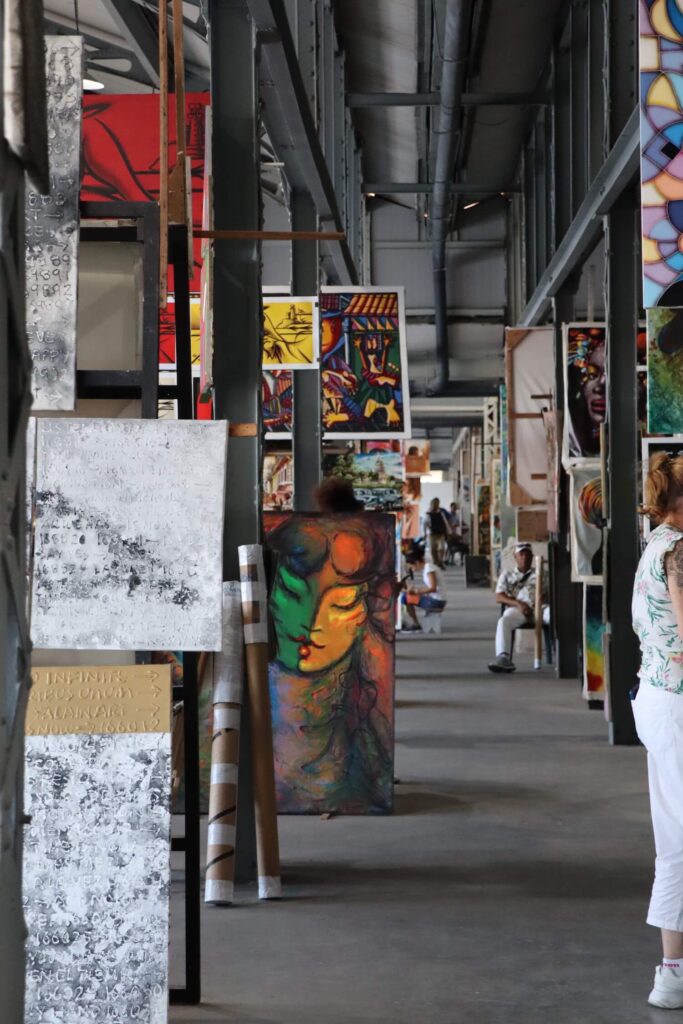
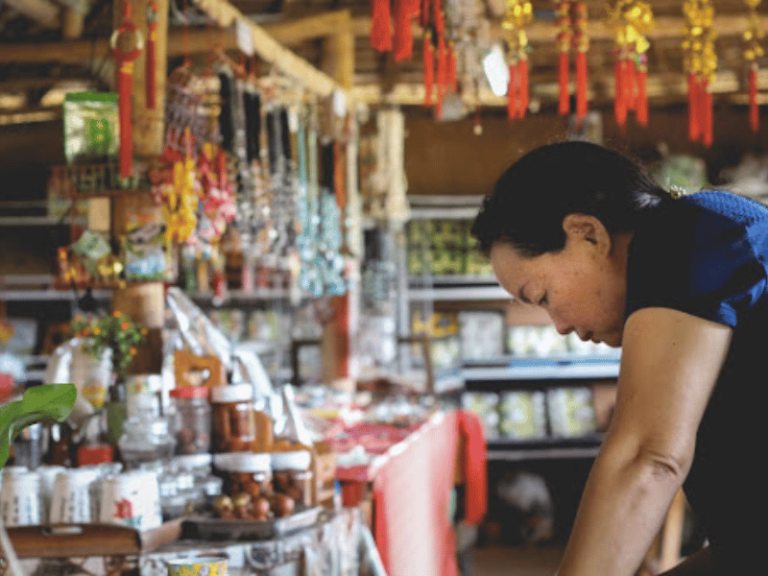
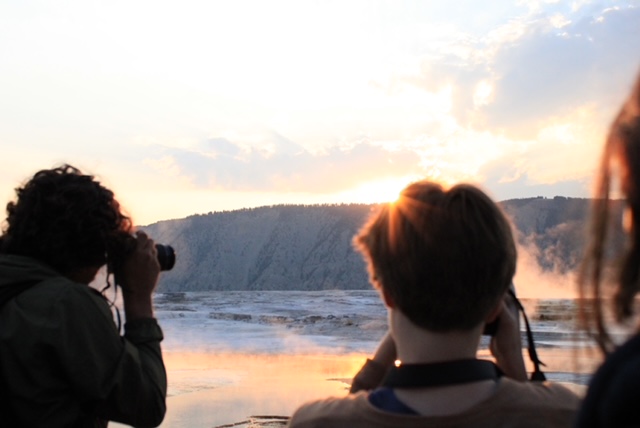
Our Excel programs in ChinaAmherstMadrid/Barcelona, and Oxford/Tuscany feature travel photography seminars. Check out this photo slidehsow of 2011 student photography from Excel China and read statements from the photographers themselves.

Posted in China, Excel, Uncategorized | Tagged , , , , , | Leave a comment

Nusa Penida: Community Service in an Undiscovered Bali

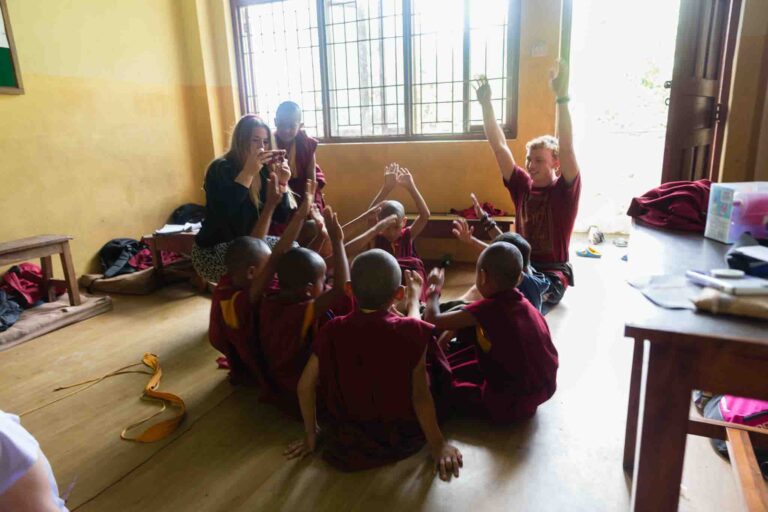
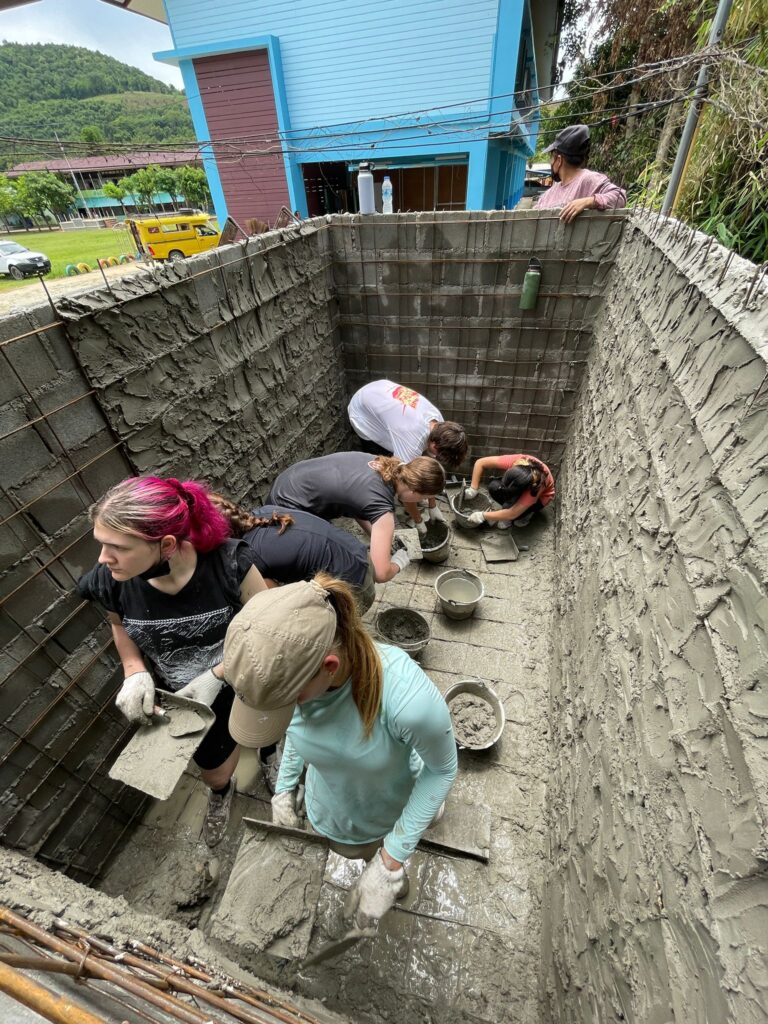
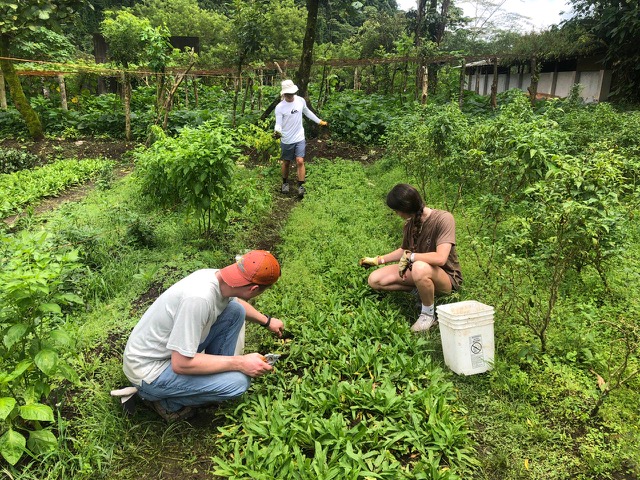
Looking to travel to a completely undiscovered part of the globe this summer?  Putney  Community Service Nusa Penida students make their home on a small island located to the southeast of Bali, Indonesia.  In contrast to the traditional South Pacific tourist loop, our group settles into a small village on the island, at the invitation of the community and a longtime friend of Putney.  Here, we complete much-needed community development projects, join religious ceremonies, and learn about the island’s distinct culture. Click through this slideshow to see incredible photos and read short excerpts written by recent Community Service Nusa Penida alums.

Posted in Community Service, Nusa Penida | Tagged , , , , , | Leave a comment

Leader Submission: Matt’s Take on Turkey

Matt sailing off the coast of Fethiye, Turkey

Matt Kostakis, a veteran Putney leader to both Costa Rica and the Mediterranean, will be leading our exciting new Cultural Exploration Turkey program this summer. Matt comes from a Greek American family in New York, studied International Development in Montreal, and is now studying International Human Rights Law in Egypt. He has traveled extensively in Turkey and settled down to live and work on a farm in Fethiye, Turkey, during his last trip. He recently got in touch with us to share his take on traveling and living in the country. We can’t wait to send him off once again with a new group of Putney students!  

“You can’t trust Turks—they stole our history. Be careful!”  This was the parting advice of my distressed Greek-American parents as I embarked on my first solo journey to Istanbul twelve years ago.  I remember arriving on a hot summer afternoon, paranoid that I might end up in any number of scenarios that would elicit a “we told you so” from home.  What I hadn’t imagined was the possibility that I would feel at home in Istanbul, and neither my parents nor I had imagined that I would fall in love with Turkey.  But I did on the first day.

Yakaba farm, where Matt immersed himself in the agricultural lifestyle of rural Turkey.

I guess it was something about receiving an incredibly warm welcome in a place where I hadn’t expected one.  All the clichés about Turkey’s incredible diversity, awe-inspiring architecture, labyrinthine markets, rich history spanning empires and continents, are true.  But I was surprised to find that many of my preconceptions about the people, their politics, and their faith were so far from the reality around me.  Everywhere I went people wanted to share something with me. It didn’t matter if we could communicate with words.  It didn’t matter if I told them I was American, or Greek, or Christian.  People wanted to take me to their village or favorite beach, to sit with me and talk about prayer in a local mosque, to take a picture with me, to invite me to a barbecue with friends and family, to end the night playing old Turkish songs on the bağlama.  I think I discovered what I really love about travel in my first encounters with Turkey.  Travel is about leaving behind prejudices, fears, and expectations and enjoying the goodness of people who share their culture, thoughts, and lives – expecting nothing but friendship in return.

Relics of the silk road, Kapadokya, Turkey.

Embarrassed by the number of people who praised my “very good Turkish,” (I had only mastered the formidable expression for thank you: teşekkür ederim) a month after my first trip to Turkey, I registered to study Turkish at McGill University, where I had been studying International Development. I hoped to make a foreign place more familiar. In the years since then, I’ve returned three times to Turkey, each time amazed by the overwhelming hospitality of the people I’ve met on the road – from Istanbul to the far reaches of Anatolia.

A family reflecting at the mosque in Urfa, Turkey.

On my last trip to Turkey, I spent the summer living and working in a farming village near Fethiye. Experiencing rural life and working with a Turkish family helped to build sense of belonging and community when I got tired of being a traveler.  I got to know Turkey at a different pace over early morning grape harvests and afternoon backgammon tournaments.  At a village wedding one night, I discovered that the traditional dances from the Aegean Coast of Turkey are the same as the Greek dances I learned growing up.  Once again, I found that in a seemingly foreign country, I could navigate my way with familiar steps.

Nazar boncuğu hang in Kapadokya to ward of evil spirits.

I don’t mean to paint a picture of a flawless country, ignoring historical scars and political realities. But in my time spent in Turkey, I’ve come to terms with the fact that despite some harsh realities, (and maybe because of them,) Turkey is a place that is always welcoming to outsiders.  I am incredibly excited to lead Putney’s first program in Turkey! I can’t think of a more exciting place to visit – one where students can immerse themselves in a totally different culture while learning that a nation which “bridges East and West” offers the unique experience of discovering a little bit of yourself in totally unexpected places.

Uçhisar, Kapadokya,Turkey.

Posted in Cultural Exploration, Turkey, Uncategorized | Tagged , , , , , , , | Leave a comment

Putney Premiere: Patrick’s Memories from Excel China

Check out this new Putney video! Patrick Noyes recalls a particularly memorable student from his time as the director of Excel China.

Posted in China, Excel, Uncategorized | Tagged , , , , | Leave a comment

Notes From Programming: Hannah Heads to Fiji

Hannah Gilkenson, Fiji.

Hannah Gilkenson, one of the Associate Directors here in the Putney Barn, recently traveled to Fiji to confirm the details of our new Community Service Fiji program. She spent her time meeting with local contacts and Chiefs, discussing possible projects, and getting a feel for the culture and people of Fiji. She also took some unbelievable photos! Read on as Hannah reflects on her trip and gives a sneak peek at this exciting new program.

Bula!

I have just returned to snowy Vermont from sunny, spectacular Fiji, where I spent ten days meeting with village Chiefs and coordinating the details of our new Community Service Fiji program. I had been to Fiji before, but my experience this time was different.  This time, I had plenty of time to settle in, strike up conversations with the locals, build friendships, and enjoy all that this amazing group of islands has to offer.

To orient you a bit, the Republic of Fiji is a collection of 322 islands in the South Pacific Ocean. The islands are located to the north of New Zealand and to the east of Australia. Although Fiji was a British colony for nearly a century and English is now its official language, the nation brims with unique indigenous customs and dialects, and each island has its own way of living and speaking. The majority of Fiji’s islands remain very rural, largely untouched by outside influence. Located roughly 8,000 miles from Putney, Vermont, this collection of islands is a treasure that we are thrilled to explore!
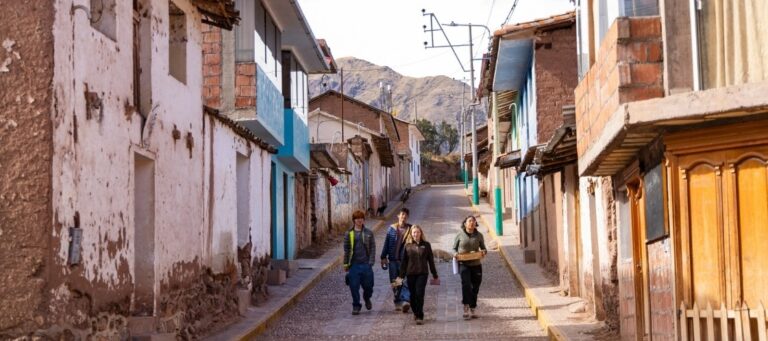
I spent the majority of my time in Fiji on the island of Taveuni, the third largest island in the archipelago. Taveuni is like something out of a movie – out of Return to the Blue Lagoon, to be exact, which was filmed here back in 1991. The landscape is a stunning combination of colors. The turquoise blue waters reflect the South Pacific sun and palm trees line the white sand beaches, slowly giving way to lush, green mountain peaks as you head inland from the water. I felt like I had arrived in the land where postcards were invented.

Eager to better understand the community in which we will live and work, I spent a few days volunteering with a medical team from the United States that was, with the help of the Loloma Foundation, bringing basic health care to some of the most rural villages in Fiji. I was tasked with recording all the necessary information from the people who came to the clinic – name, age, what village they were from, and the reason for their visit to the doctor. As we sat together in the waiting room of the clinic, I learned much more about them and about the Fijian way of life. I learned that James was trained as an electrical engineer but that he didn’t want to leave Fiji to find work, so he stayed behind and became a teacher instead. I learned that Sarai came from a big family – she was one of eleven children – and that she had seven of her own. I learned what they did for a living, where they lived, and how they had arrived at the clinic that morning. I learned that many of them had never left Fiji, nor did they have any real desire to. It was quite a different mentality than my own, as I am always looking ahead to the next trip. It made me think about slowing down and focusing on my immediate surroundings.

Village life in rural Fiji is quiet. In many of the villages I visited, electricity is scarce or intermittent. There are no TVs or radios blaring, no car horns, and no sirens. The most common sounds I heard were shouts from the boys on the soccer field, singing coming from the church, and occasional dogs barking. Fijians themselves are very soft-spoken. I found myself having to strain to hear at times during conversations with people I met along the way. Sometimes they don’t use words at all! I quickly learned that a slight raise of the eyebrows means yes and the most subtle shake of the head can mean no. Fijians don’t really have a need to shout, though, because other than the roar of the ocean, there does not seem to be anything one would need to shout over. Coming from a culture full of noise, I fully embraced this silence and settled right in.

During my time on Taveuni, I met with village Chiefs to discuss our partnership for the coming summer. We identified projects for our group to collaborate on, visited the houses where our students will live, and shared kavakava with some local musicians. Even in my short stay, I could feel a strong connection to the island and its people. Needless to say, I can’t wait to return to Fiji this summer and help Putney students to explore Fiji for themselves. I can already envision us heading out in the morning light to pour the cement foundation for a kindergarten classroom, or taking a cool dip in the ocean after a soccer match with the local children. I know that we will have a fantastic experience on our Community Service Fiji program this summer and I know that my ten day stay was just the beginning.

Posted in Community Service, Fiji, Uncategorized | Tagged , , , , , | Leave a comment

Senegal Alumna Honored for Volunteerism

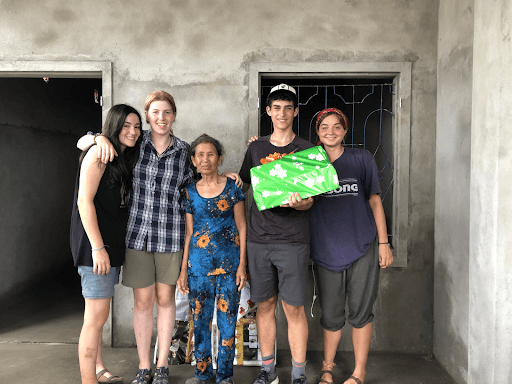
Izzie Levinson, a 2011 Community Service Senegal almuna, was recently honored for her volunteerism in Jewish Journal’s annual Mensch List. An 11th grader at Oakwood School in Los Angeles, California, Izzie is a leader in a number of community service efforts at home and abroad. She tutors as a reading partner at a local elementary school, helps a women’s cooperative in Chiapas, Mexico, sell their artisan clothing here in the United States, and participates in an education exchange program using new media technology to interact with high school students in Afghanistan. She describes her time in Senegal with Putney as “the big turning point” and refers to it as “probably the best experience of my entire life.” We’re very proud of Izzie and thrilled to learn about the many ways she is giving back around the globe. Click here to read the full story on Izzie.

Izzie’s sister, Rebecca, is also a Putney alumna. She traveled on our Global Awareness in Action program to El Salvador in 2006. Her service, both in El Salvador and at home, garnered a feature in Jewish Journal as well! Click here to read more about Rebecca.

Posted in Community Service, Senegal, Uncategorized | Tagged , , , , , | Leave a comment

Photo Slideshow: The Rhythm of the World

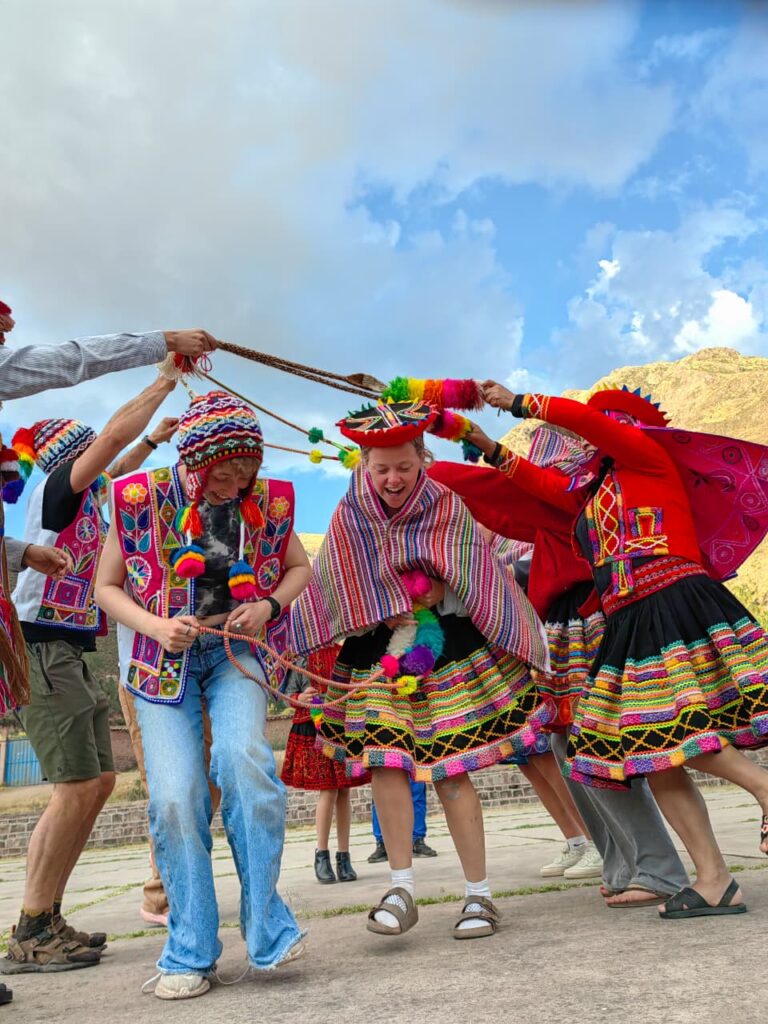
Music is one of the universal languages of our world. Whether through the steps of a traditional dance, the strumming of a guitar, or the singing of a tune, we communicate across cultures through the rhythm that pulses in all of us. Check out this photo slideshow of our 2011 students keeping the beat all over the planet.

Posted in Uncategorized | Tagged , , | Leave a comment

Featured Leader: Ted Samuel

Ted Samuel has led four Putney programs. He began in 2008 with Community Service India, went on to lead two consecutive summers of Community Service Vietnam, and recently headed our Global Awareness in Action Cambodia program in 2011. A graduate of Kenyon College, Ted has served as a Fulbright Scholar and a Peace Fellow, conducting research and working in advocacy and media in South India and in Nepal. He is currently completing his doctoral studies in Anthropology at American University. Click here to read his full leader bio. We recently got in touch with Ted and were able to ask him a few questions about his experience with Putney. Read his responses below, as well as a few quotes from his students and links to his renowned program blogs. 

You’ve led four Putney programs. What keeps you coming back?

I come back every year because of the students. In my four summers with Putney, each of my 67 students (68 if you count one that I had on two trips!) has made a lasting impact on my life. They are, hands down, some of the most talented, funny, intelligent, hardworking, kindhearted, and all around inspiring young men and women. I am pretty sure my non-Putney friends and family get tired of all the bragging I do about my kids, but I can’t help but be proud of all of their accomplishments during and after the trips. I do a lot of teaching and mentoring on Putney trips (as well as doctoring, entertaining, planning, etc.)… but at the end of the day I learn so much from each student.

Throughout the years, what are some common threads that have run through each of your experiences?

I’ve learned to expect growth from my students. Each student comes into a program with a specific way of seeing the world and a clear idea of what they are capable (or incapable) of doing. These trips challenge students in a way that no classroom experience, summer job, or internship ever could. And each of my former students, in some way or another, has had to push themselves – be it in physical, social, emotional, or academic realms. Students rarely surprise me when they go above and beyond my expectations or the expectations of the program. But it’s always rewarding when they surprise themselves by getting a glimpse of what they are capable of accomplishing.

Do you have any mantras or mottoes with which you approach each summer? What do you tell yourself in that moment before you meet your students?

My motto is “embrace it.” The good, the bad, and even the ugly.

I want students to embrace the local. I want them to try blood cockles and stir fried crickets in Vietnam. I encourage them to learn Bollywood songs and to choreograph elaborate dance numbers with schoolchildren in rural India. I practically demand that they learn how to juggle and do a proper flip during our time at a circus school in Cambodia. Putney programs are a once-in-a-lifetime opportunity. Dreaming about the cushy comforts of the United States is time ill-spent. Inevitably, when my students embrace their surroundings and form relationships with local people, they begin to feel like India/Vietnam/Cambodia is home.

I also encourage students to embrace the work they are doing. This can be difficult at times. The work that students have done on trips that I’ve led – from hours upon hours of construction work in the South and Southeast Asian sun to the meticulous editing of documentary films – is not, in any sense of the word, easy. But if our jobs were easy, they would quickly become boring and downright unfulfilling. The challenging work we take on inevitably leads to an impressive product – be it a house for an impoverished family, a classroom for a community, or a polished film which will raise awareness of contemporary human struggles in a given locale. And the experiences we share as we create those final products will, without a doubt, be among the stories that we will one day tell our grandchildren.

As for me, I embrace everything my students and co-leaders bring to the table. From their most impressive talents to their most hilarious quirks, I think it’s important to celebrate the unique flavor that every single person brings to these programs. I live for the corny joke tellers and the students who become giddy every time they see a local baby. I can’t get enough of students who spend hours trying to solve riddles and those who go to great lengths to figure out the killer in a game of Mafia. I admire students who are quiet in most social situations but find unique ways to express themselves through drawing, filmmaking, writing, etc.  These trips bring people with so many different backgrounds, interests, skills, and talents. Each person on a Putney program makes the summer fun, rewarding, and memorable.

Here are some things Ted’s students and their parents have told us about him:

“Ted is the most wonderful man on the planet. He is kind, intelligent, funny, and always willing to talk with you and put you at ease.” – Hillary G., Miramonte High School, Orinda, CA

“Ted could always make us laugh, and he connected with every single person on the program.” – Mia R., Cambridge Rindge and Latin School, Cambridge, MA

“Our daughter had only great things to say about Ted’s mannerism, intelligence, humor, and leadership skills.” – Parents of Erin B., Lyme-Old Lyme High School, Old Lyme, CT

Ted is also widely regarded as the model in Putney Student Travel blog writing. Check out links to two of his blogs below:

Community Service Vietnam 2010

Global Awareness in Action Cambodia 2011

Posted in Cambodia, India, Vietnam | Tagged , , , , , , , | Leave a comment

Global Action El Salvador Alumna Headed to Honduras

We recently got back in touch with Lindsey Weiss, a 2008 alumna of Global Awareness in Action El Salvador who is now majoring in Health: Science, Society, and Policy at Brandeis University. She talked with us about how her experience in El Salvador shaped her academic pursuits and she also filled us in on her exciting new plans for a medical expedition to Honduras.  

Can you describe your experience with Global Awareness in Action El Salvador? 

My experience with Putney in El Salvador was amazing. El Salvador opened my eyes to many global issues and allowed me to develop an appreciation of Hispanic culture that has shaped my view of the world today.

We spent our first few days in the capital city, San Salvador. During our time there, we stayed in a hostel owned by a husband and wife who had lived through the recent civil war.  We listened to their stories, heard about the hardship they had faced, and asked many questions. We also visited the US Embassy, and various NGOs to gain a holistic understanding of the country.  Next we headed to Santa Marta, a small village near the border with Honduras, where we would spend the majority of our time.  We took with us all that we had learned during our time in San Salvador.  In Santa Marta, we lived just like the local people – with bucket showers and outhouses.  I volunteered in the local health clinic, made health education posters,  gave talks to local people about nutrition, and assisted the doctor with basic first aid.

Is there one moment or memory in particular that has stuck with you from that summer?

I remember the strong sense of community that I felt while living in Santa Marta. I had never seen such a close-knit community before. The first night we arrived, many people from the village greeted us with a big dinner and played songs for us. Throughout our time there, they shared their lives with us and allowed us to gain a better understanding of their culture. They opened their homes, organizations, bakeries, clinic, and schools to us. We developed close friendships with kids in town and at the end of the trip they threw a big going away party for us.

Please describe the group environment, what were your leaders like? What were the other students like?

The other students in my group were some of the most intelligent and passionate people I have ever met.  I had never met other kids my age who were so down to earth. We connected with the people in the town and wanted to help in any way we could. I became close friends with the most of the students in my group and still remain in touch with many of them today.

My leaders, Shereef & Melissa, were very knowledgeable and helped us to better understand the issues that El Salvador faced. Shereef taught us the importance of being a traveler rather than a tourist; I still incorporate that value into my life when I travel.  He also told us that going to a country like El Salvador would help us to realize how much we  can do without, not how fortunate we are.  Melissa taught us a lesson about immigration that she had experienced with her previous work.  All of these lessons were very moving and encouraged our group to absorb all that we could during our time in El Salvador.

Please connect the dots from your experience in El Salvador with Putney to what you are up to today. What have you been doing and what are your plans for the future?

I’m currently a sophomore at Brandeis University and am majoring in Health: Science, Society, and Policy. I plan to minor in Hispanic Studies. My work in the clinic while in El Salvador really opened my eyes to the public health issues that exist in many third world countries and influenced me to further pursue my interest in health care.  I hope to pursue a job in the medical field after going to graduate school. In addition, my experience in El Salvador deepened my interest in the Spanish language and culture, which is why I plan to minor in Hispanic Studies.

How do you feel your Putney experience in El Salvador has prepared you for your studies at Brandeis and your upcoming medical expedition in Honduras?

Global Action El Salvador helped broaden my perspective on global issues and enabled me to open my mind to other ways of life. These experiences most definitely prepared me for college life at Brandeis, where I’ve continued to focus on issues of international development on both academic and personal levels.

In February, I will participate in a Global Medical Brigade to Honduras where we will take vitals and teach health education in a village. Honduras borders El Salvador, and many people in the village of Santa Marta fled to Honduras during their country’s civil war. While on my Global Action program, our group swam across the Rio Lempa (which forms the border between El Salvador and Honduras) to experience what it would have been like to flee to Honduras during the civil war.  Because of my past experience with Putney, I feel very prepared going into this trip.

When you think about returning to Central America, what is the first thing that comes to mind? How do you think you’ll feel when you step off the plane?

When I think about returning to Central America, I get very excited!  I’m excited to be able to see another way of life and culture again. When I first step off the plane, I think I’ll be reminded a lot of my time in El Salvador.  I am sure that it will bring back many memories of the life-changing experiences I had during the summer of 2008.

Do you have any advice for future students of Putney programs?

1. Be open minded to all kinds of life, cultures, and people.

2. When traveling to your respective country on a Putney program, become aware of the         country’s history, political, and social issues

3. Be a traveler, not a tourist!

Posted in El Salvador, Global Awareness in Action, Uncategorized | Tagged , , , | Leave a comment

Language Learning France: A History of Immersion

We recently pieced together these then and now photos from Language Learning France and realized that both were taken by leaders who currently work here in the Putney Barn! The black and white version was taken by Co-Director Jeff Shumlin when he led the trip in 1979 while the color version was taken by Associate Director Karen Phillips in 2011. Check out what they both had to say about the striking similarity of the photos and view a slideshow of Language Learning France shots to learn what makes the program so unique.  

Language Learning France, 2011

Karen: Our group did three major hikes while we were in the Alps, but this hike, and the view from where we are in this photo was by far the most spectacular. From where the ski-lift dropped us off high in the mountains, the hike to this spot took us about two hours. The path led us across an old avalanche path, and past rock cairns the size of small houses, to an icy blue glacial lake. There is a chalet there, manned by French Alpine guides, that serves sodas and home-made pies if you arrive early enough in the day. We picnicked here, overlooking the lake, the valley of Chamonix, the Argentiere glacier, and the snowy slopes of Mont Blanc.

Language Learning France, 1979

Jeff: I suppose it should not be surprising that these rocks and the peaks of the Alps behind are fundamentally unchanged in the course of the 32 years between these photos.  The Putney students’ experiences are pretty much unchanged as well. These students from 2011 had almost the same opportunities as my students did in 1979; to become close and bond through this incredible outdoor and cultural experience. Notably, Laurent Gazagnes is visible in the lower right of the 1979 photo. He was the teenage son of our hosts at the group’s alpine chalet above Chamonix. Students today have a similar experience with Benoit Henry, the owner of our present chalet. The Language Learning France program is still a great opportunity to have a lot of fun, interact with French people, make lasting friends, and do it all in French. I have changed a little more than those stones have….but Karen is as dynamic a leader as I ever was!
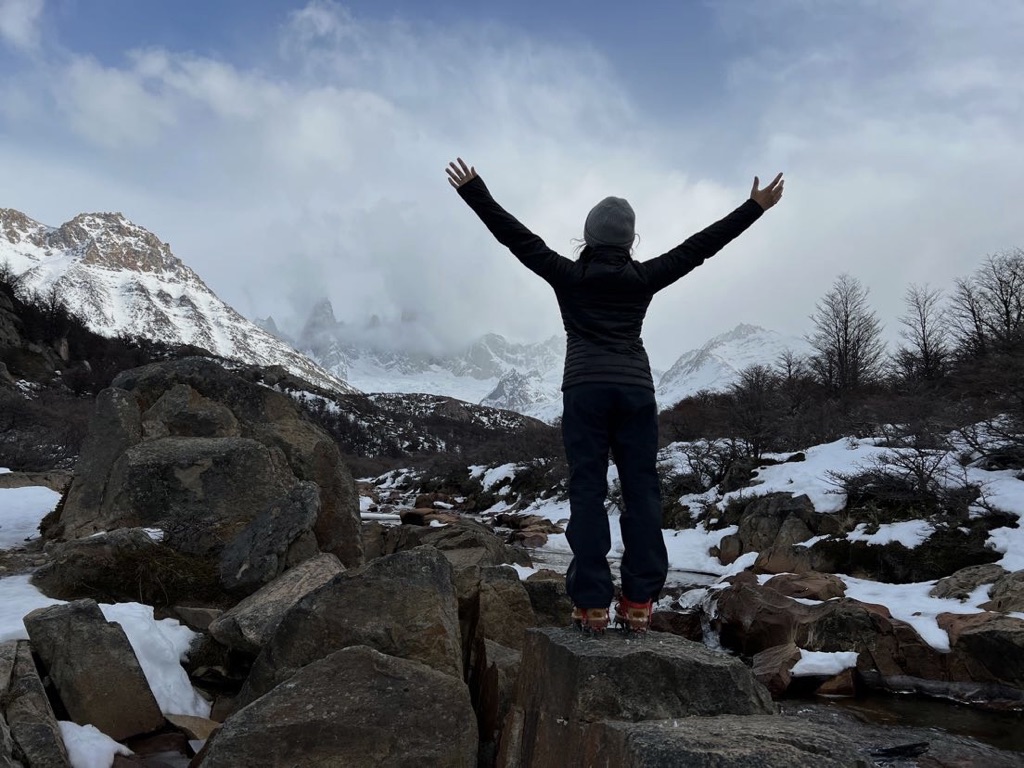
Check out the slideshow, with captions from Karen!


Posted in France, Language Learning | Tagged , , , , | Leave a comment