


Peruvian cuisine is rich in history, culture, and flavor. With Putney Student Travel, students experience these dishes firsthand as part of cultural immersion on our Peru programs, from bustling markets to community kitchens in the Andes. Here are 10 Peruvian foods that represent the heart of the country’s culinary heritage and what our students love to try on our programs.
1. Ceviche
Peruvian ceviche is world renowned and popular along the western coast, where fresh seafood is readily available. The base of ceviche is fish or shellfish cooked, not through heat, but through acid in a citrus marinade and the dish is served cold. This preparation process gives the dish a delicious fresh and tangy flavor which is paired with red onions pickled in the same marinade.
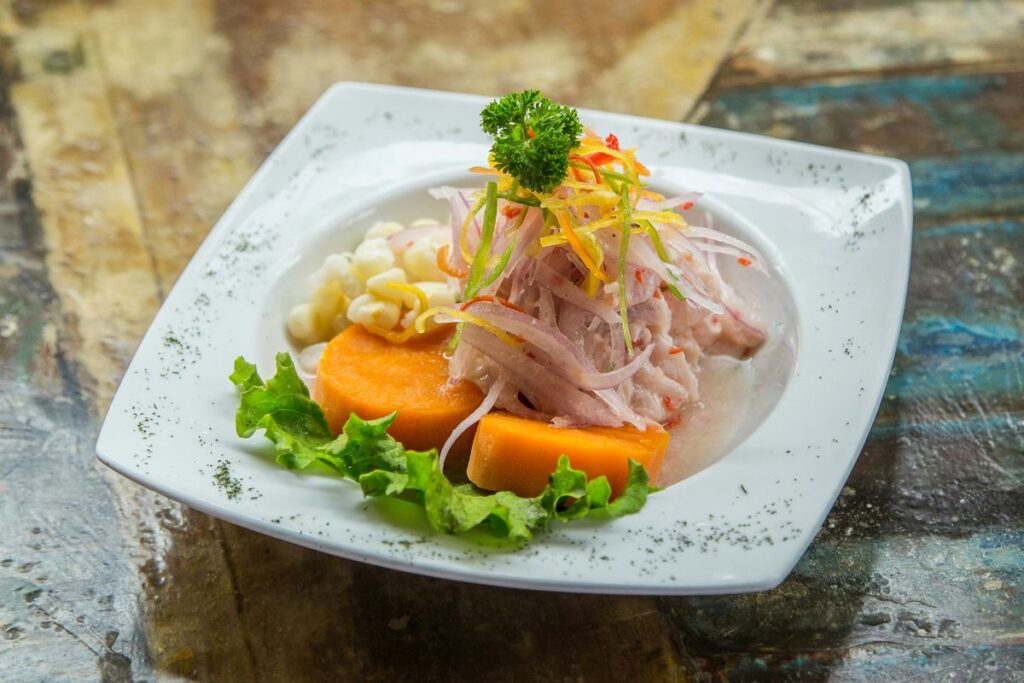
Many coastal countries have some version of ceviche. A uniquely South American component is the addition of ají, a pepper that comes in many varieties and spice levels, all of which are central to Peruvian and Andean cuisine. Peruvian ceviche is typically served with a side of boiled Andean sweet potato and both boiled and toasted Andean corn. The subtle creaminess of the sweet potatoes and corn balance the citrus of the seafood and the spice of the ají in this delicious and refreshing dish.
2. Pachamanca
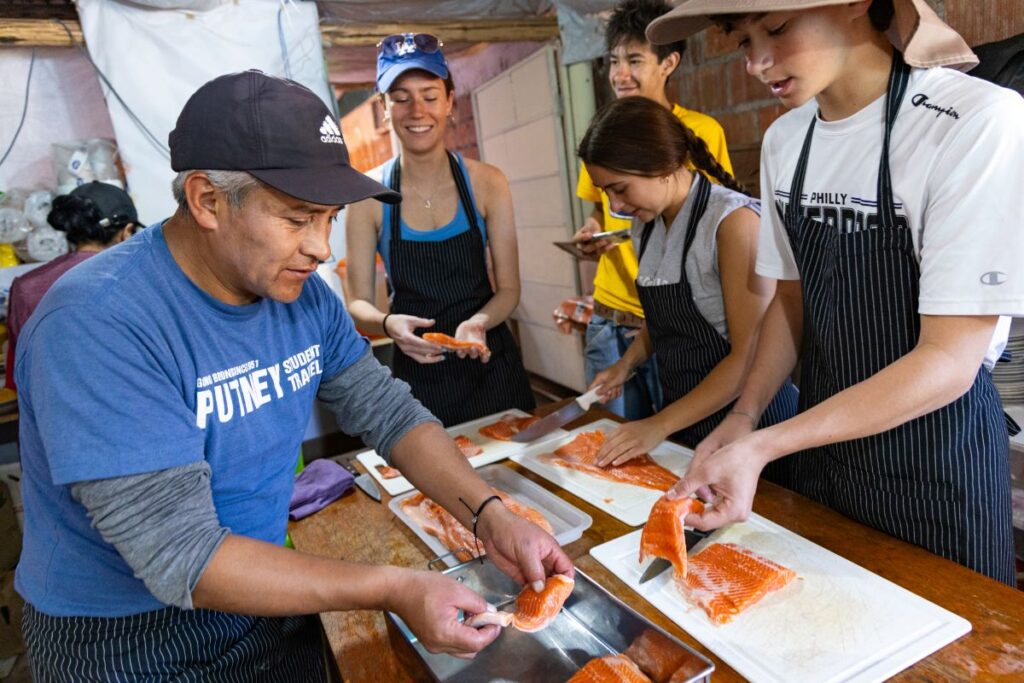
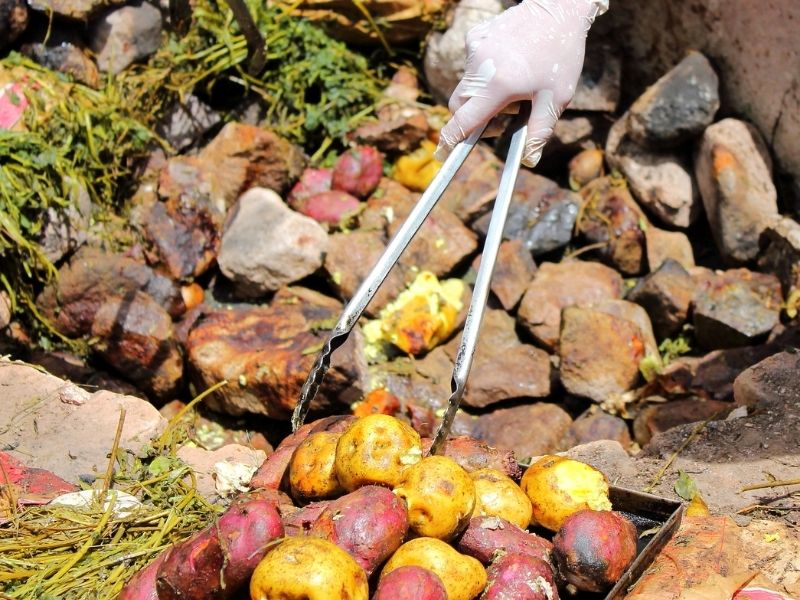
Pachamanca is an Andean pit barbecue and is as much a social event as it is a dish. The name comes from the Quechua words pacha, loosely translating to earth, and manca, meaning cooking pot. Pachamancas are prepared in an inground oven by heating river stones for hours over a fire and then burying a variety of marinated meats, tubers, vegetables, and sweet tamales called humitas along with these white hot river stones. It then cooks for about an hour underground, sealed by banana leaves and packed earth.
The food comes out having steamed and smoked in the flavors of the marinade, consisting of ají paste and a variety of Andean herbs including huacatay and chincho. Pachamancas are laborious, all-day events and are usually prepared for a large group on special occasions. On our Peru programs, students participate in a pachamanca during a visit to a local weaving collective while learning about highland traditions and how food connects to community life.
3. Chaufa
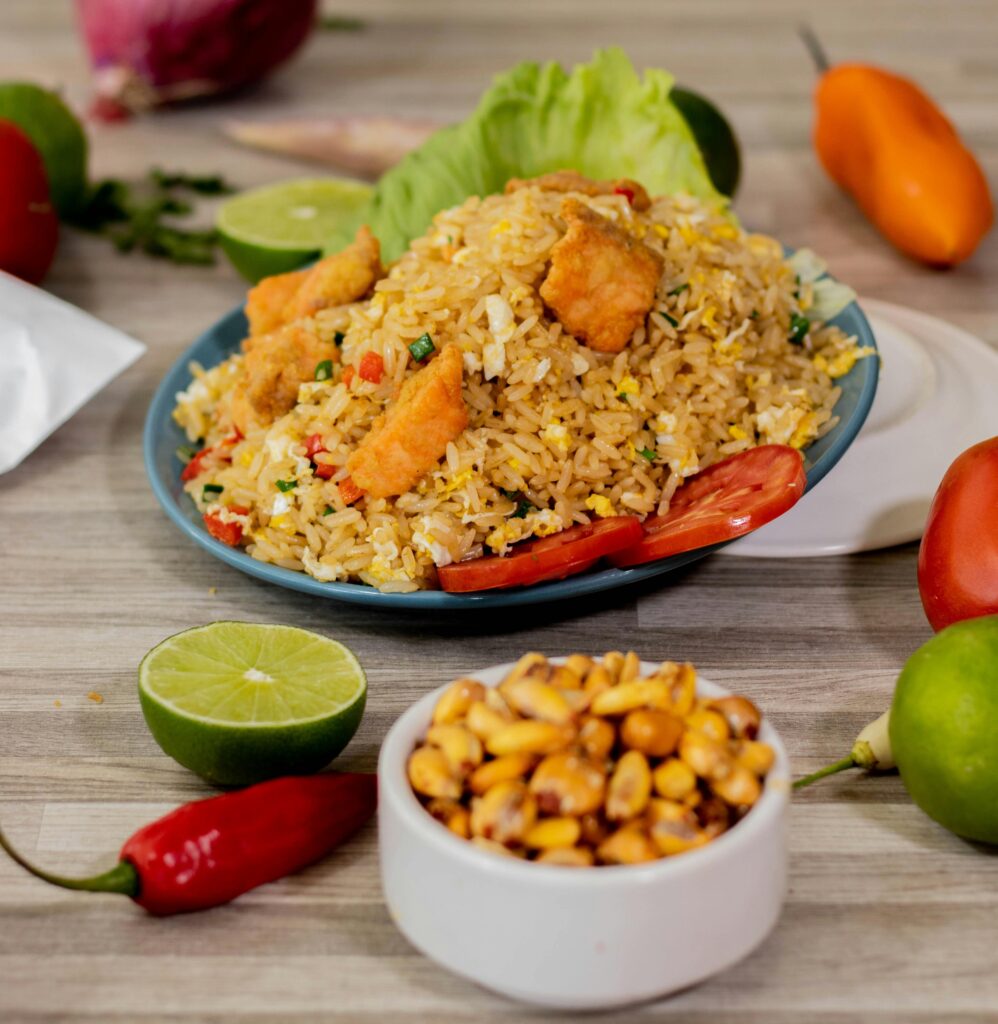
You may be surprised to see fried rice on a list of Peruvian dishes! Chaufa, or fried rice, is a staple of the Chinese-Peruvian fusion cuisine known as Chifa, hugely popular in Peru. Chaufa is sometimes considered one of the national dishes of Peru, so common that you are likely to find it on the menu in almost any small family restaurant across the entire country, whether they are Chifa restaurants or not.
Chinese influence has made its way into most South American cuisines: many countries have variations of the dish chǎo fàn (fried rice in Mandarin), chaufa in Peru, chaulafan in Ecuador, chaufan in Argentina, etc. Enjoy this classic comfort food with Peru’s equivalent of salt and pepper, a lime wedge and ají sauce, found on every dining table.
Curious how students experience Peru beyond the plate?
From markets and family-run kitchens to shared meals with community partners, Putney students experience Peru through culture, language, and community connection.
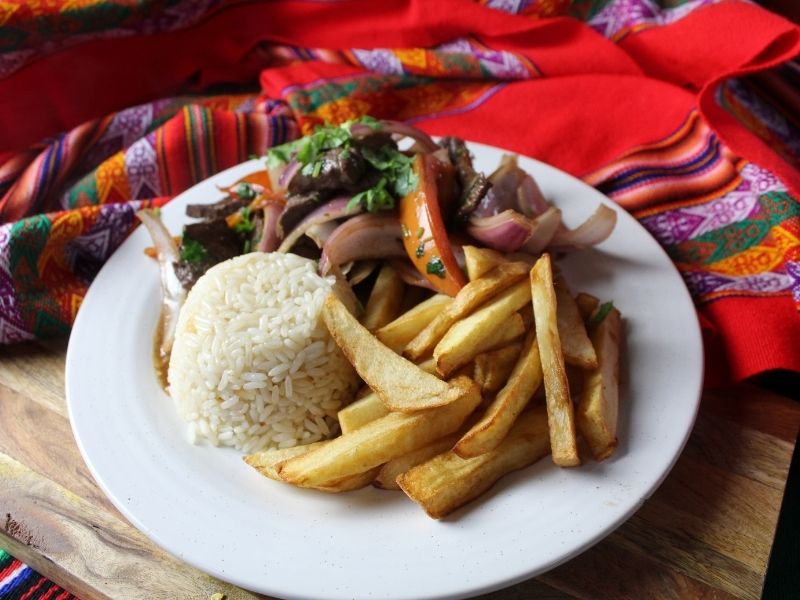
4. Lomo Saltado
Lomo Saltado, stir-fried beef, is a classic Peruvian dish with Asian influence. Strips of beef, red onion, yellow aji, and tomatoes are sautéed in a sauce made from soy sauce, ají paste, garlic, ginger, and other spices. The stir fry is served on top of rice and fried potatoes. This trio–a saucy entree with rice and potatoes, either boiled, pureed, or fried–are the foundational building blocks of most Peruvian dishes. Similar to chaufa, this flavorful dish has strong Asian influence in the ingredients and preparation style and is served in a classic Peruvian way, with both rice and potatoes and the usual sides of lime and ají.
5. Mazamorra & Chicha Morada
Mazamorra morada (purple pudding) is a maize pudding made from Andean purple corn, thickened with potato or corn starch, sweetened, and flavored with cinnamon and cloves. There are many types of mazamorras in Peru, not all of them are sweet, but mazamorra morada is served as a popular dessert, often alongside arroz con leche (rice pudding).
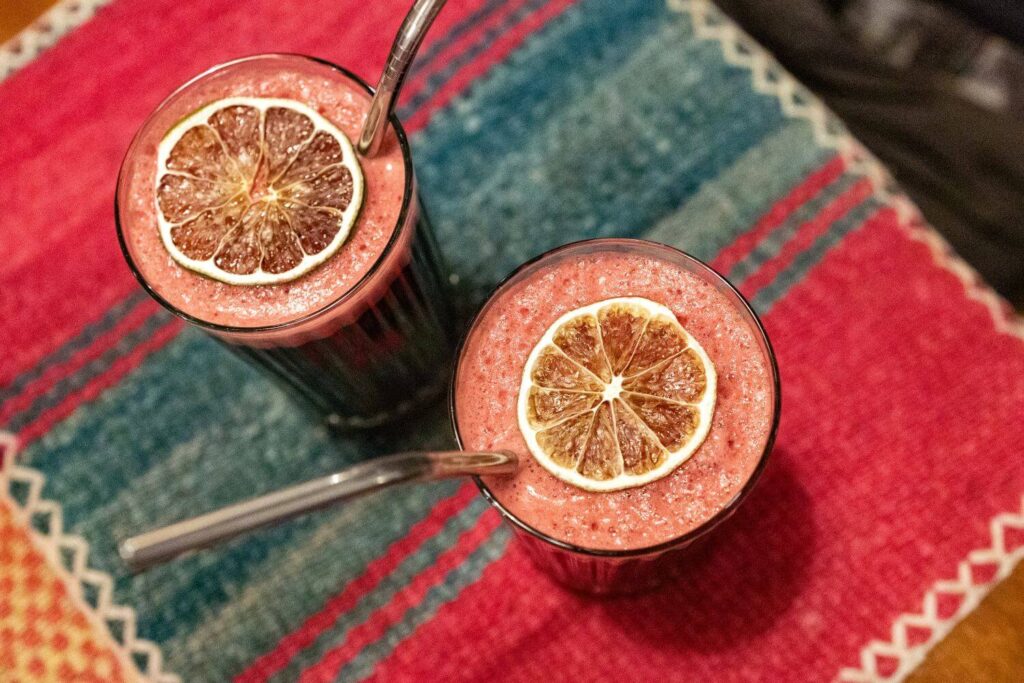
Andean purple corn is also the main ingredient in the very popular drink chicha morada. Chicha is a traditional drink in the Andes made from corn, commonly translated as corn beer, though chicha morada is a non-fermented chicha and is non-alcoholic. Chicha morada is a sweet soft drink made from boiling dried purple corn with cinnamon sticks and often dried or fresh fruit such as oranges or pineapple. Both the pudding and the drink take on a beautiful deep purple color from the corn, where they both get their name.
6. Aji de Gallina
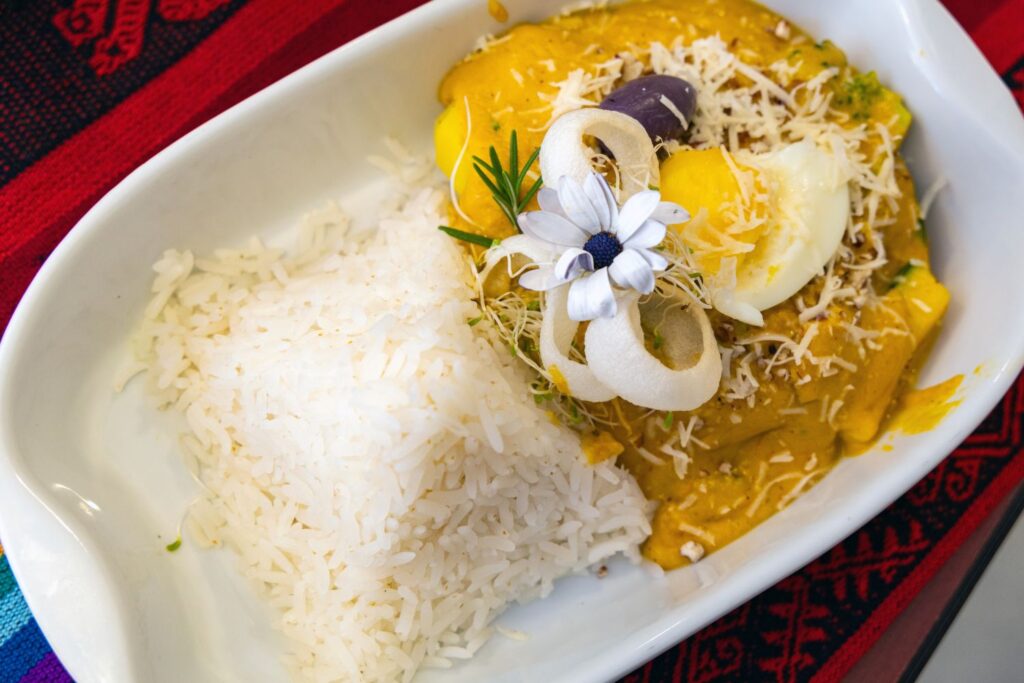
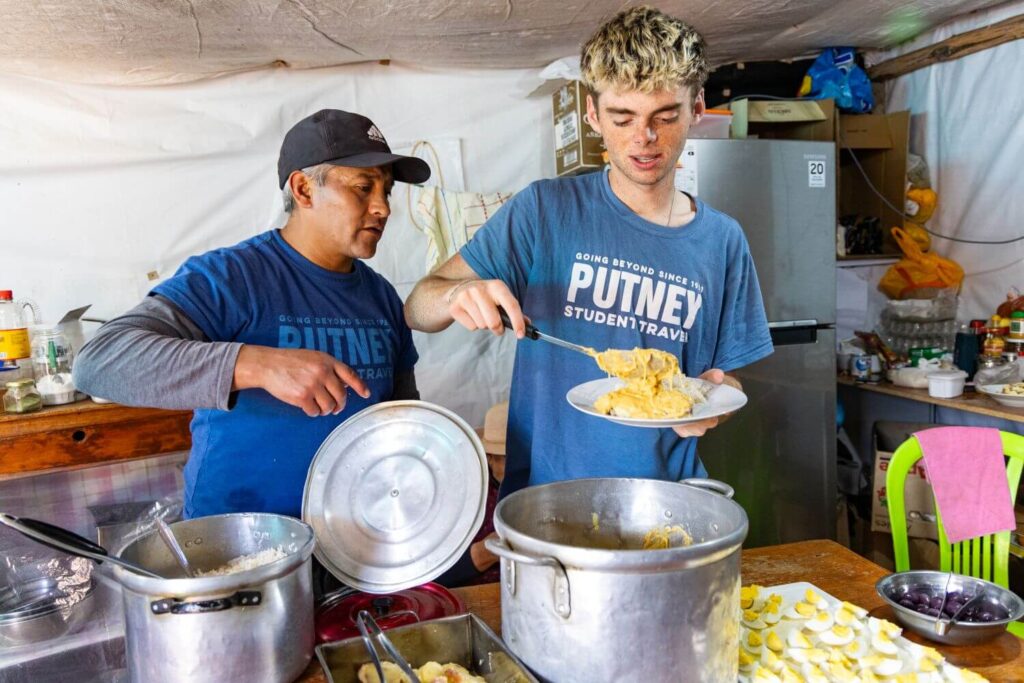
This dish features the Andean chili pepper, ají. The pepper’s flavor is rich and it serves as an ingredient in almost all traditional sauces, marinades, and sofritos in Peruvian cooking. Ají de Gallina (gallina means hen) is made with a creamy sauce made from yellow ají pepper, onions, garlic, a fresh and tangy goat or cow’s cheese, evaporated milk, and it is thickened with blended soda crackers. The sauce is poured over shredded chicken and served over rice, with a side of boiled potatoes, a few olives, and a hard boiled egg.
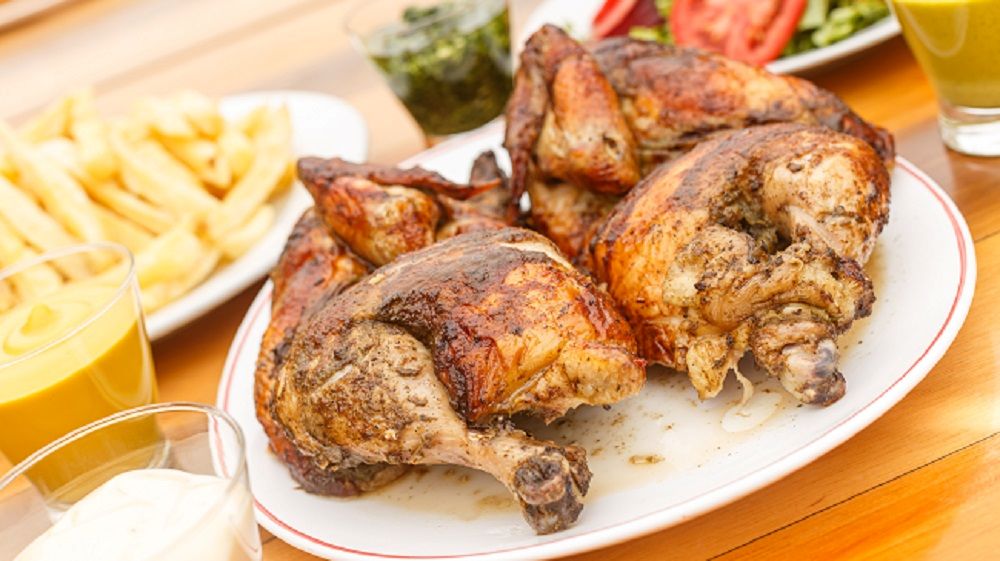
7. Pollo a la Brasa
Pollo a la brasa, Peru’s rotisserie chicken, is served with french fries, a salad, and a variety of dipping sauces including ketchup, mayo, and a creamy ají sauce. Pollo a la brasa restaurants line Peruvian streets from cities to small towns and are a classic hub for family outings or celebratory dinners. The roasted chicken is seasoned with a unique blend of herbs and spices, including Peruvian ají, giving the dish an umami flavor that you can’t find anywhere else.
Pollo a la brasa is a favorite among our students in Peru, arriving from a road trip through the mountains to the cozy and aromatic brasserie for a hearty roast chicken dinner served family style.
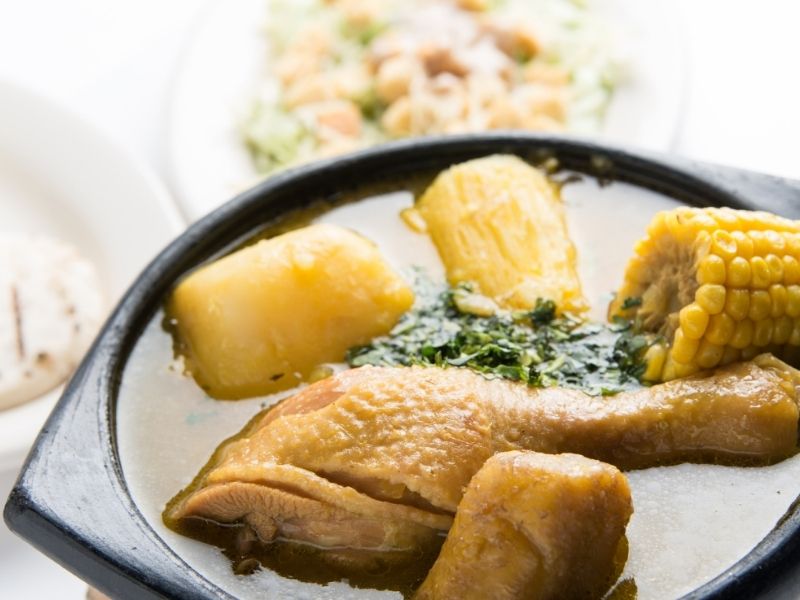
8. Caldo de Gallina
Yes, the third dish in a row that features chicken! Chicken in Peru is particularly tender and flavorful. Peru is also famous for its soups and broths, known as caldos. This soup is traditionally made specifically with broth and meat from a gallina, a hen, though the hen is often substituted for a younger chicken for more tender meat. This deliciously simple dish is a variety of chicken noodle soup with a chicken broth base, al dente noodles added right before serving, a piece of bone-in chicken, potatoes or yuca, and a hard boiled egg. The soup is served with a side of crunchy cancha (toasted corn), lime wedges, and scallions. Caldo de gallina is the ultimate comfort food!
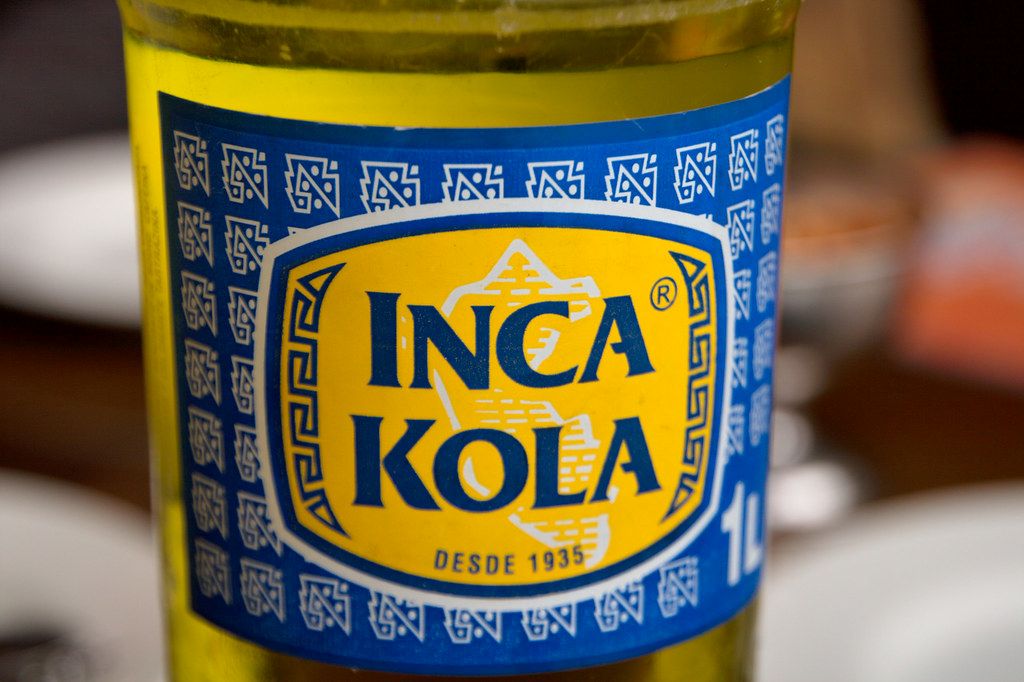
9. Inca Kola
This classic soda is a staple across all of Peru. Inca Kola is a vaguely bubblegum flavored soft drink and it is sweet sweet sweet! Nothing beats the heat of the highland Andean sun like sharing an ice cold 2L bottle of Inca Kola with friends.
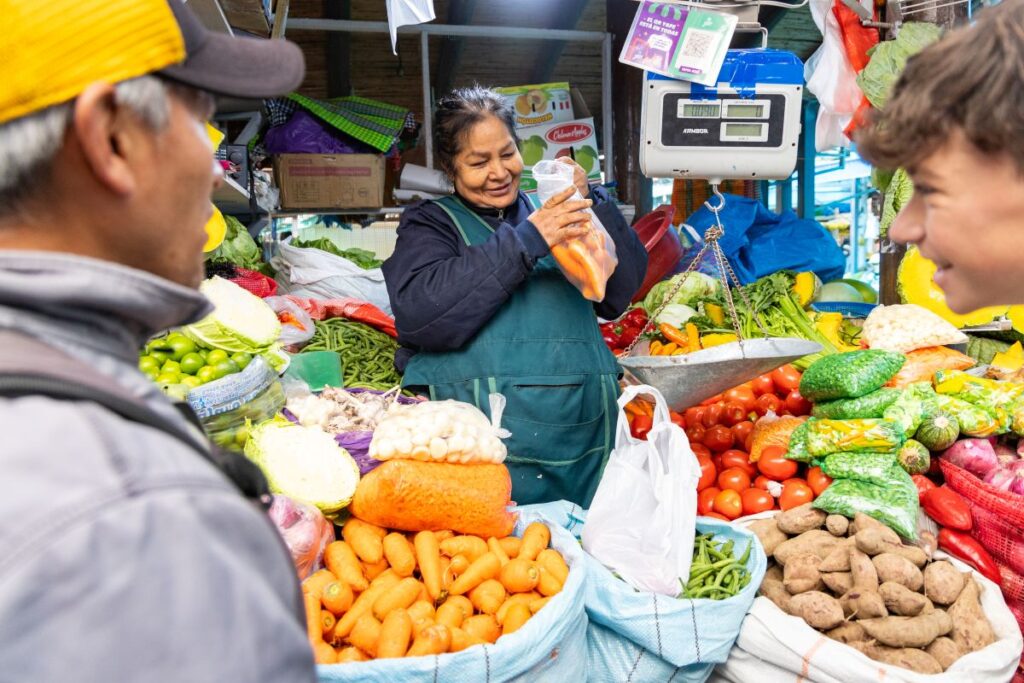
10. Fruits and Veggies
While the elaborate sauces and cooking methods in Peruvian cuisine often catch our attention first, some of the most exciting foods to try in Peru are the incredibly varied fruits, vegetables, and other crops that are grown locally in each region of the country. Get ready to try new versions of foods you know well and maybe even some you’ve never heard of before!
Explore some of Peru’s 4,000 varieties of potatoes and tubers that grow at the different ecological zones throughout the Andes mountains. Try the big-kerneled corn, called choclo, with a subtly sweet flavor served boiled, steamed, toasted, fried, or made into tamales or humitas! Have you ever tried granadilla? A sweet and tangy fruit, similar to a passion fruit, with a hard exterior protecting the delicious pulp inside. What about chirimoya, lúcuma, tumbo, tuna (not the fish), pacay? There’s so much to try!
Bonus: Cuy (Guinea Pig)
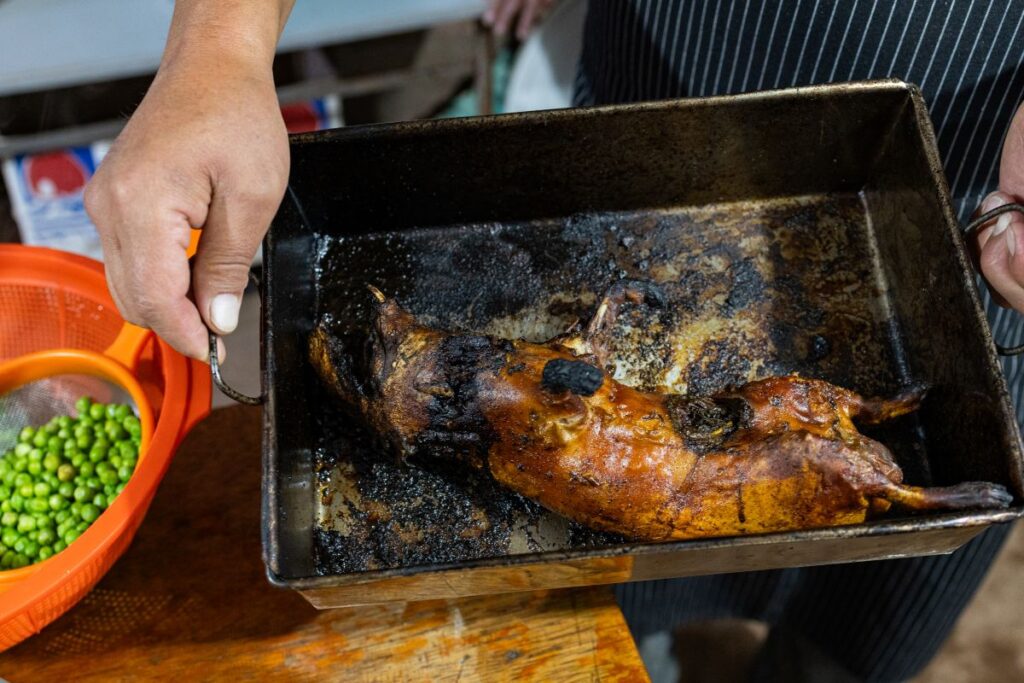
Last, but certainly not least, we would be remiss without mentioning cuy, or guinea pig, a traditional Andean delicacy. Known for its lean and nutritious meat, the taste of cuy is best likened to rabbit or chicken. Raising these animals for food is a common practice for many Peruvian families, but serving cuy is generally reserved for special occasions like public events, a celebration, or a family gathering. Cuy can be prepared many ways: roasted, deep fried, grilled, or stewed and accompanied by a number of traditional sauces and seasonings.
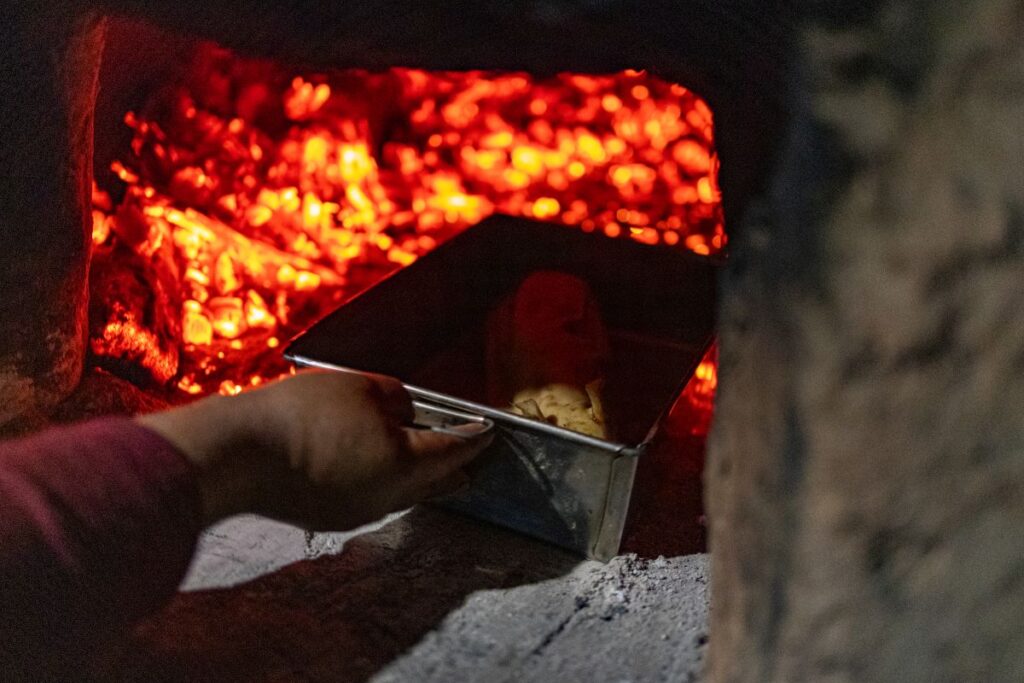
During our Peru programs, Putney groups often close out their time in the host community with a lively celebration and feast featuring roasted cuy. Students learn to prepare the dish and, after enjoying it, they compete in the traditional game of finding the elusive zorro bone, a tiny bone said to be shaped like a fox hidden deep in the skull.
Want to experience Peru with Putney Student Travel?
From tasting local cuisine in lively markets to learning from community members, our programs make culture come alive.