

Program Directed by
Ed Thanhouser
If you have questions or would like to talk further about this program, please get in touch!



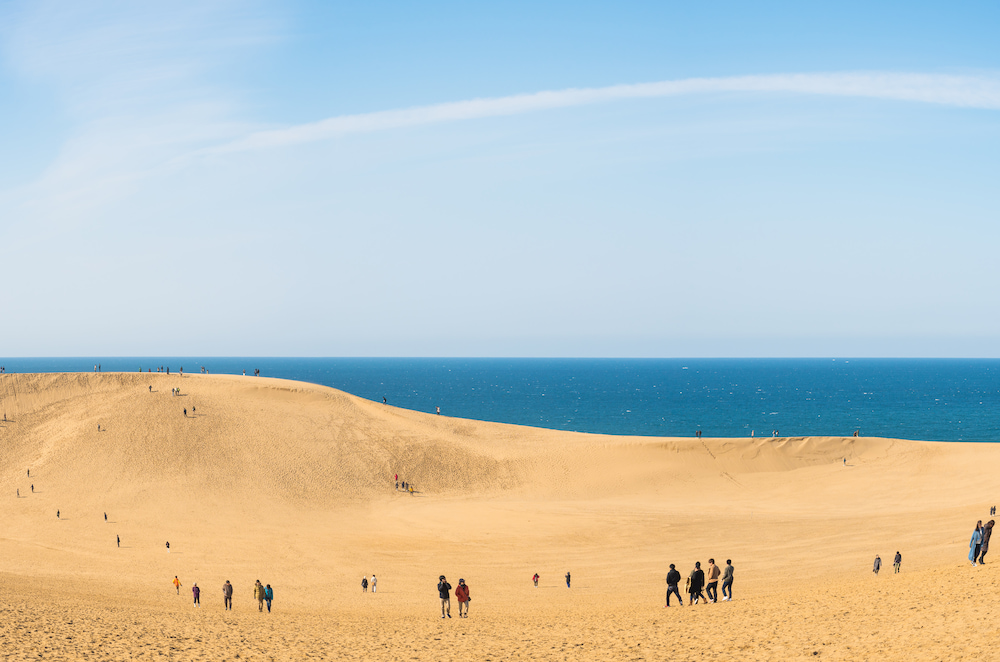
Meet your fellow student travelers and one or more of your program leaders in Los Angeles, California, and fly together to Tottori, Japan. To learn more about how we organize travel, click here.
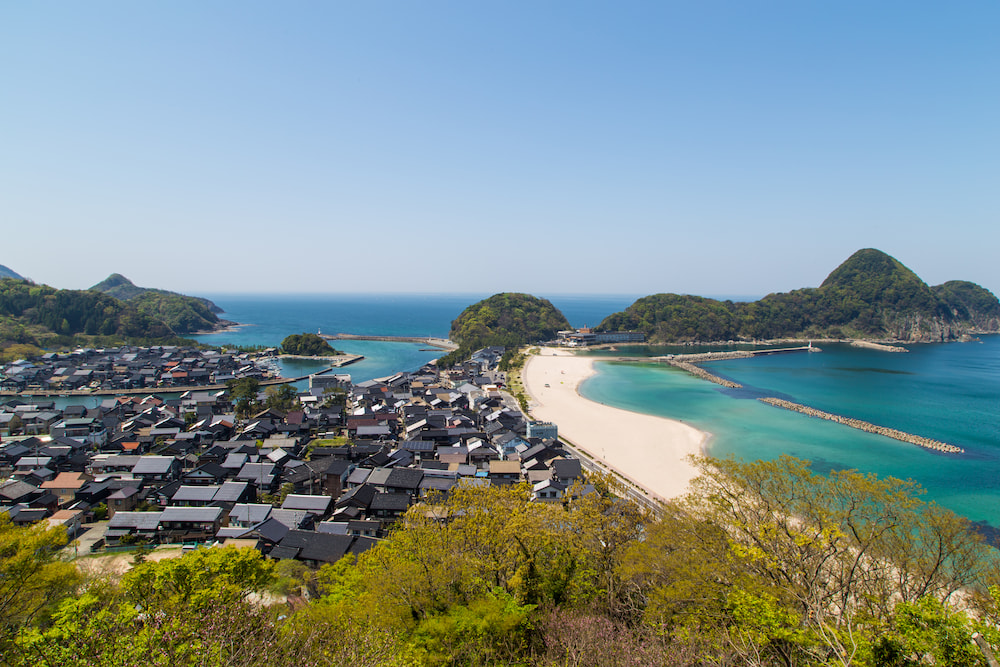
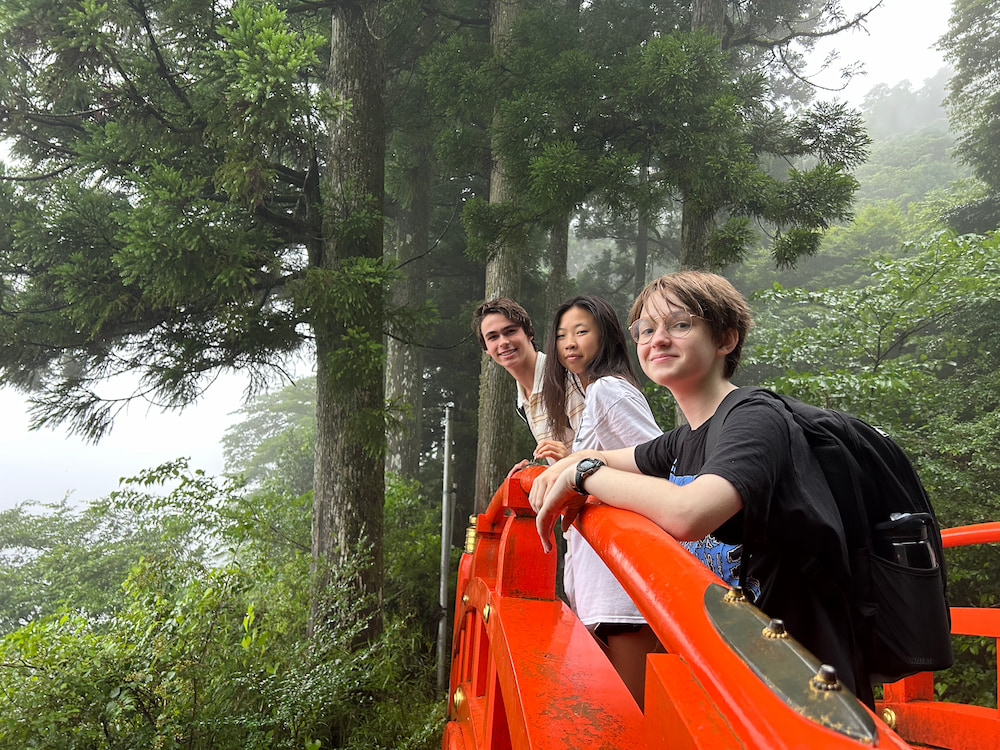
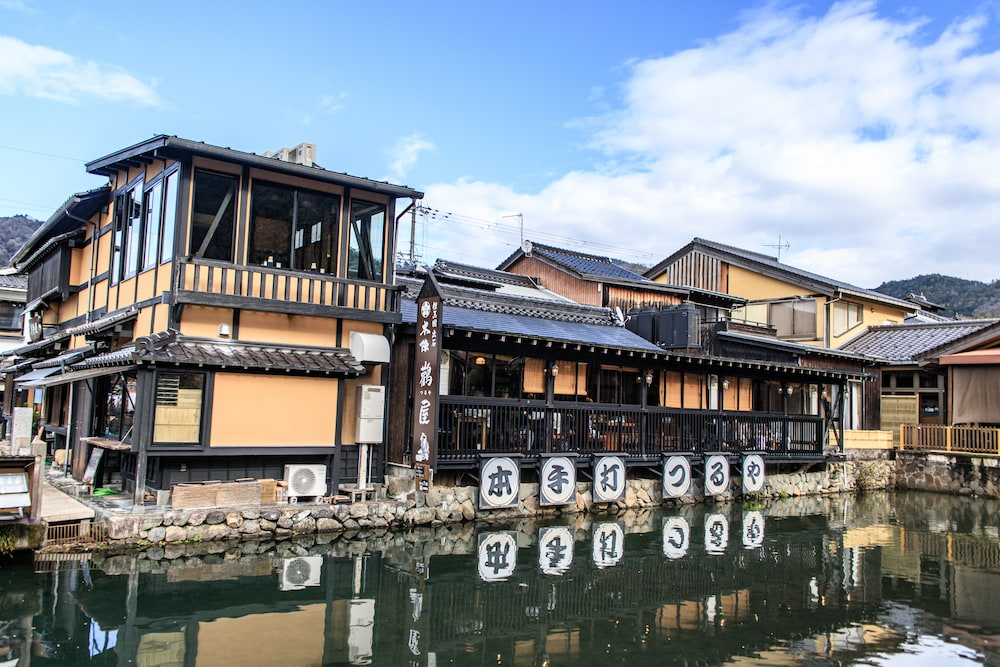
Begin your program in the rural area of Hyogo known as Tajima, and get to know your group through an in-depth program orientation. Meet your local guide and coordinator, and embark on daily adventures to the beaches, artisans, and hot springs that make the area famous among domestic visitors. Make local specialties like soba and onigiri, and participate in activities with Japanese junior high-school students. Weave your own straw-craft basket and learn to meditate with a local monk. Explore rice paddies and talk about eco-friendly agriculture with conservationist-farmers who have successfully brought the local stork back from the brink of extinction. Hike the Kannabe highlands, snorkel in the Sea of Japan, and soak in natural hot spring waters.
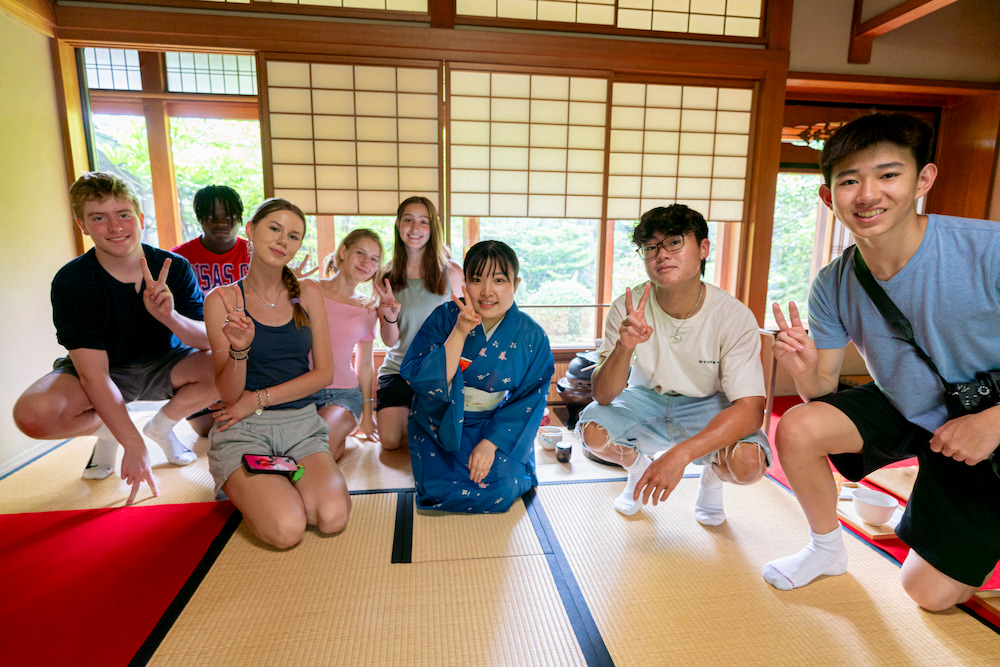
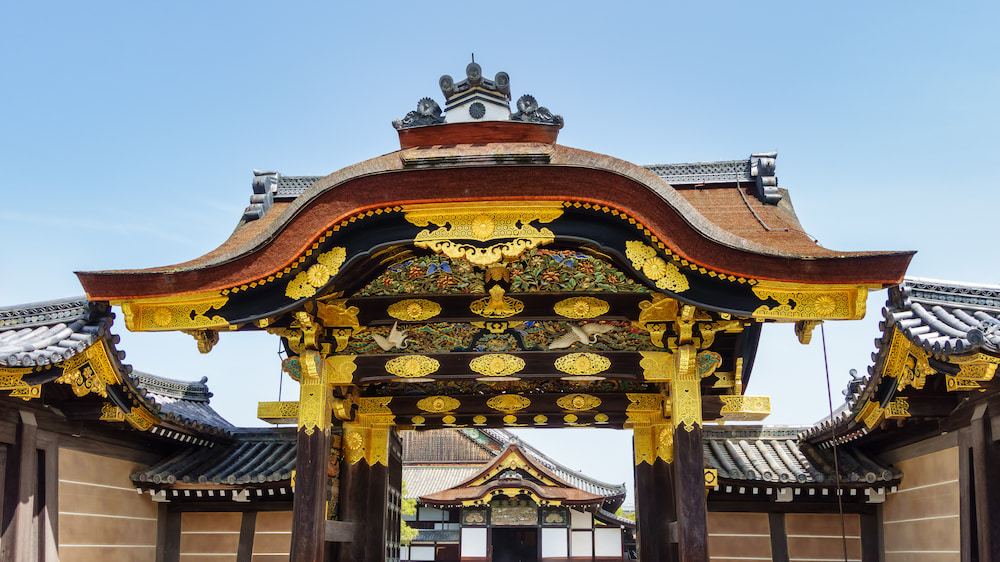
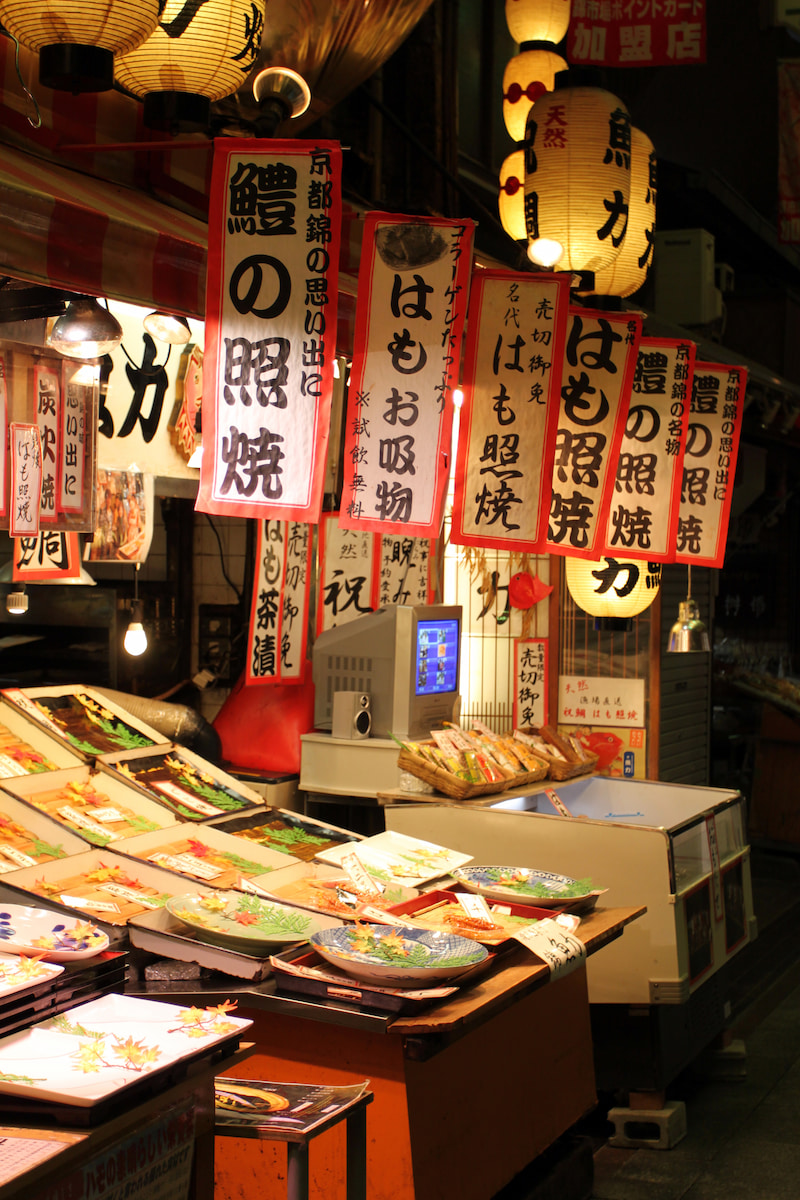
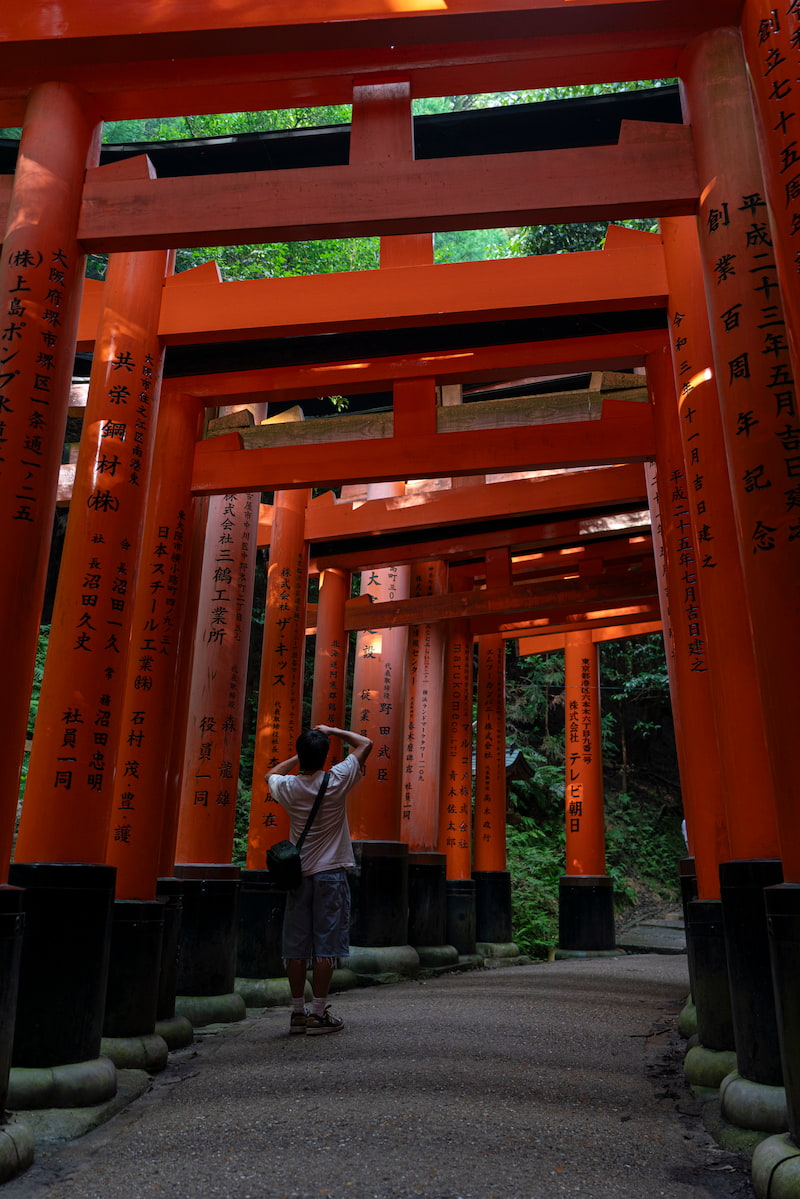
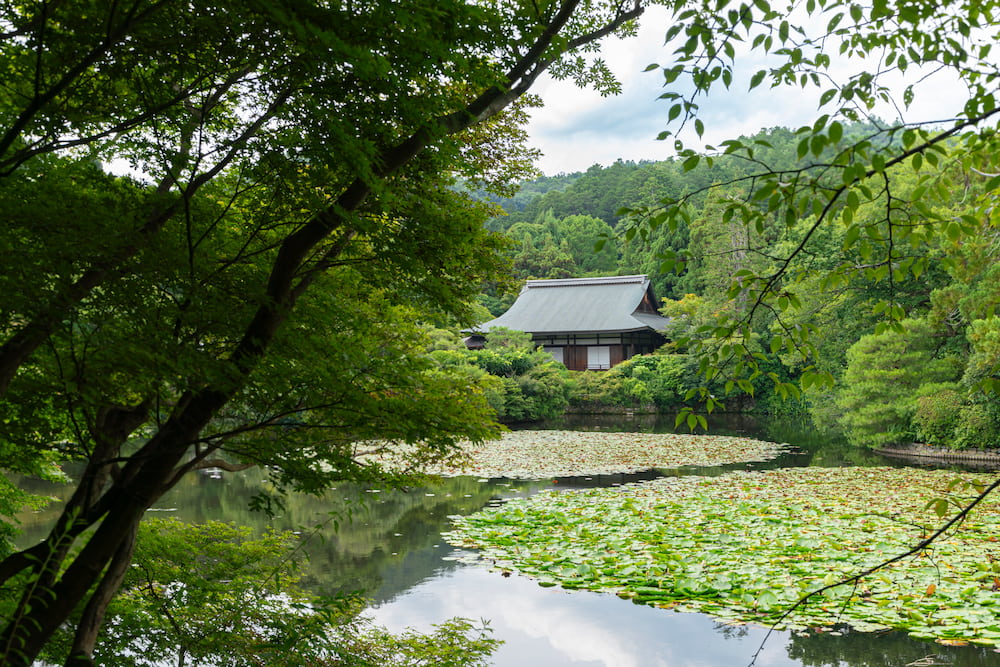
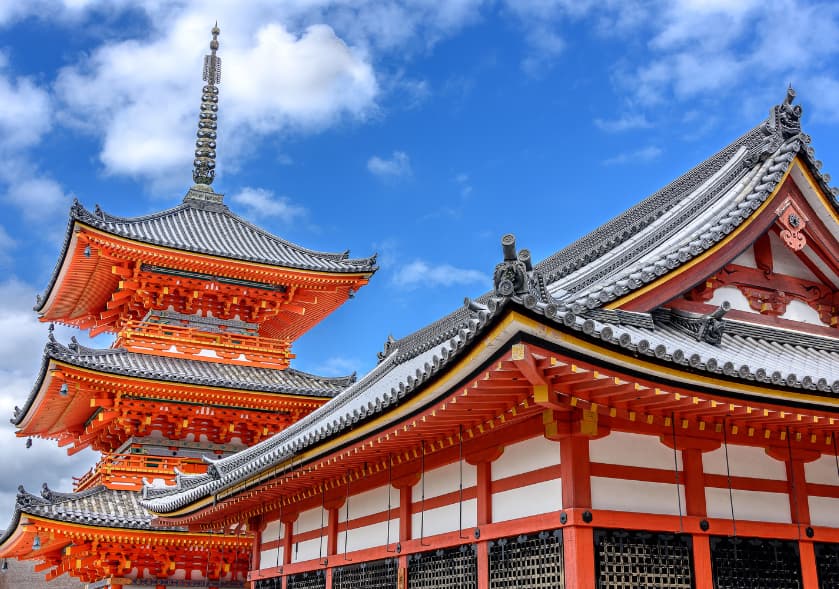
Head to Kyoto, the former imperial capital of Japan, home to more than 2,000 shrines and temples. This major urban hub is an incredible mix of modernity and history, rich in cuisine, history, beauty, and luxury. Try some traditional shimesaba oshizushi, stroll the shops along the Kamo river, and experience a traditional chadō tea ceremony next to Ryoanji’s famous rock garden. See spectacular views from the stage at Kyomizu Temple, Mount Hiei or Fushimi Inari Taisha. Take in the delicious aromas from the food stalls at Nishiki Market, and explore Samurai life Nijo Castle.
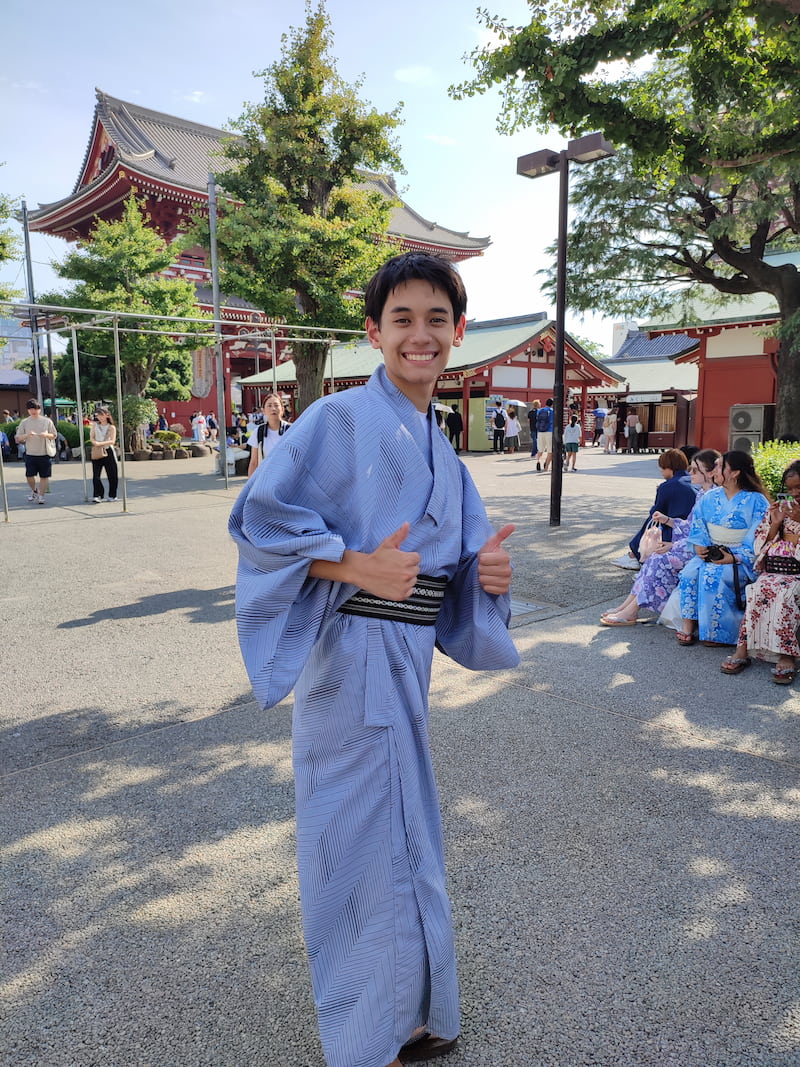
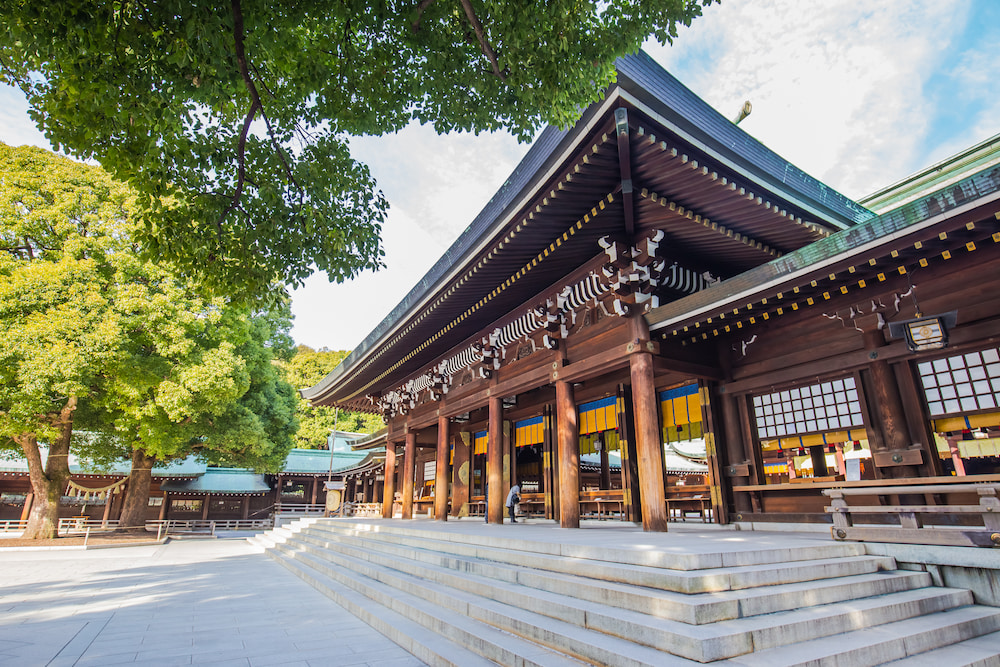
Step off the bullet train to the bustle and neon-soaked majesty of urban Japanese life in the mega-city of Tokyo. Celebrate the end of your journey at iconic spots in Japan: Meiji-Jingu and Harajuku, Toyoosu fish market, Sensō-ji, and more. Travel by ferry to the Odaiba district to explore cutting-edge technology and robots at the Miraikan Museum, and experience an immersive digital art and light world at teamLab Planets. For a dose of Japanese pop culture, head to Nakano Broadway—Tokyo’s main anime and manga district—to take a drawing lesson from a professional artist, and explore the nearby specialty shops, otter cafes, and themed restaurants. Spend your last night on a river cruise dinner and sing your heart out in a private karaoke booth before bidding sayōnara to Japan.
Fly from Tokyo, Japan, to Los Angeles with your group and a leader, then continue on to your final destination. To learn more about how we organize travel, click here.
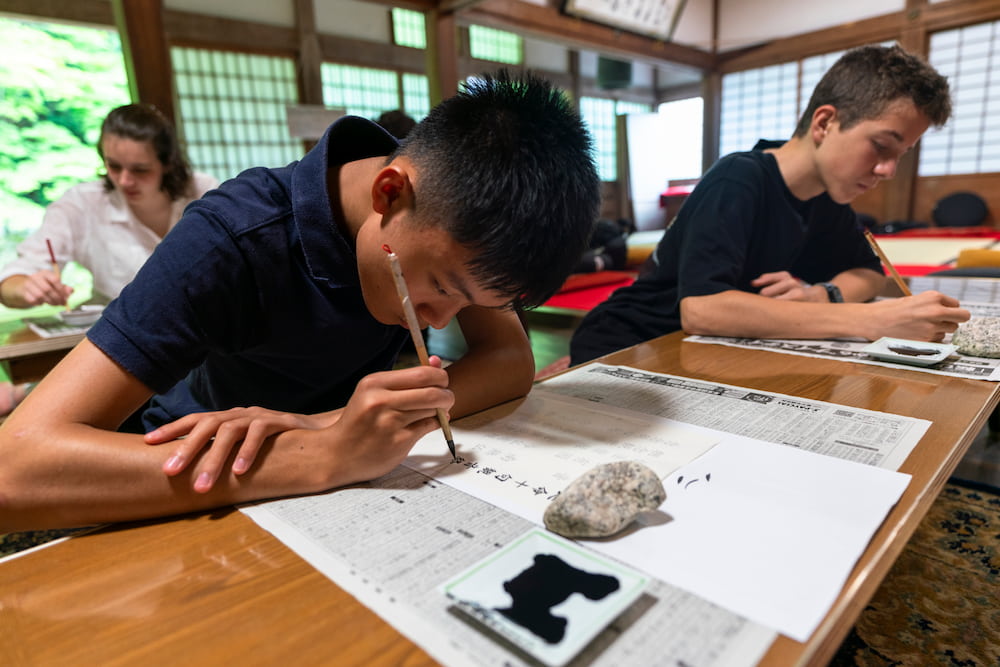
Putney’s Japan middle school program focuses on cultural immersion and engagement with Japanese people and Japanese culture. The best cultural experiences are done alongside local people, and so this program puts hands-on activities and cultural exchange at the forefront, rather than focusing on sightseeing. Putney students learn directly from Japanese people about traditional food, craft, and cultural heritage.
To help students fully engage and immerse themselves in the Putney travel experience, we do not allow use of cell phones, tablets, or laptops on our Middle School programs. Students may have their cell phones during travel to and from the program. During in-country orientation, leaders facilitate a call home, then collect and securely store all phones until departure day. Throughout the program, students have the opportunity for a weekly call home according to a pre-arranged schedule. For more details, please see our FAQ.
Proficiency in Japanese is not required on our Middle School Exploration Japan program. However, if you study Japanese in school, you will have opportunities to practice while communicating with local people. If you don’t speak Japanese you will have the opportunity to learn some basic language skills.
All students on Putney programs pursue an independent project as a way to more deeply engage with aspects of local culture that are of particular interest to them—in Japan, you might make a detailed photo journal of unique snack foods and review them, write a haiku for each destination, learn origami, or make a recipe book of the local specialties from each destination.
This is a moderately active summer travel program. This program travels primarily by public transportation and thus includes a lot of city walking. Additionally, there are opportunities for swimming, bicycling, and hiking. You do not need to be at peak fitness to participate, but it is important that you have a desire to be physically active, and that you are excited about trying all activities.
The group stays in both traditional Japanese settings (Tattami mats, futon mattresses on the floor) and western-style hotels during the program.
On our Middle School Exploration Japan program, students eat the majority of meals at local restaurants. There are also cooking workshops where students can try their hand at making traditional foods. Fish, rice, and vegetables are common foods in Japan. Students have a wide variety of options to choose from, including western dishes and popular foods like ramen, udon, yakitori and sushi.
Our Middle School Japan program is designed for curious, adventurous middle school students (grades 6–8) who love to explore and experience new cultures. Students who love Japanese food or cultural exports like Manga and Anime will also enjoy this program and have the opportunity to deepen their understanding of Japan. Students who love history and/or Japanese language will have ample opportunities to explore the country’s rich history and heritage. Students will have the opportunity to see both rural and urban Japanese life, making for a well-rounded introduction to the country.
Japan has become one of the most popular destinations in the world in the past 10 years, but visitors are often funneled into crowded, tourist-heavy destinations. The less-traveled side of Japan is far more rewarding, and our local contacts make our connection to the communities we visit both more memorable and more fun for students, creating a totally unique and unmatched experience.
Japan is a truly unique destination. The cultural differences in Japan are stark, when compared to European destinations, for example. Japan is an island nation with a 2,000-year history as a monocultural nation. Student experiences in Japan tend to be far outside their normal experience, which leads to eye-opening cultural lessons and life-changing challenges on this middle school program.
Students only need to bring their curiosity and an open mind for our Middle School Exploration Japan program. Japan is an incredibly welcoming place, but it is very different from the west, and requires students to be flexible and willing to try new things.
Students emerge from our Exploration Japan middle school program more resilient and worldly. Their experience of a culture that exists beyond many western norms and conventions often radically alters their world-view, and opens up new possibilities in their imagination. This program also teaches students how to make friends across cultural and linguistic barriers. It challenges them to try new things and be adventurous, builds confidence as young travelers, and broadens their perspectives as they look toward their future.