These programs award Certificates of Completion from Oxford Academia, Harvard Chan C-CHANGE, and Columbia Climate School.
*These programs are typically for students in grades 9–12, however motivated rising 9th graders will be considered
Leadership
Each year many Putney alumni students draw on their summer experiences for their college essays, reflecting on how leaping into the new and unfamiliar has helped them grow, changed their perspectives, or sparked a new passion.


These programs award Certificates of Completion from Oxford Academia, Harvard Chan C-CHANGE, and Columbia Climate School.


Jack is an alum of our Middle School Exploration France & Holland, Language Spain, and Service Morocco programs. This fall he’ll be attending the University of Pennsylvania and he drew on his experience in Morocco for his supplement.
* * *
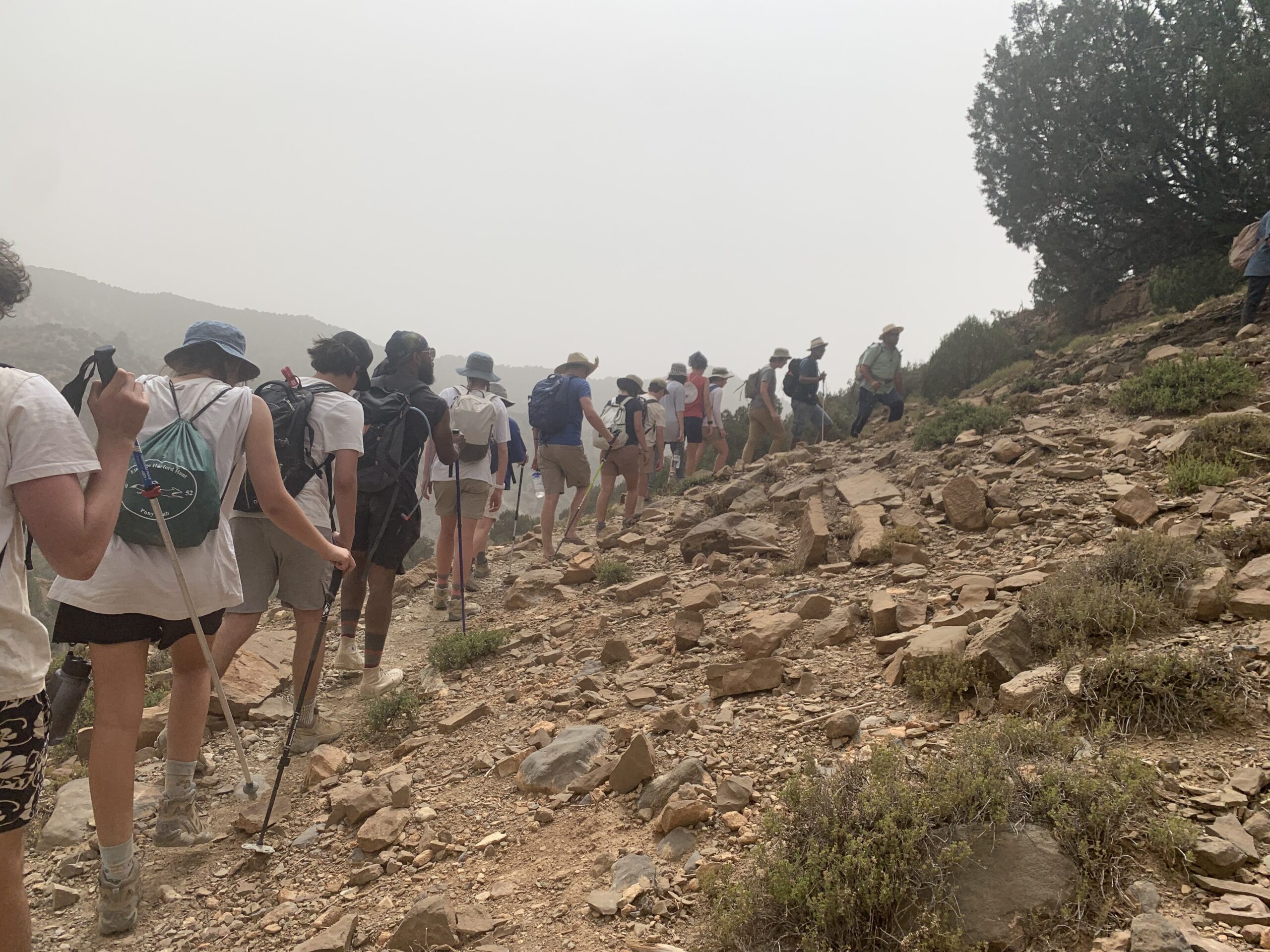
On a service trip to Morocco, my peers and I grappled with the ethics of killing animals and our place in questioning it when we were asked if we wanted to see our food being prepared. A few minutes later, standing inches from a pool of goat’s blood, we watched as a living animal turned into our meal.

Some people ran away, horrified that the cooks could “slaughter” this animal; some claimed that they were very aware of their “place on the food chain,” and I wondered about that thinking’s validity. Modern civilization seems to reject nature, so can we really act according to the “food chain”?

However, it didn’t occur to me that as foreigners we were imposing our own cultural beliefs onto the people of Zawiya Ahansal. What seemed like a quick choice in the meat aisle of the supermarket in the States, was now a more personal dilemma. If killing an animal is absolutely necessary to eat, were they really in the wrong? The cooks challenged our preconceptions by acknowledging the dignity and respect of looking our food in the eye, an experience we hadn’t considered before.

After returning from Zawiya Ahansal, I stayed in the meat aisle a little longer, thinking about where my food was actually coming from. More importantly, I tried to address my complicity in everyday activities. How do I remove myself from the cultural, economic, and environmental impacts I create? What are the perspectives I don’t actively seek out and empathize with?