
Program Directed by
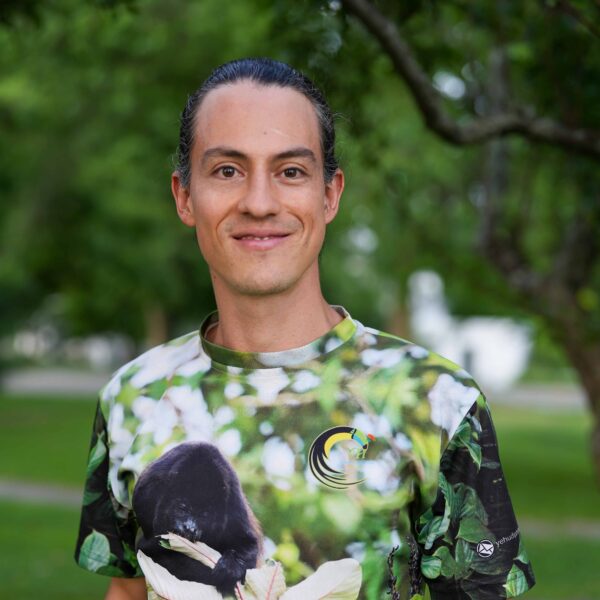
Julian Hartmann-Russell
If you have questions or would like to talk further about this program, please get in touch!



Meet your student travel group and one of your trip leaders in Miami, Florida, and fly together to San Jose, Costa Rica. To learn more about how we organize travel, click here.
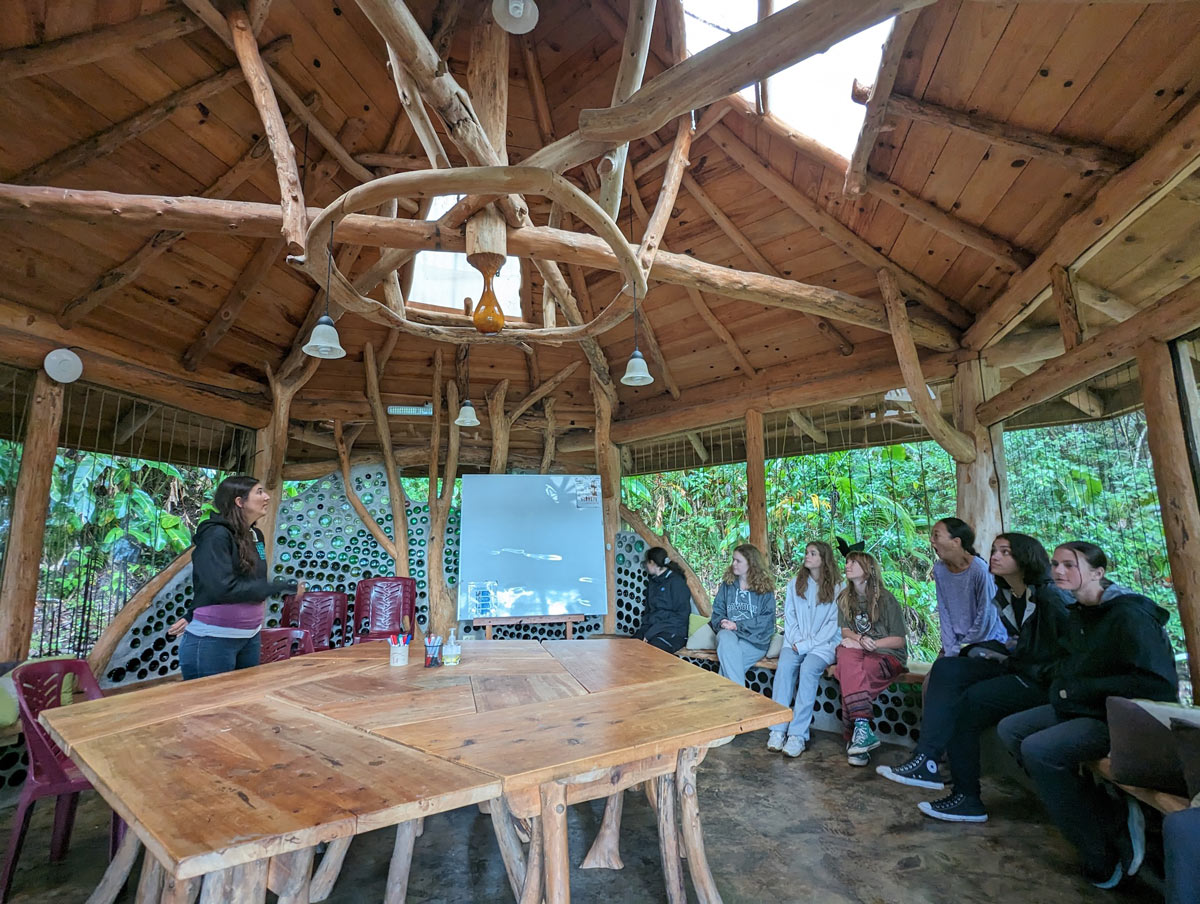
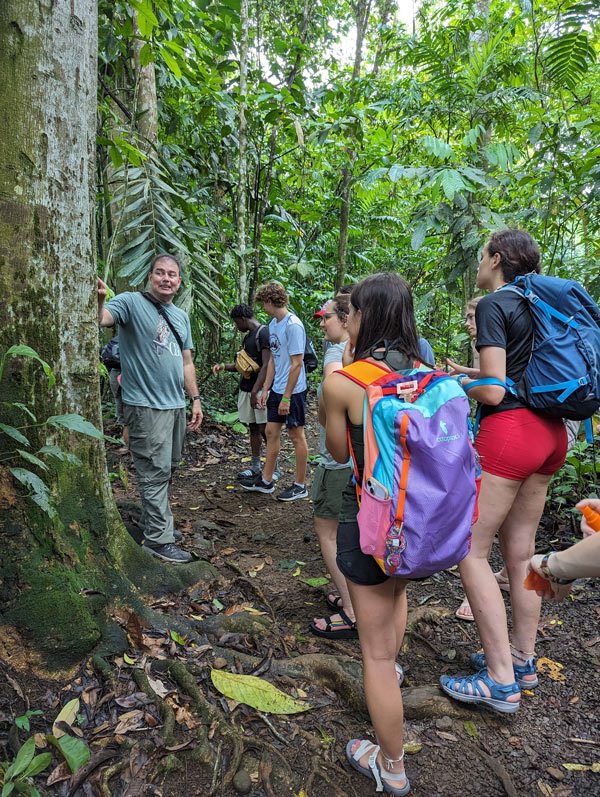
Spend your first three nights at a sustainable ecolodge nestled in the mountainous forest in Mastatal, located halfway between the capital of San José and the Pacific coast, where Putney students have been introduced to Costa Rica’s biodiversity for decades. Get to know your group and leaders, participate in an in-depth orientation, and spend the first few days learning sustainable practices and permaculture design principles, exploring barely touched nature while you prepare for your travels to the Osa Peninsula.
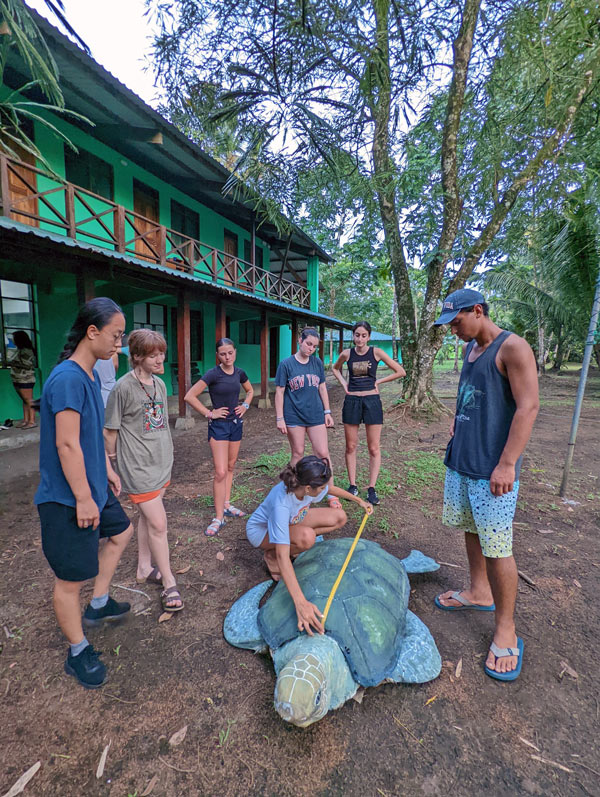
Travel down the western coast to Puerto Jimenez, then continue by bus to a rustic outpost for conservationists. Your Putney Student Travel Expert will join you for this portion of the program, enhancing your experience with their insights and knowledge. Live like a conservationist in a sustainable camp and sleep in a dormitory surrounded by dense forests. Participate in nightly sea turtle patrols to assist conservationists and volunteers and look for tracks, monitor nesting sites, and check for nesting females. Interview local experts and learn about projects aimed at protecting turtles from human impact, light pollution, and changes in the marine environment. Work alongside your Putney Student Travel Expert as you make progress on your independent project.
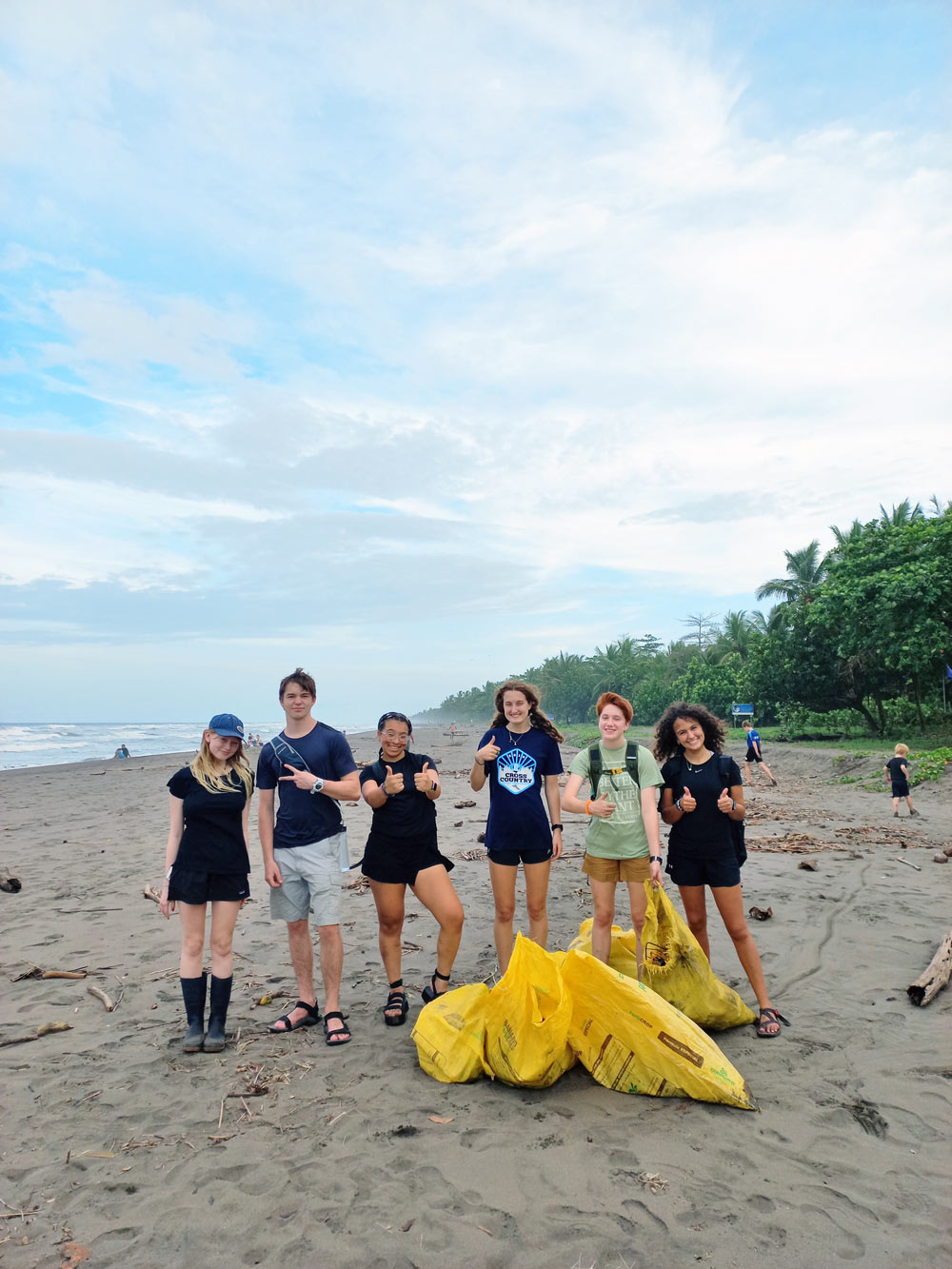
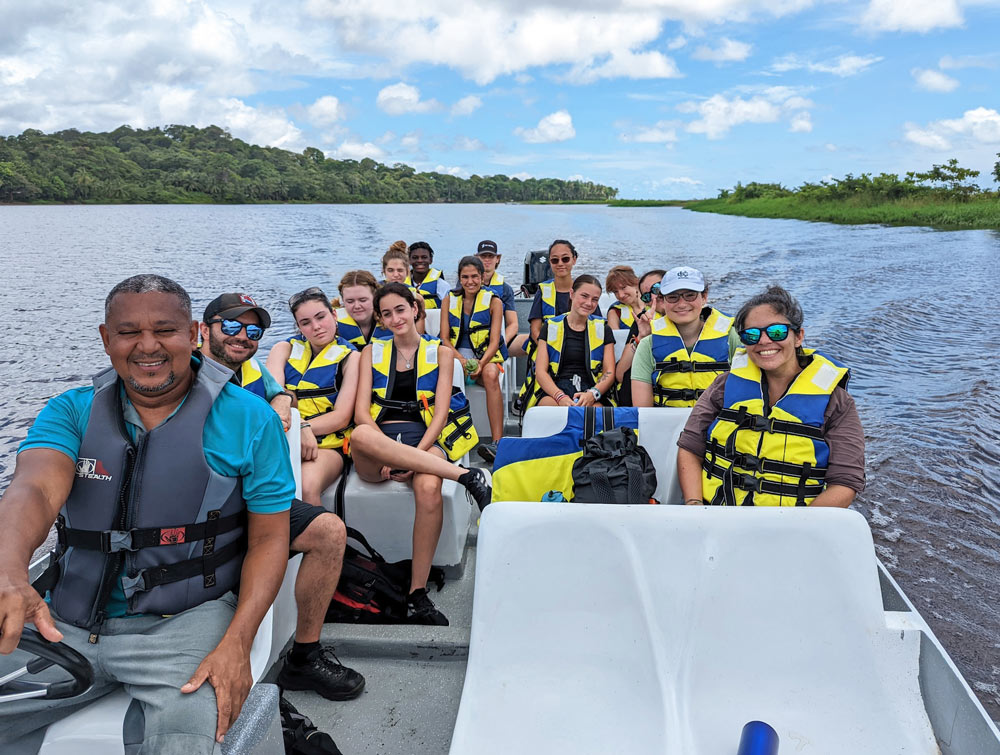
Travel by boat along the Sierpe River to a research outpost near Drake Bay. Take a day trip out to the Caño Island Marine Reserve to snorkel and observe Costa Rica’s marine habitat, and learn about the country’s ocean conservation initiatives. Hike trails with conservationists and document bird sightings, then participate in a beach clean-up. Explore tide pools to look for miniscule marine species, and at night, fall asleep to the sound of the waves.
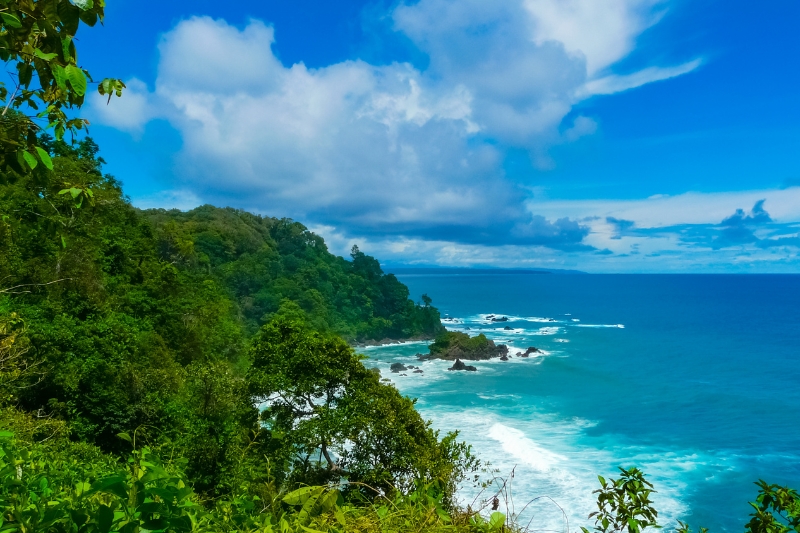
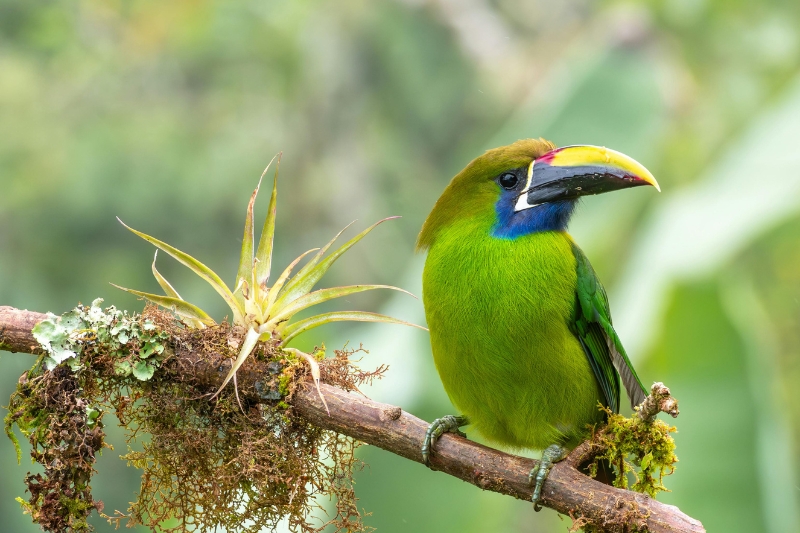
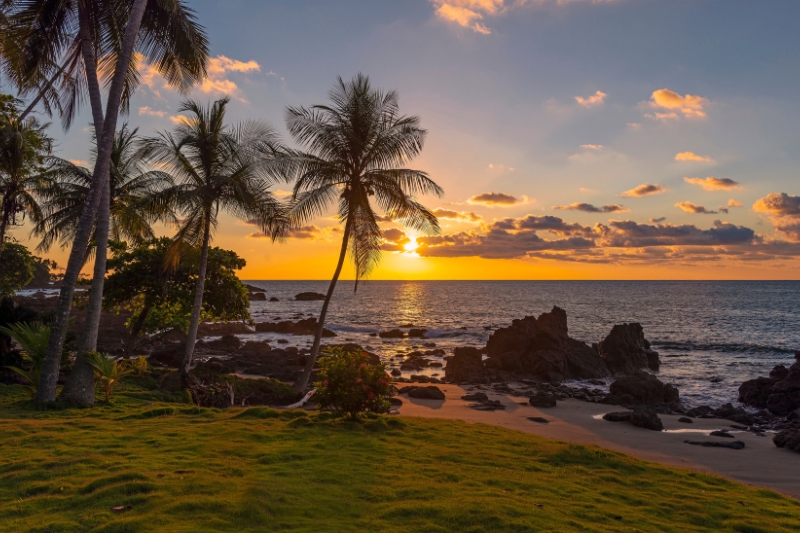
Travel back to the mainland and head down to Uvita, where you will stay in a cozy bunk room on the western coast with a gorgeous view of sunsets. Spend your final days in Costa Rica in search of whales from Marina Ballena National Park and soak in the sun at the beach in Uvita. Look for toucans and groups of spider monkeys as you trek through your hotel’s network of trails. Enjoy a final dinner with your group, reflect on your experiences together, and present your independent project.
Fly from San Jose, Costa Rica, to Miami with your group and a trip leader, then continue on to your final destination. To learn more about how we organize travel, click here.
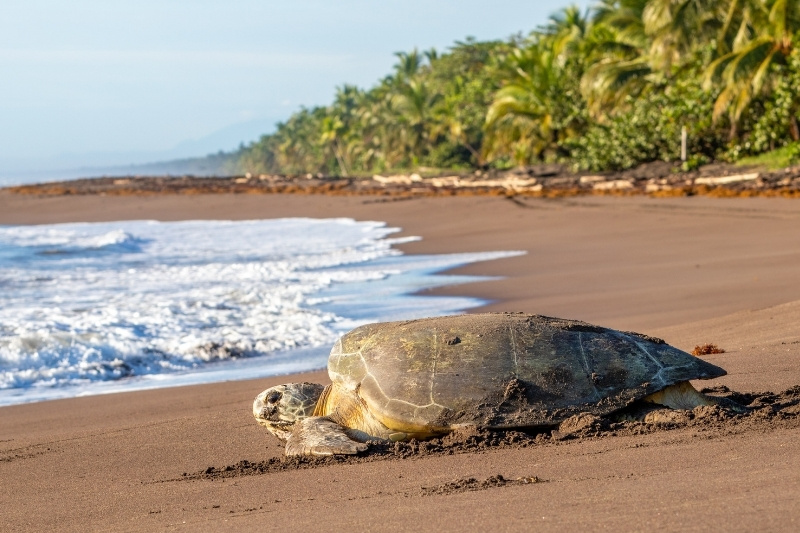
Our Career Costa Rica program is focused on tropical wildlife and habitat conservation. During the program, students interact with conservationists, biologists, and volunteers with a passion for the environment, and contribute to projects centered around sustainability and the protection of local species. While on the Osa Peninsula, students participate in researching and documenting sea turtle nesting sites. Throughout the program, you will observe and interact with the tremendous biodiversity of Costa Rica as you learn about different plant and animal species, their behaviors, and human efforts to protect their habitats.
Proficiency in Spanish is not required for this program. However, if you study Spanish in school you will have opportunities to practice while communicating with local people. If you don’t speak Spanish you will have the opportunity to learn some basic language skills.
All students on Putney programs pursue an independent project as a way to more deeply engage with the program’s themes or aspects of local culture that are of particular interest to them—in Costa Rica, you might interview locals about their relationship to sloths, write an in-depth report on the Olive Ridley sea turtle with help from your Expert and conservationists on Osa, or create an audio diary of the bird sounds from different regions.
To encourage full engagement and immersion in the Putney Student Travel experience, we limit the use of cell phones and other devices on our High School programs. Students are allowed to use their phones in transit to and from the program. During in-country orientation, leaders facilitate a call home, then collect and securely store all phones for the first half of the program. At the end of this tech-free period, leaders return student phones for the second half of the program. During the tech-free portion of the program, students have the opportunity for a weekly call home according to a pre-arranged schedule. For more details, please see our FAQ.
This is a relatively active summer travel program. Students can expect to hike, snorkel, and swim during their time in Costa Rica. You do not need to be at peak fitness to participate, but it is important that you have a desire to be physically active, and that you are excited about trying all activities.
The group stays in simple bunkrooms at ecolodges and research outposts for the majority of the program and shares rooms in a comfortable beach hotel to conclude the experience. Leaders reside with students for the duration of the program.
The group takes all meals at our accommodations. Most meals consist of typical Costa Rican cuisine with dishes including rice, beans, eggs, fresh fruit and vegetables, chicken, and pork.
Putney’s Career Costa Rica program is designed for high school students (grades 9–12) who are interested in exploring the fields of conservation and environmental science and want to see what it is like to live like a researcher. The program is a good fit for students who are curious and passionate about the natural world, science and research, and hands-on, experiential learning.
Costa Rica’s conservation efforts, ecosystems, and biodiversity make it an ideal location for a conservation-focused Putney program, and we have been offering programs in Costa Rica for decades. Approximately 30% of Costa Rica’s total territory is protected in national parks, and over 50% of the country has forest cover because of national conservation efforts. Costa Rica’s commitment to sustainability means that it is not only one of the most biologically rich places on Earth, but also a hub for researchers and conservationists to study and work. Putney students join in on existing projects to study and protect marine and tropical ecosystems.
Our Career Costa Rica program enables high school students to study a number of different biomes in a short period of time, including tropical rainforest, mangrove forest and estuaries, and coastal marine areas. The biodiversity and opportunity to contribute to research efforts on the Osa peninsula is unparalleled!
Students don’t need any prior experience or specific skills to join our Costa Rica program. The program is intentionally designed to be accessible to beginners seeking an introduction to conservation and biology. Students should also come with an open mind, a willingness to try new things, and the ability to participate positively in a supportive, small-group environment.
Leaders and local experts teach all the necessary skills along the way, so students build confidence as they go. In other words, you don’t need a background in conservation, biology, or environmental science—you just need to be open, engaged, and excited to learn about all things environmental in Costa Rica!
Students can expect to walk away from this experience with practical experience in field research and conservation, a deeper knowledge of a variety of plant and animal species, insights into the history of conservation in Costa Rica, and a lived understanding of what it means to work as a researcher.
Putney students also gain soft skills: a greater degree of confidence, independence, adaptability, and stronger communication. Living and learning in a small group also builds close friendships and a broader global perspective. Overall, students come away more self-assured, curious, and with a clearer sense of what they might want to pursue in the future.