
Program Directed by
Ed Thanhouser
If you have questions or would like to talk further about this program, please get in touch!



Meet your fellow high school student travelers and one or more of your leaders in Los Angeles, and fly together to Kona, Hawai'i. To learn more about how we organize travel, click here.
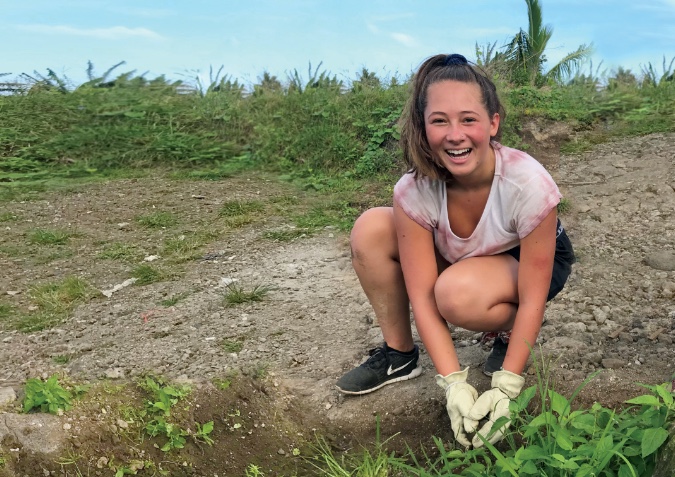
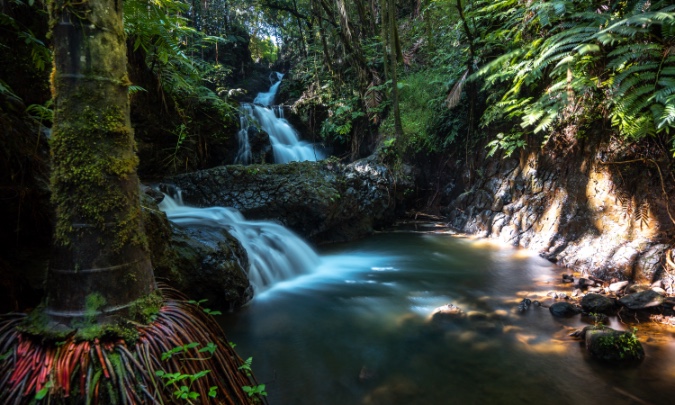
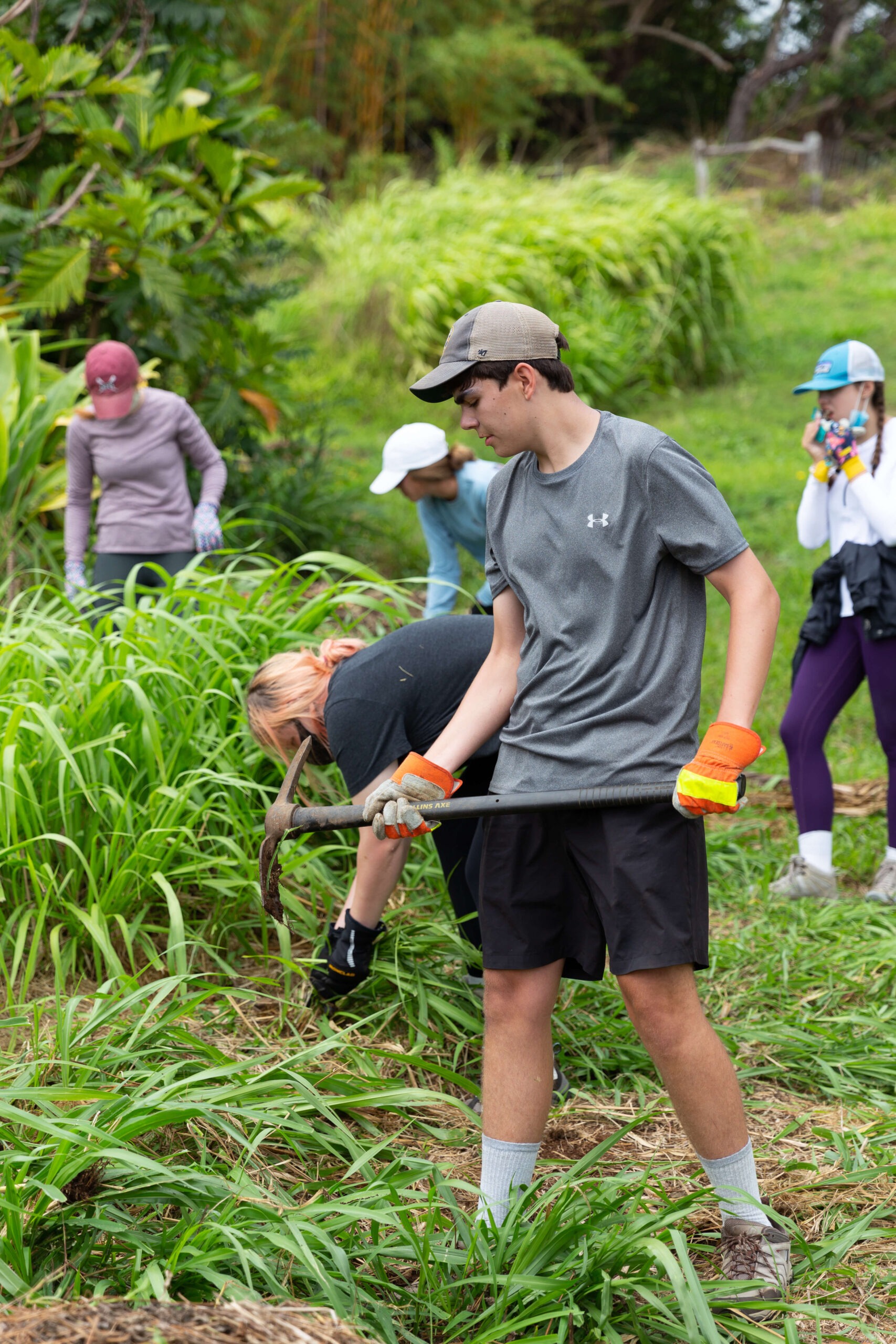
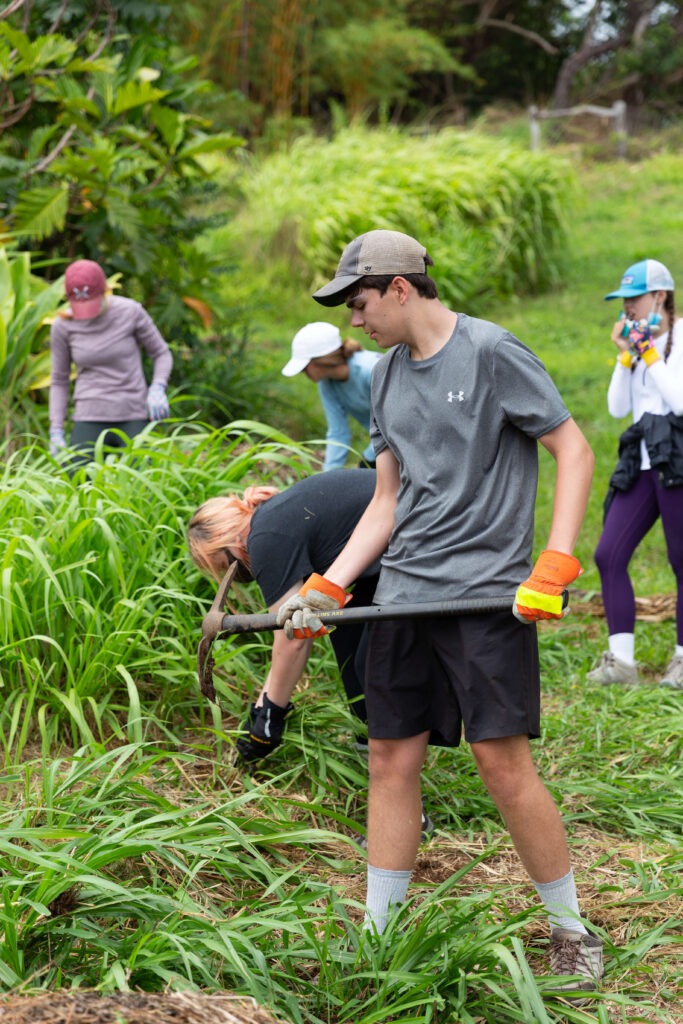
From the airport, head northeast to Waimea, the home of Paniolos, cattle ranches, and rolling grasslands. Get to know your group and participate in an in-depth orientation on your time in Hawai'i. Partner with Ulu Mau Puanui, an organization dedicated to understanding and preserving ancient Hawaiian agricultural practices, and educating students about sustainability. Help plant and harvest native crops, clear invasive species, and learn about Hawaii’s many ecosystems and climate zones. Hike to a nearby cinder cone to catch a glimpse of the expansive Kohala Field System and learn about how our partners are working hard to revitalize and conserve this land for future generations. In the afternoons after your service work, head to the beach for a swim or venture out for a hike in the forest near your accommodations.
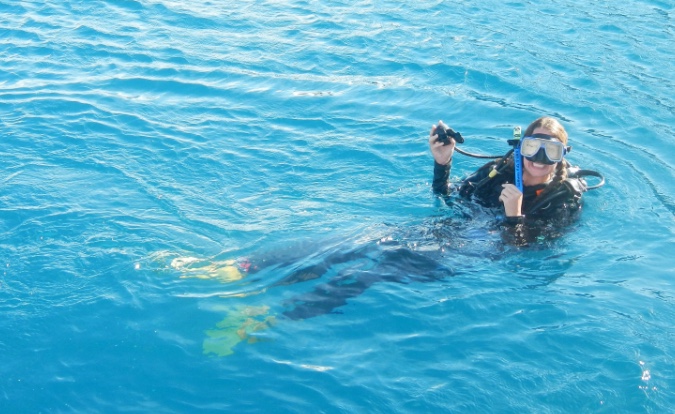
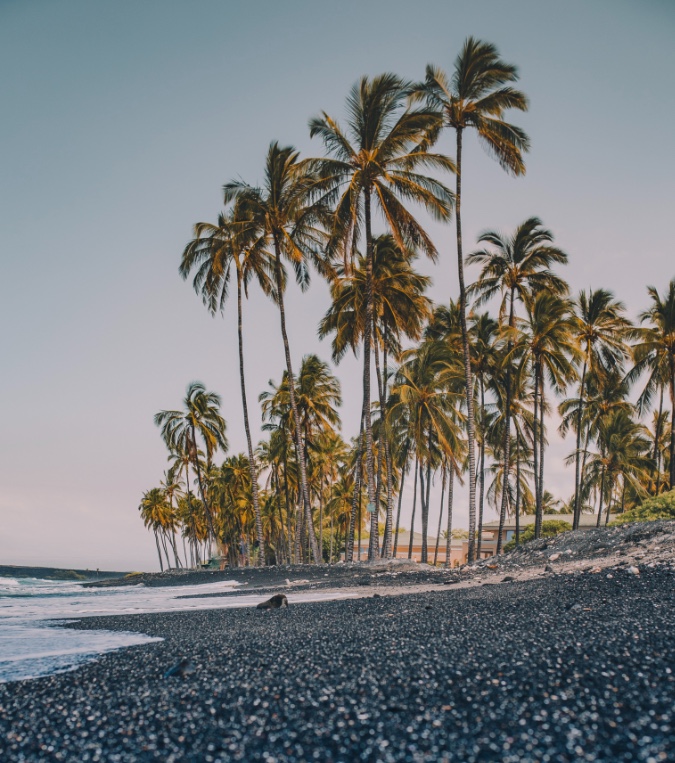
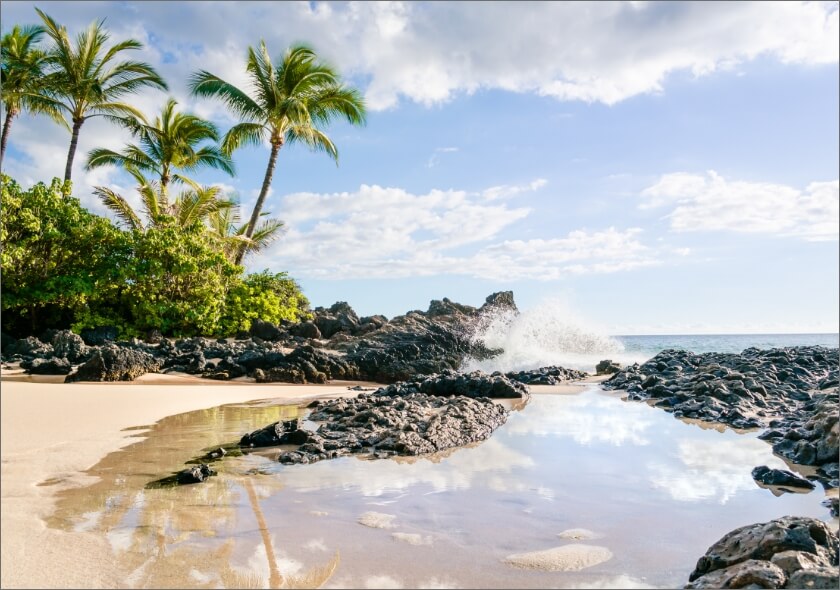
Head to the pristine, calm waters of the western coast to cap off your time on the Big Island. Unwind with your group as you explore the town’s many beaches, shops, and cafes. Spend your last evening here on a magical evening snorkel in an area where manta rays, the ocean’s gentle giants, come to feed.
Fly to Maui for your final days of the program, where you will work alongside a local organization dedicated to the stewardship and preservation of the sacred Olowalu Valley, which was once a place of refuge for those seeking sanctuary. Continue learning about and practicing Malama 'Āina as you tend to the land alongside local facilitators through planting, harvesting, removing invasives, and more. End your trip with a traditional ‘awa ceremony led by a community elder where you will reflect on what you have learned and the important work you’ve done to help preserve these fragile ecosystems.
Fly from Maui to Los Angeles with your group and a leader, then continue on to your final destination. To learn more about how we organize travel, click here.
The focus of our Service Hawai’i high school program is learning about Native Hawaiian culture and agricultural practice, and the traditions entwined within it. We do this by partnering with local people, non-profit organizations and farms to undertake a shared service experience together. You should come to the summer with an open-mind, eager to participate in new experiences and interested in exploring Hawaii in a way that few visitors do. Everyone participates in all of the group’s projects, whether weeding, planting, or harvesting, and will learn from Hawaiians what “Malama ʻĀina” means. To learn more about our Service programs click here.
During your time on our high school Service Hawai’i program, you can expect to work on several different garden and agricultural projects—planting or harvesting taro and other local crops, removing invasive species, and caring for existing crops. Additionally, you may do environmental remediation projects, like removing industrial agriculture plastic weed block sheeting or preparing land for indigenous plantings.
To help students fully engage and immerse themselves in the Putney Student Travel experience, we do not allow use of cell phones or other internet-connected devices (including tablets, smart watches, laptops, etc.) on our middle school or high school travel programs. Students may have their cell phones during travel to and from the program. During the group’s in-country orientation, program leaders facilitate a call home, then collect and securely store all phones until departure day. Throughout the program, students have the opportunity for a weekly call home according to a pre-arranged schedule. For more details, please see our Approach to Technology.
Students on our high school Hawaii service program can expect to complete 30–40 community service hours. Students receive a digital service certificate after the program that confirms their participation. The certificate will specify the exact number of hours completed, based on our partners’ identified projects for the group.
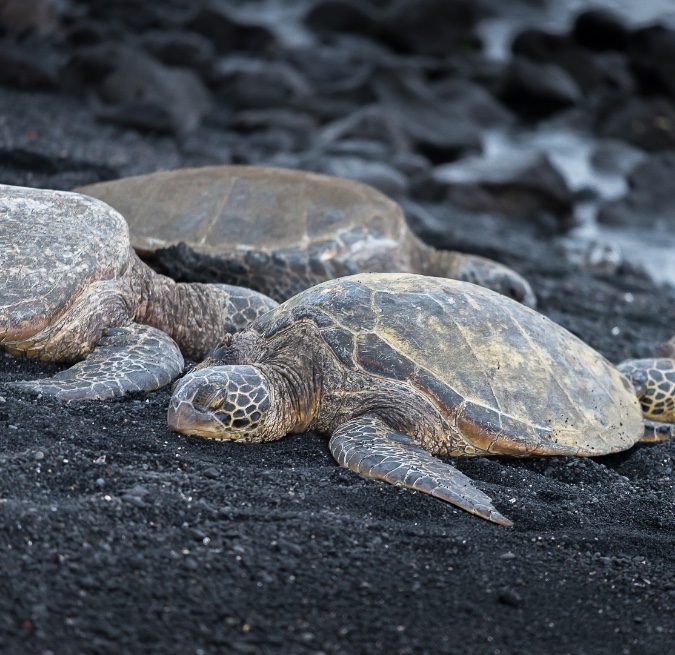
All students on Putney programs pursue an independent project as a way to more deeply engage with aspects of local culture that are of particular interest to them—in Hawai’i, you might learn Hawaiian phrases and cultural practices. Research and document Hawaiian folklore, stories and history. You’ll also have plenty of opportunities to enjoy and observe Hawaii’s marine ecosystems and the wildlife of the islands.
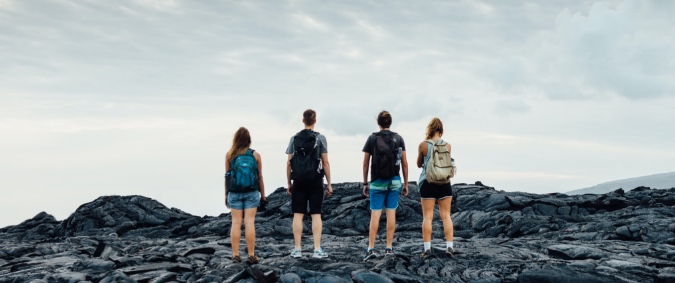
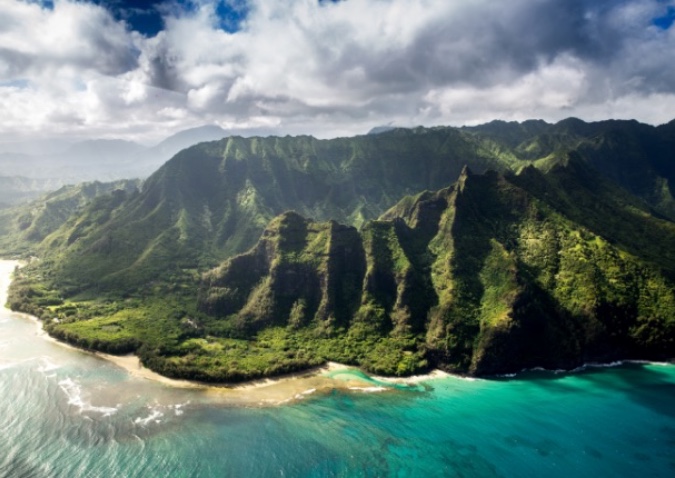
This is a physically active summer service program. Days are filled with movement: participating in land-based service learning projects, hiking through lush landscapes and volcanic craters, and swimming and snorkeling are all activities you might participate in during this program. You do not need to be at peak fitness to participate, but it is important that you have a desire to be physically active, and that you are excited about trying all activities.
During our Service Hawai’i program, students may spend no more than a few hours at a time at high elevations. Locations that are 9,000 feet/2,742 meters or higher are noted in the itinerary above. Depending on weather conditions and reservation availability, the group may stargaze from the Onizuka Center for International Astronomy Visitor Information Station (VIS) on Mauna Kea, which is at an elevation of approximately 9,200 feet/2,804 meters. Similarly, the group may visit the Haleakalā Visitors Center in Haleakalā National Park while on Maui, which is at an elevation of approximately 9,740 feet/2,969 meters.
In Waimea, the high school Service Hawai’i program stays at the Waiaka House, which is a large, shared house split into six bedrooms with a living room, laundry facilities, and kitchen. The house is located on Hawai’i Preparatory Academy’s Upper Level Campus, and our group has access to campus facilities such as the canteen and classrooms if needed. In Kona, we stay in 4-6 person dorm-style rooms at a comfortable, family-owned guesthouse in Kona proper. Lastly, on Maui, students stay two or three to a room in simple, seaside cabins called “tentalows,” complete with their own private, open-air showers, sinks, and dressing areas. Bathrooms are shared. Leaders reside with students in all accommodations.
Many meals on our Service Hawai’i high school program are prepared by Hawaii Preparatory Academy’s (HPA) cafeteria, and as such cover a wide variety of standard American foods such as soups, sandwiches, french fries, and pizza. We also enjoy local restaurants on the islands and local Hawaiian specialties such as loco-moco, musubi, poke, and others. In our shared kitchen at HPA, we can also prepare local ingredients for snacks and lunches to go.
Putney’s Hawaii service program is perfect for high school students (grades 9–12) who are interested in engaging authentically with local people in a meaningful way, and learning about traditional cultural practices. Additionally, students who are interested in agriculture, permaculture, and food production will find many ways to engage with land stewardship and sustainability. There are also many water-based activities, and so students who love the ocean, the beach, and island ecosystems will enjoy the climate and activities this program offers. Successful students come with an open mind, a willingness to try new things, and an eagerness to participate productively in a shared, small-group experience.
Few people get the opportunity to see this side of Hawaii when they visit, and it is eye-opening for students of all ages and backgrounds. Putney strives to put intentionality and respect at the forefront of the program, allowing local leaders to teach and guide students through a meaningful exploration of Hawaiian culture and history. Hawaii is more than a vacation playground, and students on our Service Hawai’i program learn about the hard work that kept native Hawaiians fed and the land healthy long before Western civilization arrived.
This is a shorter high school service program, and it’s a domestic program. That means students do not have to work through challenges like language barriers and far-flung travel. Our Service Hawai’i program is a great choice for students who have never done service work before, or are particularly curious about Native Hawaiian culture. Additionally, this program is a good fit for students who like the idea of service in a place that offers incredible outdoor and water-based activities with native wildlife.
No, students only need to bring their curiosity and a willingness to try new things. Students should expect to work in gardens and growing plots outdoors, and so should be comfortable with getting their hands and clothes dirty.
Students leave our Service Hawai’i program with an entirely new perspective on Hawaiian culture and Native Hawaiian life. They gain insight into the history of the islands and its people, as well as their modern way of life. Students return home with a better understanding of agriculture, traditional crops, and the tensions between tourism and ecology on the islands. Hands-on restoration projects, cultural exchanges, and independent projects strengthen students' problem-solving skills, curiosity, and confidence, while experiences across Hawaiʻi's diverse landscapes foster a lasting connection to biodiversity, sustainability, and the responsibility we all share in protecting fragile ecosystems.