Program Directed by
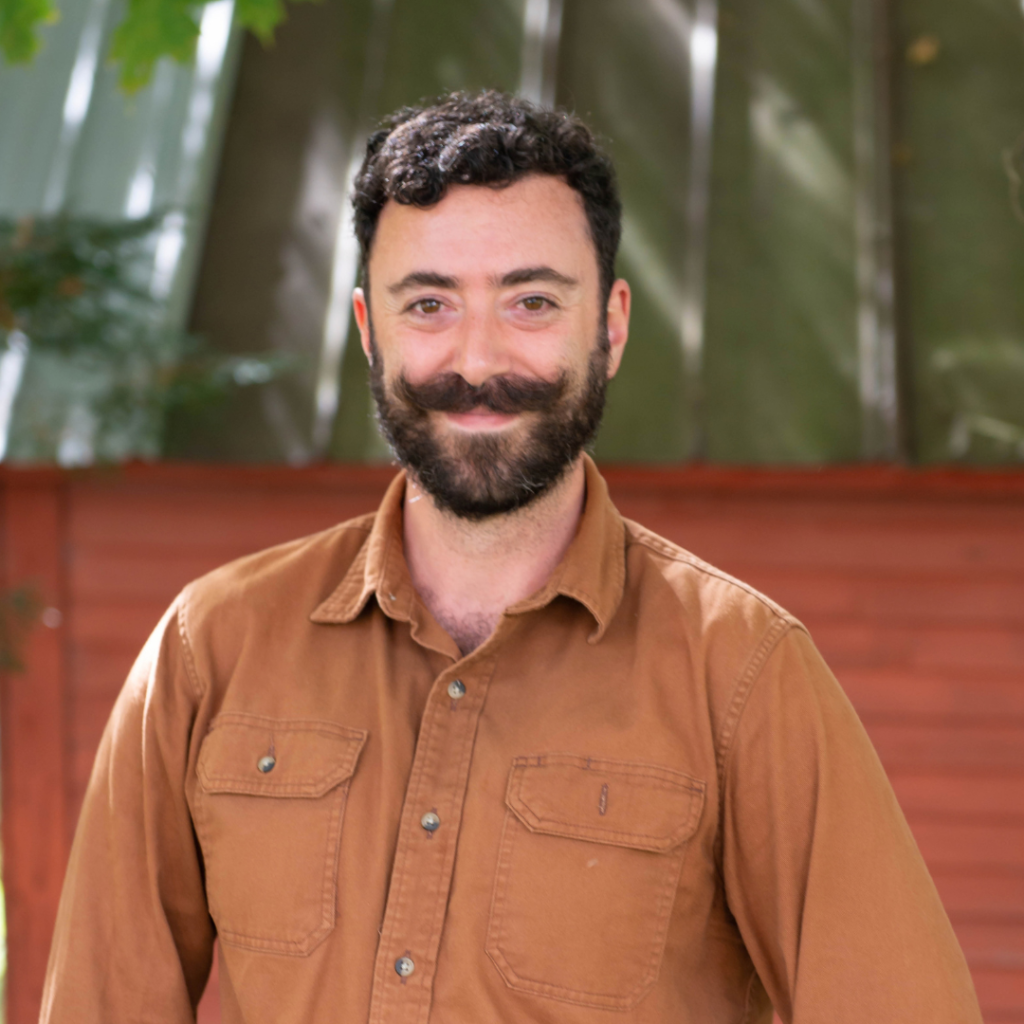
Andrew Manzella
If you have questions or would like to talk further about this program, please get in touch!



Meet your fellow high school student travelers and one or more of your leaders in New York, and fly together to Rome, Italy. To learn more about how we organize travel, click here.
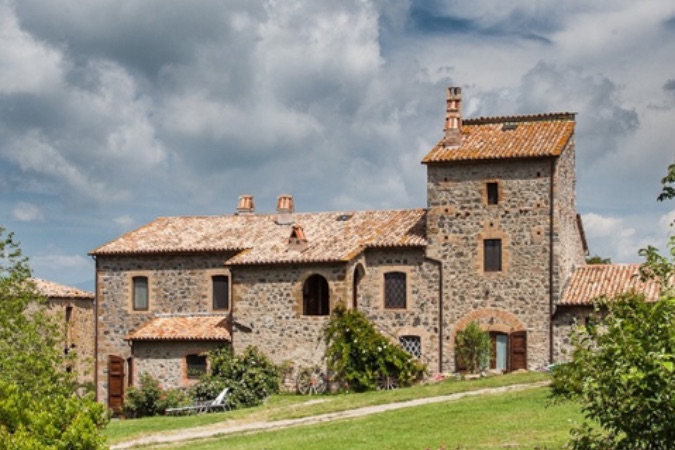
Upon arrival in Rome, travel by chartered bus to Pulicaro, a beautifully restored, family-run, 18th-century organic farm located on the provincial border of Umbria and Lazio. Your hosts, Marco and Chiara, moved to the Italian countryside from Milan in 2001 and began reviving the farm according to sustainable principles. Today, Pulicaro boasts over 2,000 olive trees, a fruit orchard, free-range chickens and geese, and acres of gardens filled with heirloom tomatoes, onions, garlic, pumpkins, and an impressive variety of other fruits and vegetables.
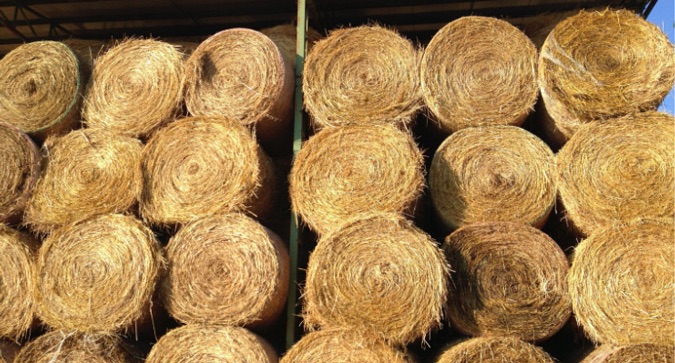
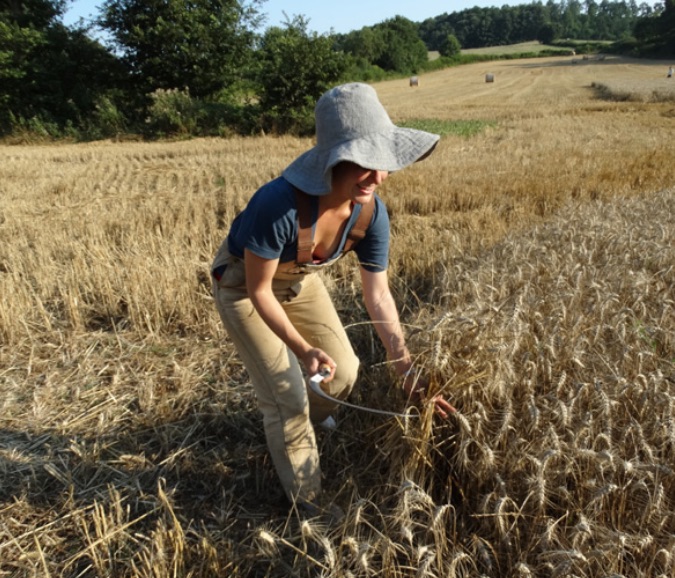
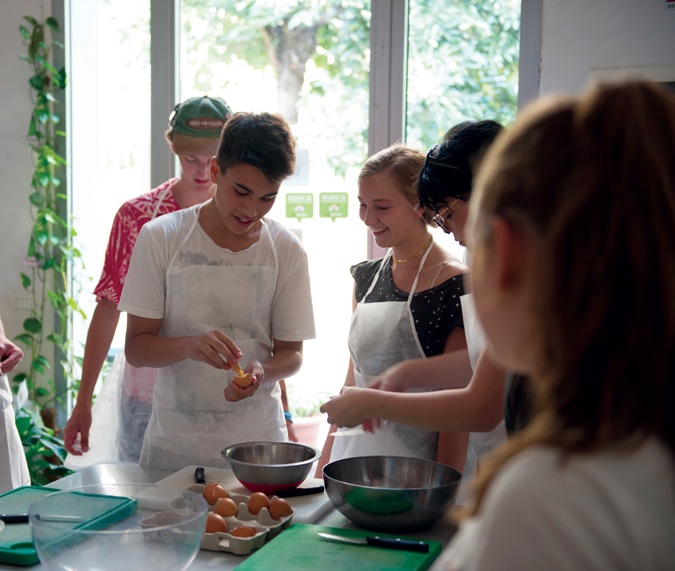
Participate in hands-on farm rotations, putting the principles of regenerative agriculture into practice as you care for animals, plant, tend, harvest, can, and cook. In the afternoons, take survival Italian lessons from our hosts; learn basic knife skills or restaurant plating techniques; discuss food policy, movements, and trends; or relax under the shade of one of Pulicaro’s many mulberry trees, at nearby Lake Bolsena, or in the piazza of a Tuscan hill town. Experience even more local tastes on day trips to the farms of local producers. Spend some evenings preparing dinner together and learning how to balance flavors and present foods like a professional kitchen staff, and others checking out restaurants in the cliffside town of Orvieto.
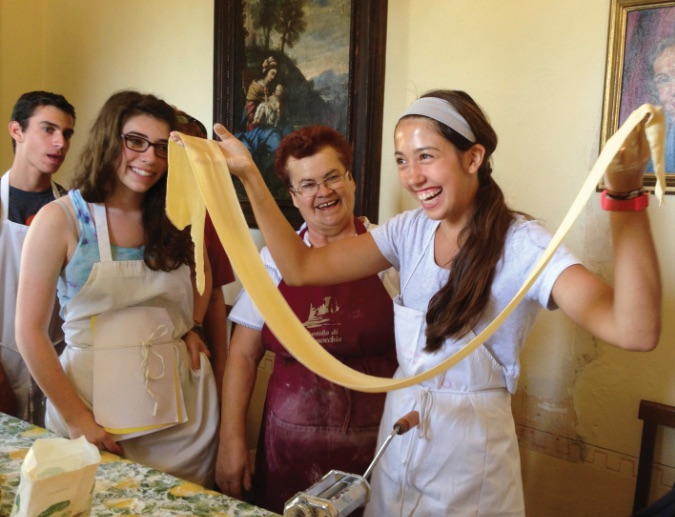
Head north to the unparalleled beauty of Siena to explore the city’s bustling market and restaurant scene. In search of new ingredients, skills, and knowledge, delve into Italian food history, sample dishes in secret neighborhood trattorie, hand-stretch pasta in a cooking class, peruse a farmers’ market in Siena, and visit the Castello di Spannocchia for a behind-the-scenes look at efforts to preserve an ancient line of Tuscan pig. Experience the living history of the Palio horse race through citywide feasts, celebrations, and parades.
Return to Pulicaro, baskets and bags loaded with fresh ingredients, and spend the final days of your trip to Italy honing the menu for and cooking a multi-course cena finale, the final feast. Invite your family, and share and celebrate all you have learned with new Italian friends at this delicious outdoor banquet on the last evening of the program.
Fly from Rome to New York with your group and a leader, then continue on to your final destination. To learn more about how we organize travel, click here.
The focus of Putney’s Career Italy Farm-to-Table program is exploring the connections between sustainable, regenerative farming, Italian food culture, and culinary tradition through hands-on experiences and meaningful interactions with local hosts, farmers, chefs, and producers.
There are countless careers that touch food systems and foodways, and with its unparalleled food culture, Italy is the perfect place for students to pursue their passions and explore possible career paths. Perhaps your goal is a future as a food producer or farmer, a chef or restaurateur, a food writer, or a food and farm policymaker; or maybe you want to get a deeper understanding of food systems and sustainability. If your interests lie in the realm of sustainable farming and food culture, this program is for you.
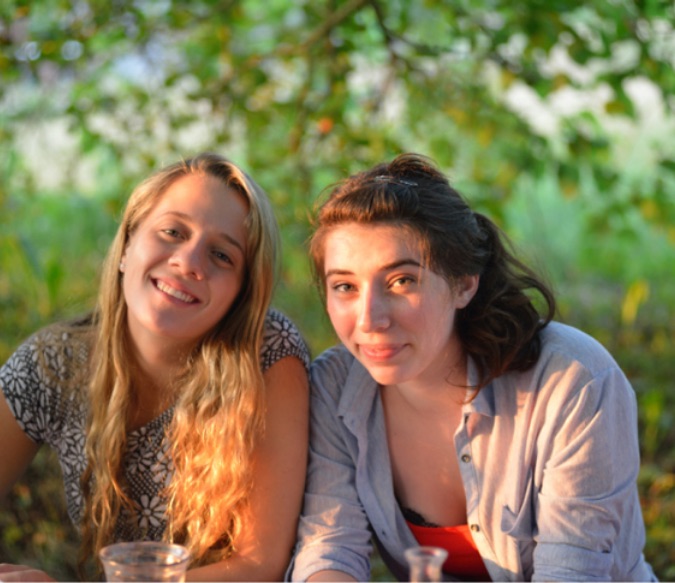
Students learn by doing as they participate in farm work rotations, visit local food producers, develop cooking techniques, and share meals together. Along the way, students immerse themselves in daily life in rural Italy while examining the role food plays in culture, community, and identity.
Proficiency in Italian is not required for this program. However, if you study Italian in school you will have opportunities to practice while communicating with local people. If you don’t speak Italian you will have the opportunity to learn some basic language skills.
All students on Putney programs pursue an independent project as a way to more deeply engage with aspects of local culture that are of particular interest to them. Students will work together to create a final feast at the end of the program, from collecting ingredients to designing the menu and preparing the food. Parents are also invited to attend.
To help students fully engage and immerse themselves in the Putney Student Travel experience, we do not allow use of cell phones or other internet-connected devices (including tablets, smart watches, laptops, etc.) on our middle school or high school travel programs. Students may have their cell phones during travel to and from the program. During the group’s in-country orientation, program leaders facilitate a call home, then collect and securely store all phones until departure day. Throughout the program, students have the opportunity for a weekly call home according to a pre-arranged schedule. For more details, please see our Approach to Technology.
Pursue an independent project and explore an aspect of local culture of particular interest to you—collect recipes from the people you meet, apprentice a gelato-maker, dive deeper into the art and science of baking, or create a food-criticism blog that you can continue after you return home.
This is a physically active high school summer program. You do not need to be at peak fitness to participate, but it is important that you have a desire to be physically active, and that you are excited about trying all activities. Expect hot days, hikes to swimming holes, moderate farm tasks, and a daily siesta.
The group stays at historic Italian farms throughout the program, in renovated buildings with 2–4 students in each room. Leaders reside with students for the duration of the program.
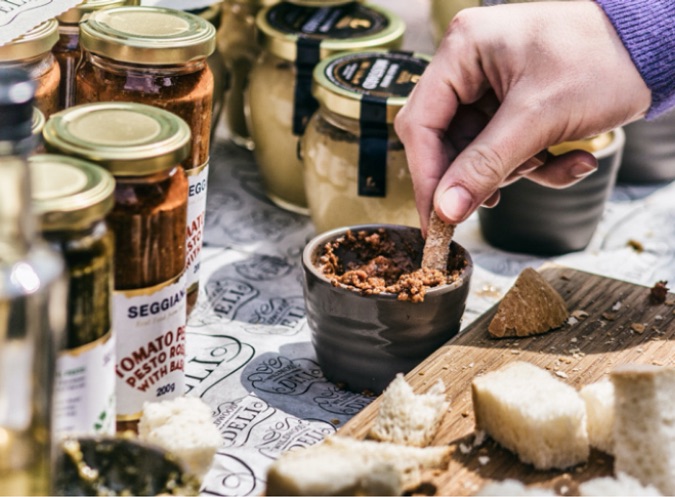
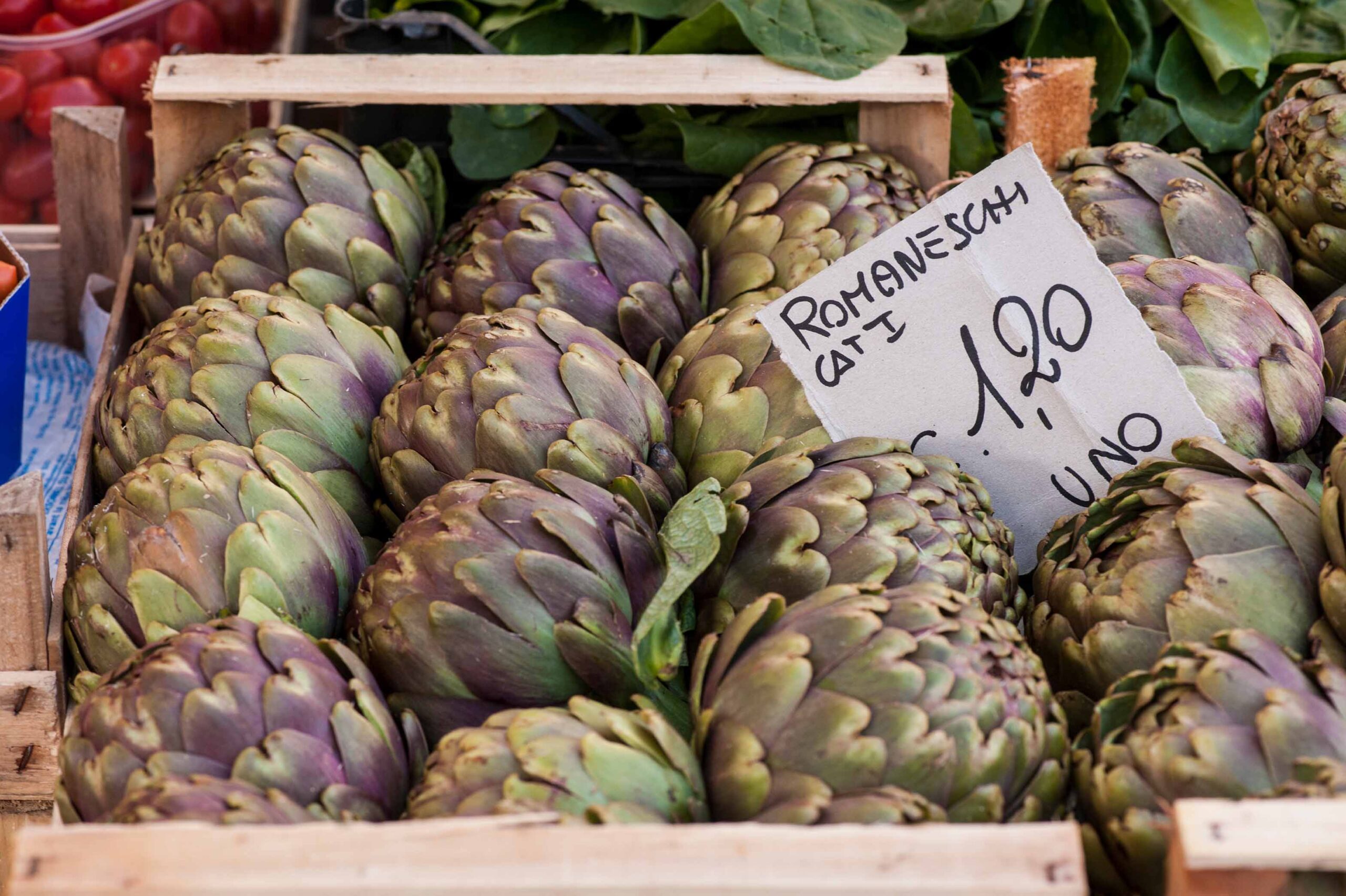
Meals are an important part of daily life on Putney’s Career Italy program, and a central part of the Italian experience. The group shares many meals family-style at Pulicaro using fresh, seasonal ingredients grown on the farm or sourced from nearby producers. Students help prepare some meals together, learning basic cooking techniques, knife skills, flavor balancing, and plating along the way. Throughout the program, you’ll also enjoy meals in local trattorie, visit markets and farms, and sample regional specialties including fresh pasta, pecorino cheese, olive oil, vegetables, and gelato. Vegetarian diets can generally be accommodated, and we work with families ahead of time regarding dietary needs.
Putney’s Career Italy program is designed for high school students (grades 9–12) who are curious about food, food systems, sustainability, and culture, and who are excited to learn through hands-on experiences. There are countless careers that touch food systems and foodways, and with its unparalleled food culture, Italy is the perfect place to pursue your passion and explore possible career paths. Perhaps your goal is a future as a food producer or farmer, a chef or restaurateur, a food writer, or a food and farm policymaker; or maybe you want to get a deeper understanding of food systems and sustainability. This program provides hands-on, immersive experiences that encourage thoughtful engagement with food-related issues—sustainable and organic farming practices, small- and large-scale farming, and more—as well as hands-on, applicable culinary skills that you can take home to your own kitchen and community.
Successful students are eager to participate in daily farm life, collaborate in the kitchen, try new foods, and engage thoughtfully with questions about agriculture and food systems. Students should come ready to pitch in, live simply, and immerse themselves in Italian culture through shared meals, conversations, and community.
Italy is an ideal setting for exploring the connections between food, culture, and sustainable agriculture because daily life is still deeply shaped by regional food traditions, seasonal ingredients, and strong relationships to the land. In rural central Italy, Putney students experience these traditions first hand through meaningful interactions with farmers, cheesemakers, cooks, and local hosts who are passionate about preserving culinary and agricultural heritage.
Putney has offered our farm-to-table program for more than a decade, built on longstanding relationships in the region that allow Putney students to move beyond tourism and engage more deeply with local communities and daily life. Rather than simply tasting Italian cuisine, students participate directly in the work behind it through farm rotations, cooking, visits to local producers, and collaborative meal preparation. The program combines hands-on learning, cultural immersion, and thoughtful conversations about sustainability and food systems in a way that encourages students to see food not only as something to consume, but as a lens for understanding culture, community, and the environment.
Compared to many of Putney’s other Career programs, this program is especially centered around food culture and food systems, daily rhythms, and hands-on learning connected to agriculture, sustainability, and cooking. Many of our programs move through multiple destinations to experience the program theme in different contexts and from different perspectives; but on this program students spend meaningful time rooted in one community, building relationships with our local hosts and partners, and gaining a deeper understanding of Italian life through shared meals, farm work, and visits to nearby producers and towns.
No specific experience or cooking skills are required for success on this program. Students should come with an open mind, a willingness to participate in hands-on activities, and curiosity about food, sustainability, and Italian culture. Everyone takes part in the group’s daily activities on a rotating basis, including farm work, meal preparation, cooking, and cleanup. Students should also be comfortable living simply in a rural setting and excited to try new foods and experiences as part of a supportive small-group community.
Students return from Putney’s Career Italy Farm-to-Table program with a deeper understanding of sustainable agriculture, food systems, Italian food culture, and the connections between food, community, and the environment. Along the way, they gain practical skills through hands-on experiences such as cooking, meal planning, harvesting, food preparation, and working collaboratively as part of a group. Students also develop soft skills such as greater confidence navigating new environments, communicating across cultures, and contributing meaningfully to a shared community. Many students leave the program with a new appreciation for where food comes from and a stronger sense of curiosity about sustainability.