Program Directed by
Julian Hartmann-Russell
If you have questions or would like to talk further about this program, please get in touch!



Meet your fellow high school student travelers and one or more of your program leaders in New York, and fly together to Montego Bay, Jamaica. To learn more about how we organize travel, click here.
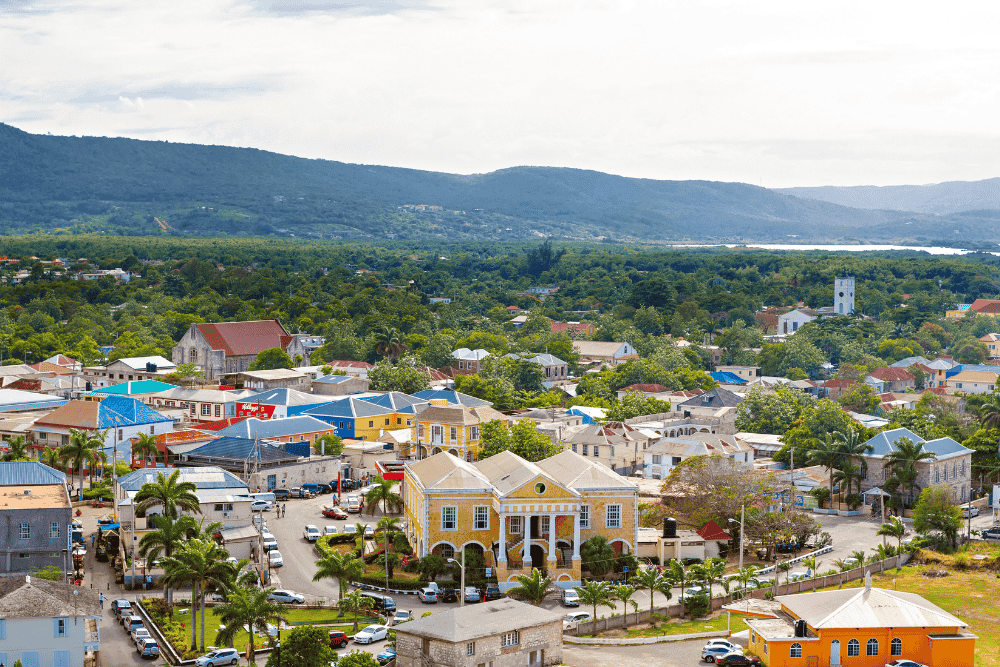
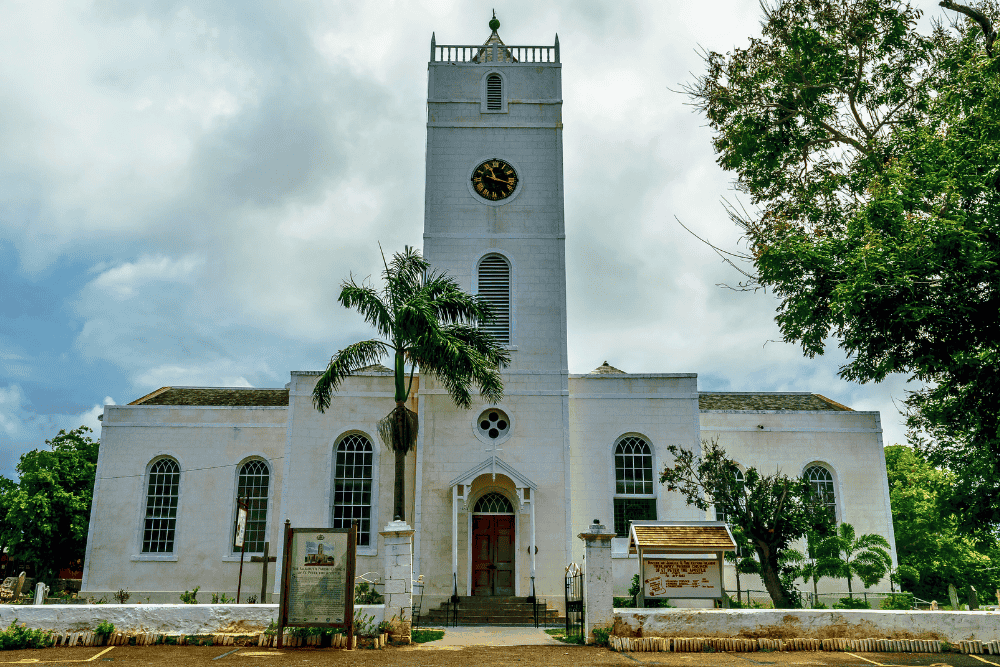
Begin your program in Falmouth, our volunteer host community, and spend the first day settling into our new home, hosted by longtime Putney friend Keisha-Ann Reid and Phil Cato. Get to know one another, meet community contacts, and enjoy an in-depth orientation to local life and upcoming volunteer projects. Falmouth is the base for the program as we travel to surrounding communities to work on need-based projects, all of which focus on supporting families and rebuilding.
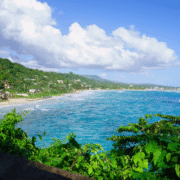
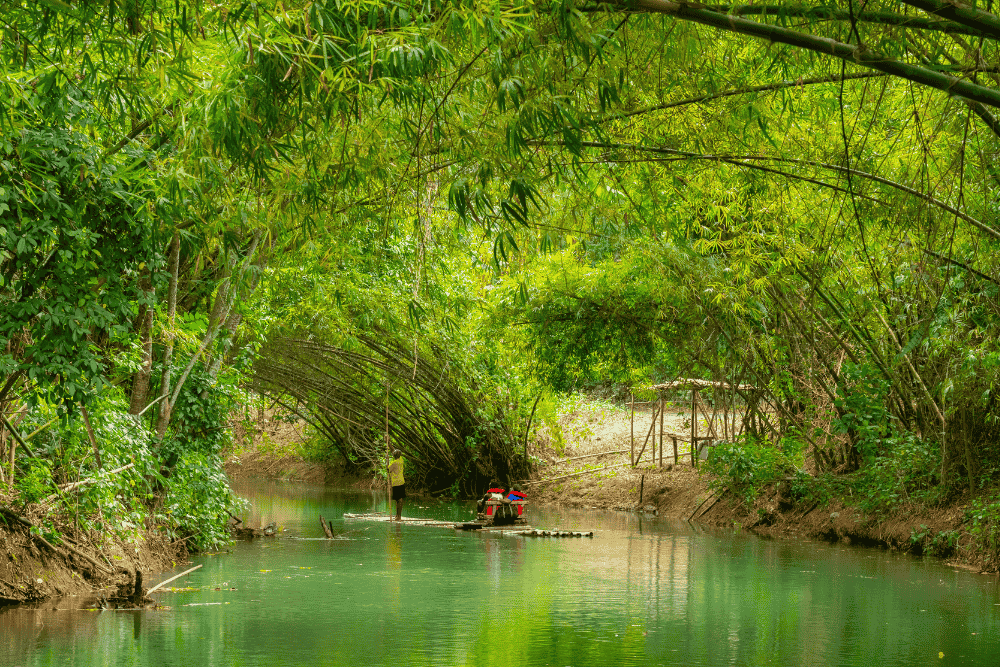
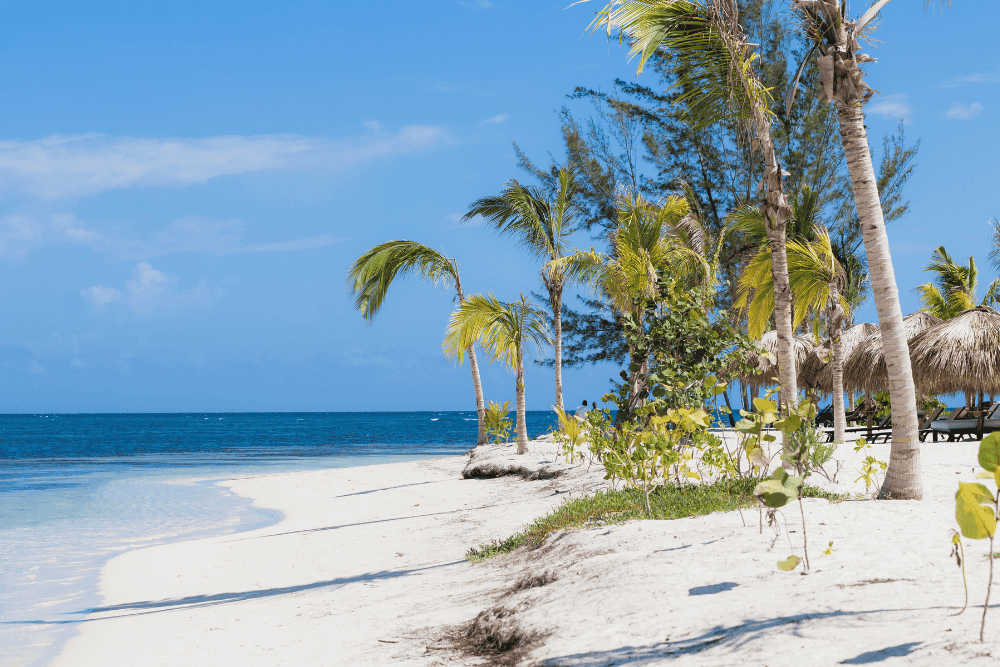
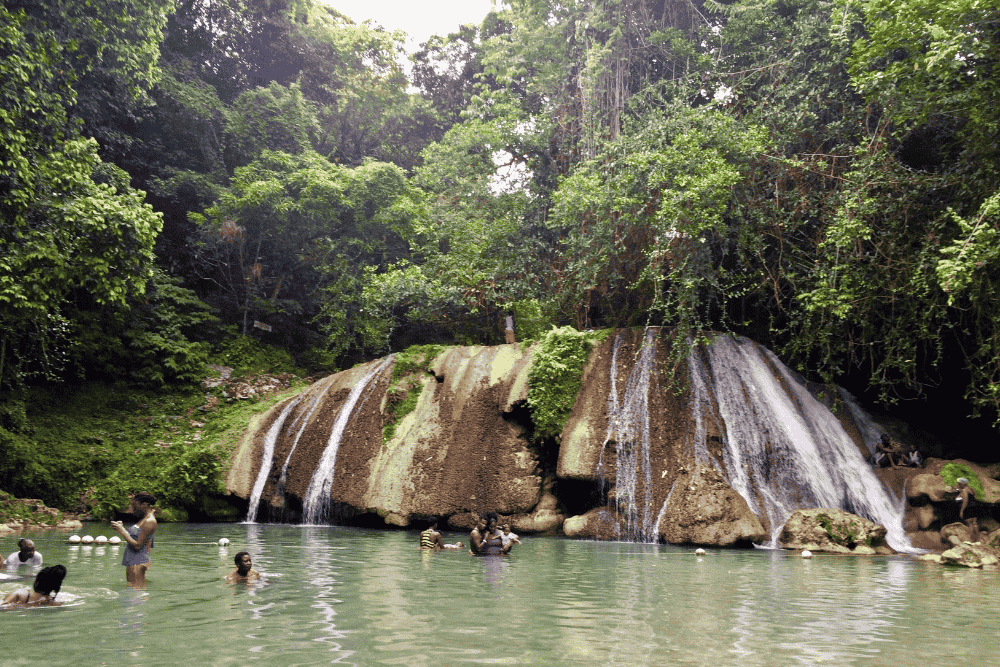
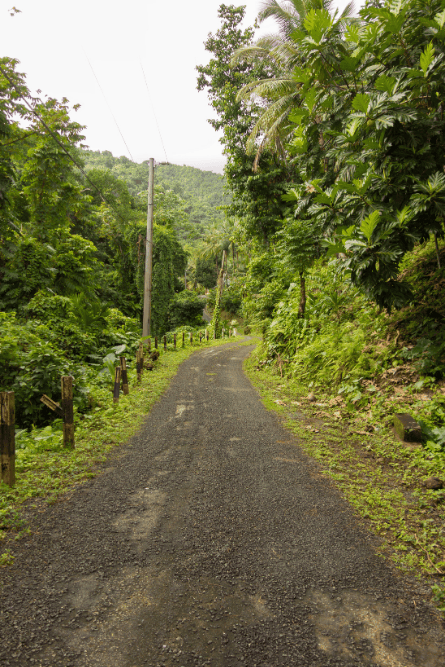
Take a weekend excursion, staying at an ecolodge in lush Portland Parish, on Jamaica’s northeastern coast. With knowledgeable guides, trek through the jungle, repair hiking trails, and explore hidden waterfalls. Spend some time relaxing at the beach, sample local foods, and learn about biodiversity conservation.
Return to our host community to continue working on projects. Deepen relationships with community members and end the program with a celebratory gathering with the community before traveling home.
Fly from Montego Bay to New York with your group and leader, then continue on to your final destination. To learn more about how we organize travel, click here.
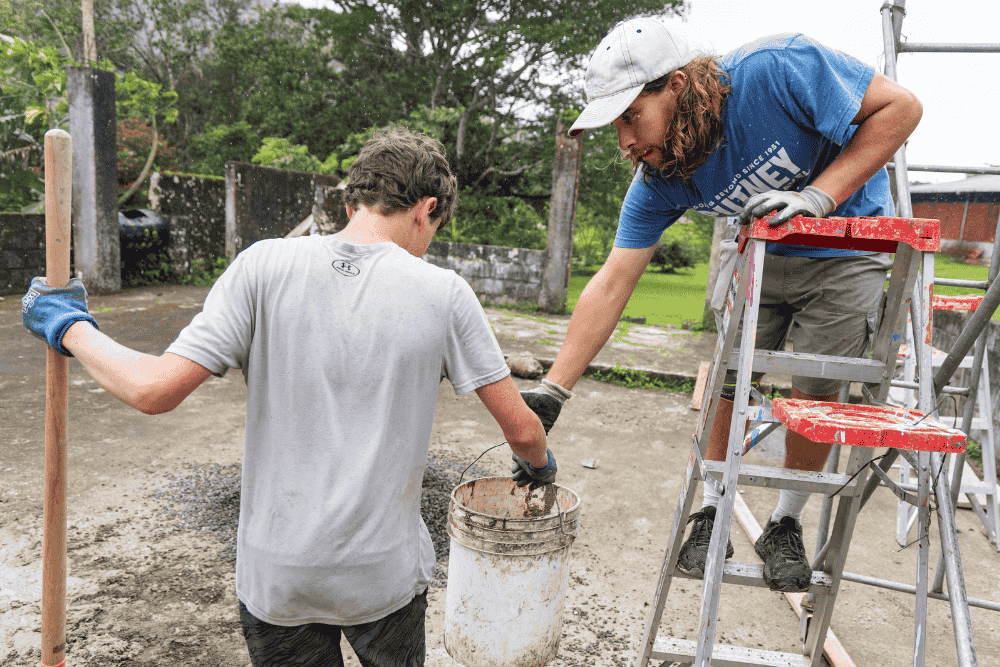
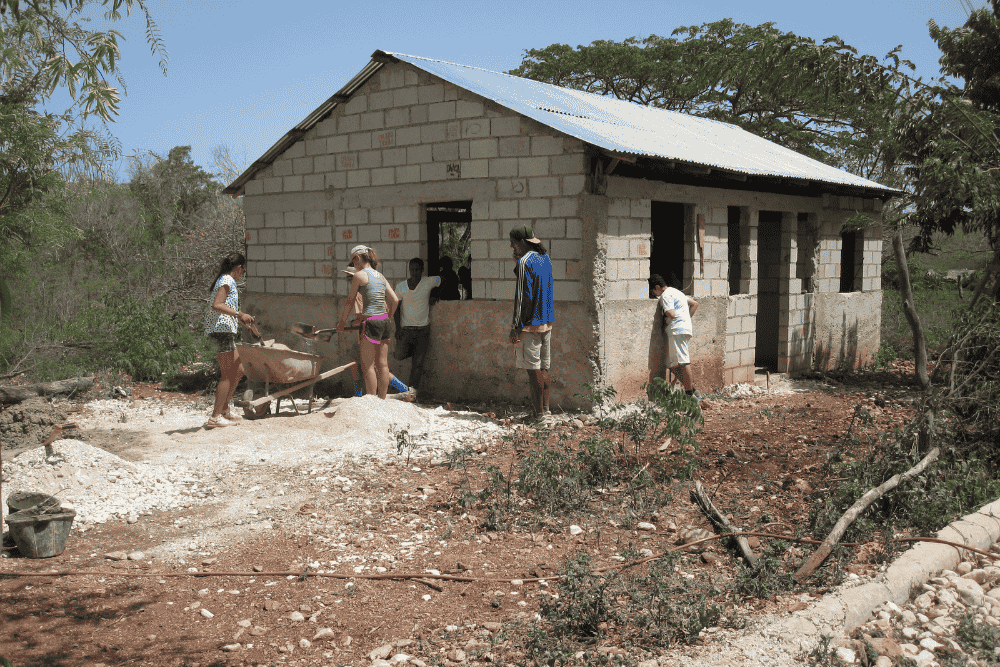
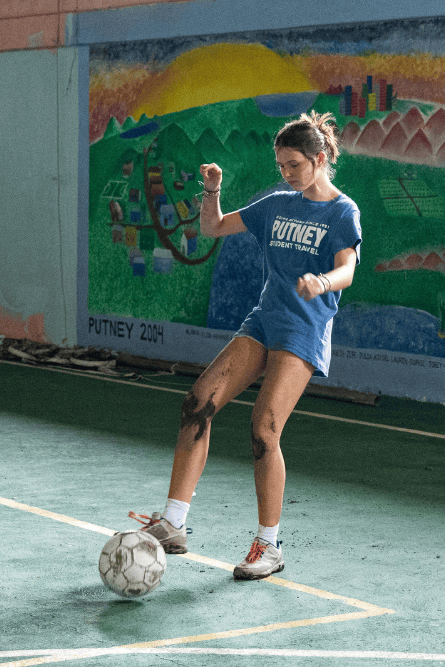
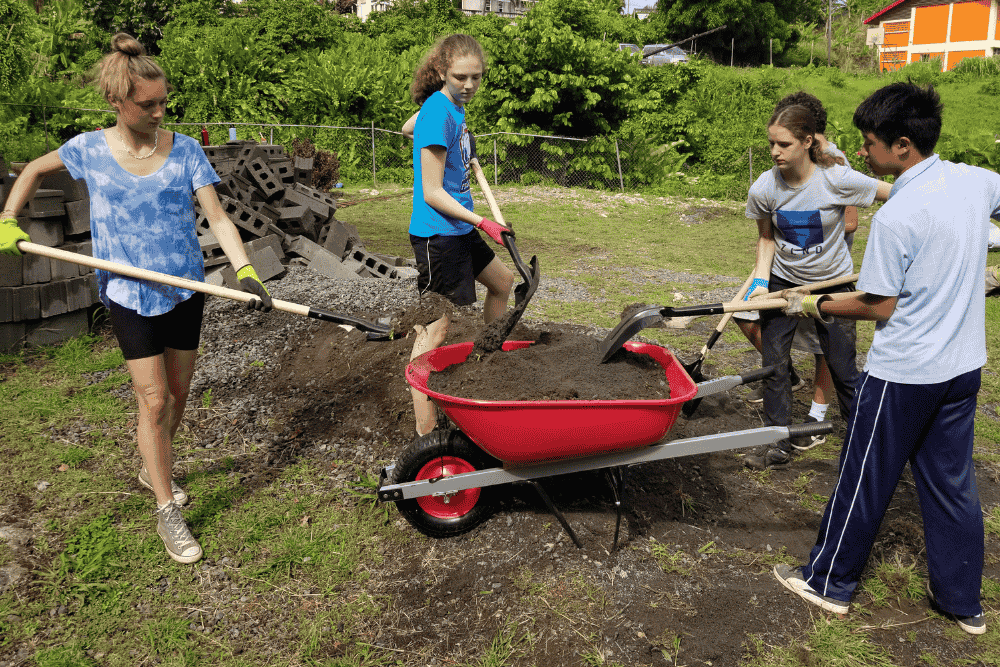
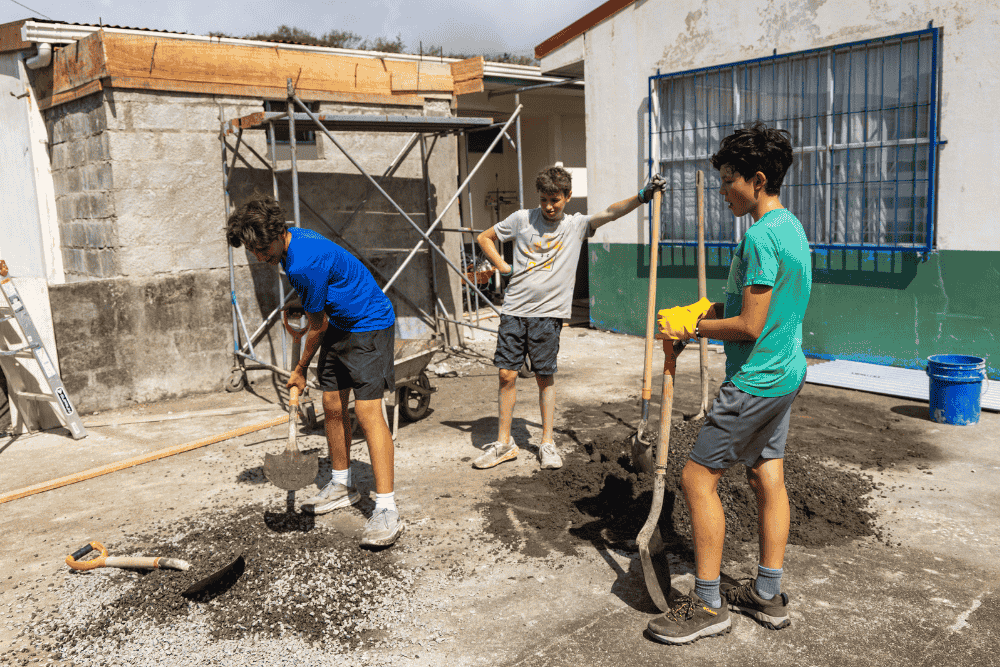
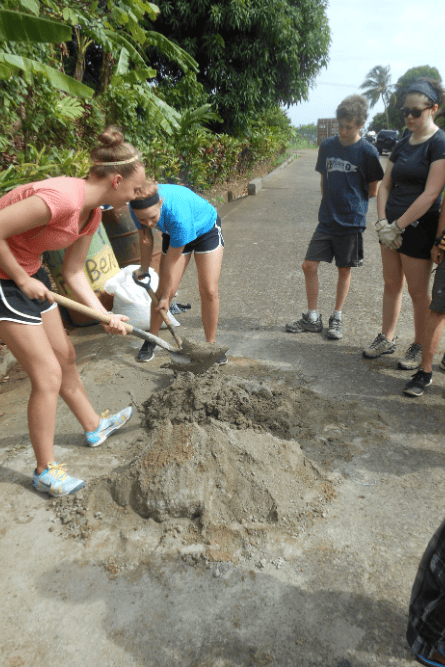
During your time in Jamaica you can expect to work on several different volunteer projects, all focused on rebuilding in the wake of the hurricane. Collaborate with your peers and community leaders to identify projects that will make meaningful contributions to the ongoing recovery efforts. Projects may include light construction, where you may learn to mix cement and lay bricks, or paint a community building. Environmental and agriculture projects are also possible, as well as interacting with local youth while running an arts or sports camp. The focus of this program is making friends and giving back to another culture devastated by the storm. You should come to the summer with an open mind, eager to participate in new experiences, with a good dose of patience, flexibility, compassion, and the expectation that, as communities recover, many things do not go as planned. Participants rotate in small groups through each of the projects, lending a hand in meal preparation and cleanup. To learn more about our Service programs click here.
To encourage full engagement and immersion in the Putney Student Travel experience, we limit the use of cell phones and other devices on our High School programs. Students are allowed to use their phones in transit to and from the program. During in-country orientation, leaders facilitate a call home, then collect and securely store all phones for the first half of the program. At the end of this tech-free period, leaders return student phones for the second half of the program. During the tech-free portion of the program, students have the opportunity for a weekly call home according to a pre-arranged schedule. For more details, please see our FAQ.
Pursue an independent project and explore an aspect of local culture of particular interest to you—explore an aspect of local culture of particular interest to you—learn to cook a typical dish, interview local girls and women, or organize a community-wide soccer tournament.
This is a physically active summer travel program. The service work and afternoon activities can be strenuous, and you can expect to spend most of each day outside: working with local children, surfing, trekking , and swimming. You do not need to be at peak fitness to participate, but it is important that you have a desire to be physically active, and that you are excited about trying all activities.
Living accommodations in the host community are simple but comfortable, and are located within a gated community. We live together as a group in our primary contact’s home, with a number of separate bedrooms and shared spaces. We sleep on camping pads or basic beds, and share bathrooms and showers. During excursions, we sleep in beds in simple but comfortable ecolodges, bungalows, or family-run inns. Leaders reside together with the students throughout the program.
In the host community we eat delicious, home-cooked meals prepared by us and local cooks. Each day several students from the group form cooking and cleaning crews and help the cooks prepare meals. During excursions, we eat most meals in simple restaurants and occasionally visit local markets to shop for picnic lunches.