


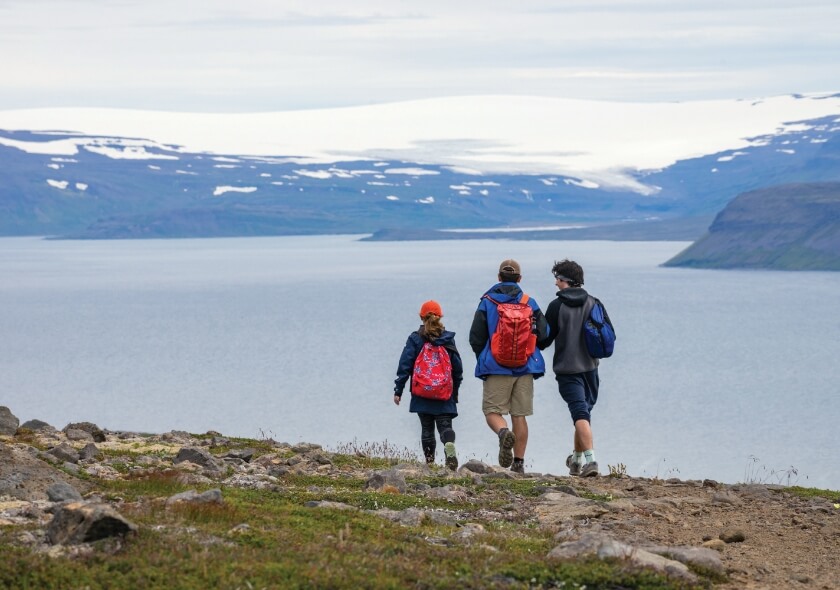
We know that for many parents considering summer programs for their high school or middle school student, safety is the most important part of that decision.
The short answer: Yes, summer travel programs can be very safe, but only when they are thoughtfully designed, well-led, and backed by experienced organizations.
Based on Putney’s 75 years of experience providing safe summer experiences both abroad and in the U.S., we’ve designed this guide to explain how safety actually works in student travel programs, how to evaluate safety and safety records for different providers, and how to decide which program is right for your student.
Are Summer Travel Programs Safe?
Top-rated, well-run educational travel programs have safety baked into the program design itself, supported by deep institutional knowledge and experience.
The safest programs, whether abroad or in the U.S., share a few key characteristics:
- Experienced adult leaders who are actively engaged with students
- Small group sizes that allow for both supervision and structured independence
- Clear structure and daily routines
- Established safety protocols and emergency systems
- Ongoing support from a central organization
Programs that lack these elements can feel more like loosely supervised travel, which is where risks increase.
How Safety Works in Well-Run Programs
Safety in student travel is not just about rules at the program level.
Small Groups
Group size plays a major role in safety.
- Most strong programs operate with 10–20 students per group
- Leaders are consistently present and involved
- Students are known individually, not just managed as a crowd
Smaller groups allow leaders to notice changes, respond quickly, and build trust.
Experienced Program Leadership
The student-to-leader ratio is important, but on its own it matters less than you might think. The most important safety factor is the quality and experience of the people leading the program.
Look for trip leaders who are:
- Experienced working with middle and high school students
- Trained in leadership, group management, and decision-making
- Comfortable handling unexpected situations
- Engaged and experienced in the program destination and theme, not just logistical coordinators
Learn more about Putney’s program leadership here.
Structure & Supervision
Well-designed programs are structured, keeping students busy and engaged with the place and the program themes.
A typical day includes:
- Planned activities and learning experiences
- Group meals, check-ins, and time for reflection
- Clear expectations for student behavior
- Structured downtime
Emergency Preparedness & Support
Reputable, experienced organizations plan for the unexpected.
Strong programs have:
- 24/7 emergency support from a home office
- Clear communication protocols
- Access to local medical care
- Established response plans for illness, injury, or travel disruptions
- Partnerships with top-rated global emergency services
Learn more about Putney’s approach to safety on our Safety & Risk Management page.
Communication & Staying in Touch
A common concern is: How will I know my child is okay? Most programs balance communication with the aforementioned independence that helps students grow.
Typically:
- Parents receive updates from program leaders
- Students may have limited opportunities to call home
- Emergency contact is always available
While constant communication isn’t the goal, reliable communication is always in place when needed.
Independence vs Supervision
One of the biggest benefits of student travel is helping students grow more independent, but that doesn’t mean a lack of oversight.
Good programs strike a balance of independence and supervision:
- Students are given age-appropriate independence
- Leaders remain nearby and attentive
- Expectations are clearly defined
This allows students to build confidence while still being supported.
Safety Questions Parents Should Ask
Before enrolling, ask any organization:
- Who are the leaders, and what is their experience?
- What does a typical day look like?
- How are students supervised during free time / downtime?
- What happens in an emergency?
- How does communication with families work?
You can find answers to these in our FAQ here.
Key Indicators of Safe Programs
Like we said at the beginning, it’s helpful to remember that safety is not just a compilation of statistics: it’s baked into the entire program design itself.
The safest programs:
- Are built around community, not logistics
- Prioritize people (leaders) over itineraries
- Have years of operational experience
- Are transparent about how they operate
The Most Important Thing to Remember
It’s understandable to feel some hesitation about sending your student away for a summer experience, especially one that involves travel.
But for many families, these programs become some of the most meaningful and transformative experiences students have.
When a program is thoughtfully designed, well-led, and rooted in strong, mission-driven values, it can (and should!) offer both safety and growth at the same time.