
Check out Oxford Academia programs at University of Oxford
For students currently in grades 9–12
Business of Sports
Future of Transportation
Future of Science
Business & Design
Wildlife Conservation
Photography
Marine Conservation
Photography Workshop
Photography
Creative Writing
Farm to Table
Photography Workshop
Australia, New Zealand, & Fiji
Finland
Iceland
Italy & Greece
Japan
Kilimanjaro
Patagonia: Skiing
Switzerland, France, & Holland
France
China
Spain
Valencia & the Pyrenees
Costa Rica
Ecuador & the Galápagos
Hawai'i
Nepal
Peru
Tanzania
Thailand
Vietnam

These programs award Certificates of Completion from Oxford Academia, Harvard Chan C-CHANGE, and Columbia Climate School.

For students currently in grades 6–8
Grades 6–8
Canadian Arctic
Japan
Grades 7&8
Canadian Arctic
France & Holland
Greece & Italy
Iceland
Japan
Grades 7&8
France
Spain
Grades 6–8
Costa Rica
Grades 7&8
Costa Rica
Ecuador & the Galápagos
Hawai'i
Academic Programs

*These programs are typically for students in grades 9–12, however motivated rising 9th graders will be considered

Special programs & collaborations
Custom Programs

Looking to create a custom program or collaboration?

Challenge yourself academically at the world's most prestigious universities

Non-profit organization offering student travel scholarships

High school youth summit focused on climate change, medicine, & health

columbia-climate-school-icon

Campus-based climate change program in Vermont for grades 9–12

Canadian Arctic

Wildlife Conservation at the Arctic’s Edge

July 14 — July 24
July 21 — July 31
$7,290 + airfare

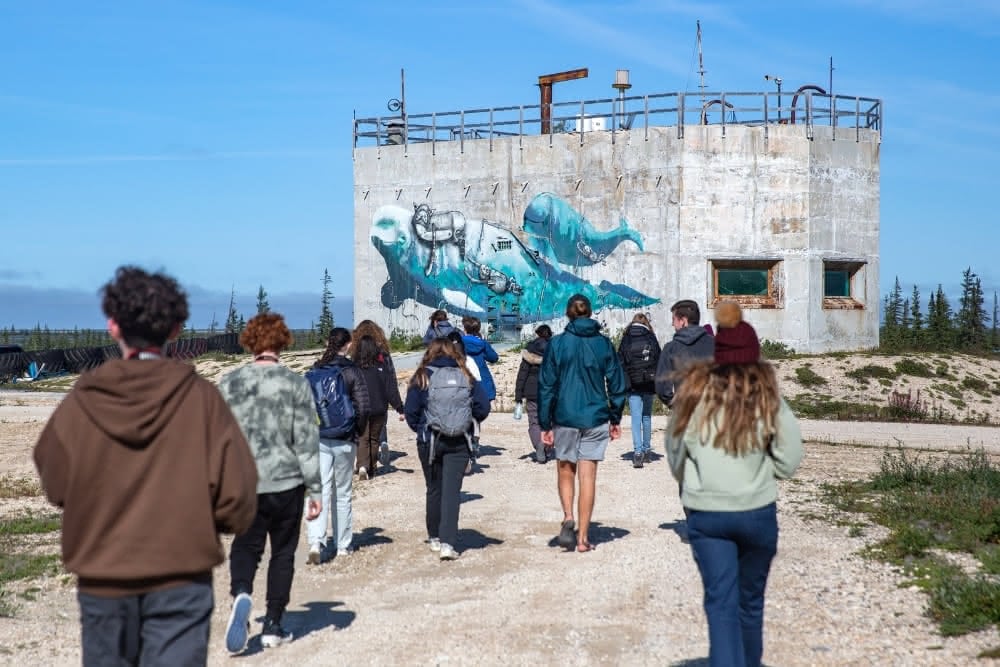
Head north this summer on our middle school program in the Canadian Arctic and explore one of our planet’s most stunning wildlife habitats. From your base at an Arctic research facility in Churchill, Manitoba, experience this habitat and its migratory wildlife, from caribou to beluga whales. Under the guidance of experienced program leaders and the facility’s researchers, witness firsthand how this fragile environment is responding to changing climate conditions, and learn how scientific findings are being used to protect wildlife and adapt to rising temperatures. Discover Arctic wildlife, landscapes, and waterways, and connect with Indigenous communities through hands-on activities and outdoor exploration. Kayak alongside beluga whales, investigate tidal zones, learn how plants and animals adapt to extreme conditions, and explore how people live in this remote environment. Along the way, meet local experts and researchers, gain a deeper understanding of the incredible Arctic, and return home with new friends and increased confidence as a young traveler.

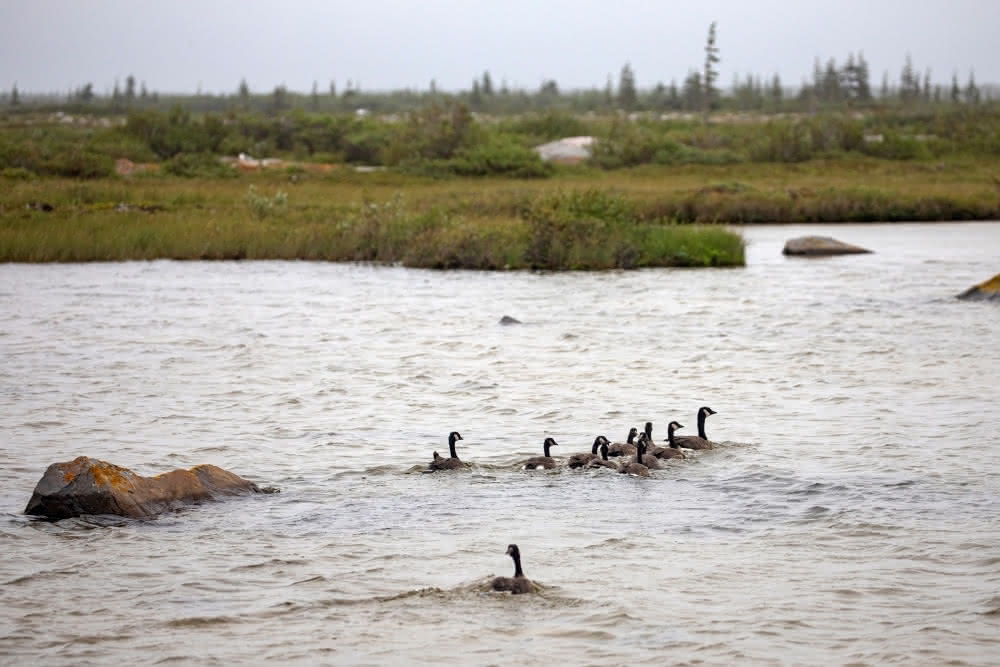
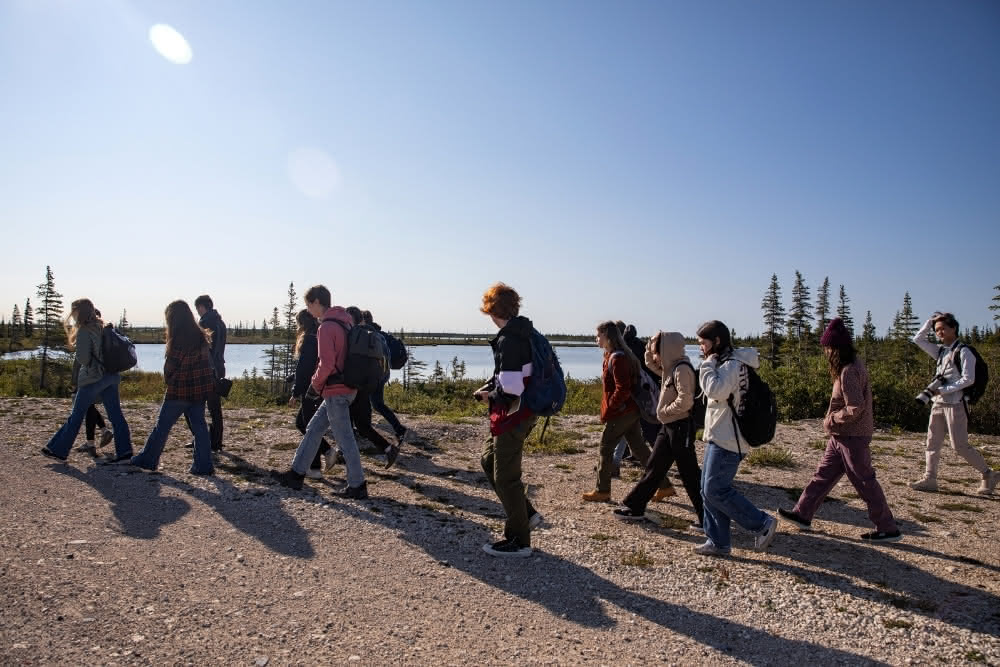
• Venture out on the tundra to scout for caribou, foxes, and migratory birds
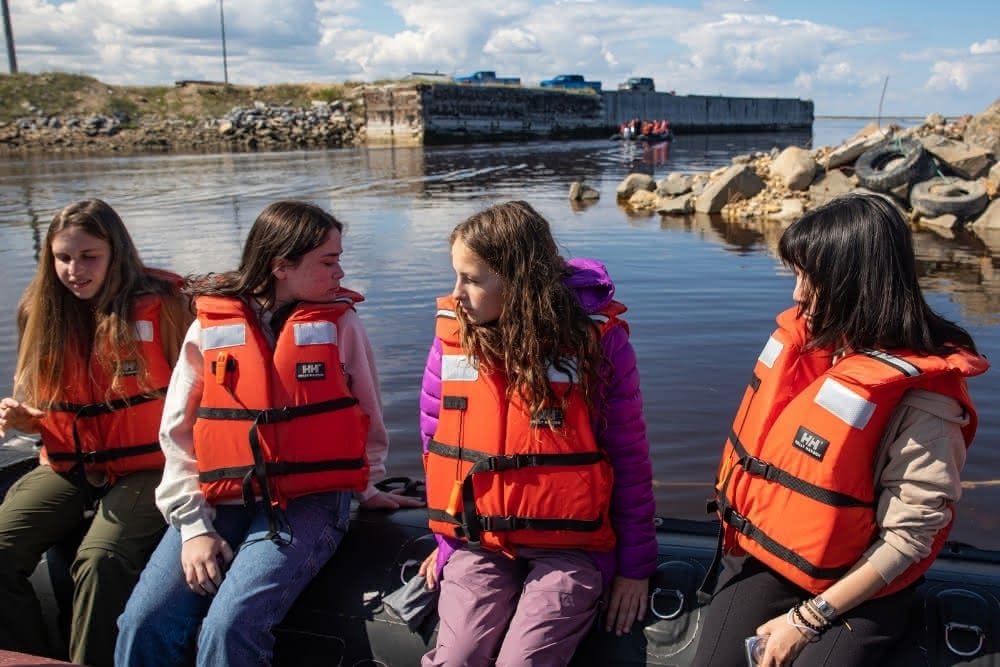
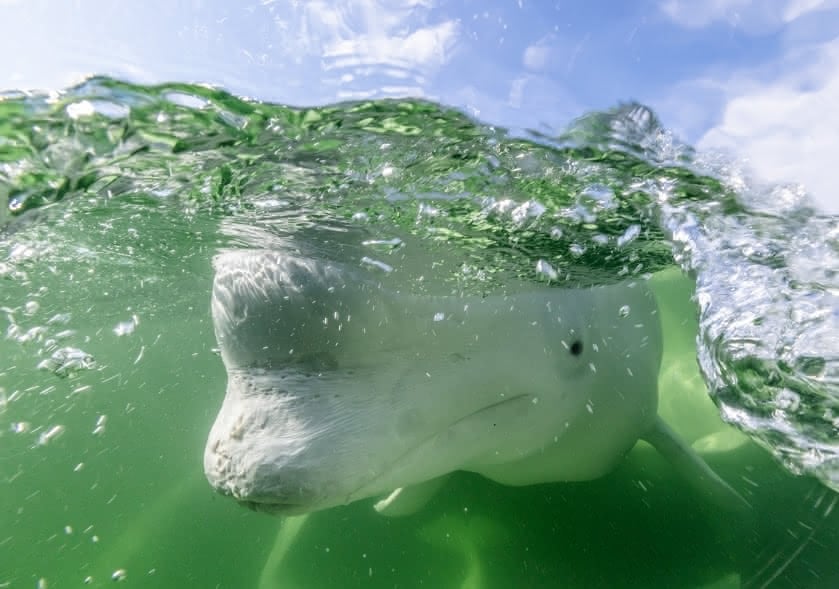
• Kayak with belugas and learn about scientists’ understanding of their “singing”
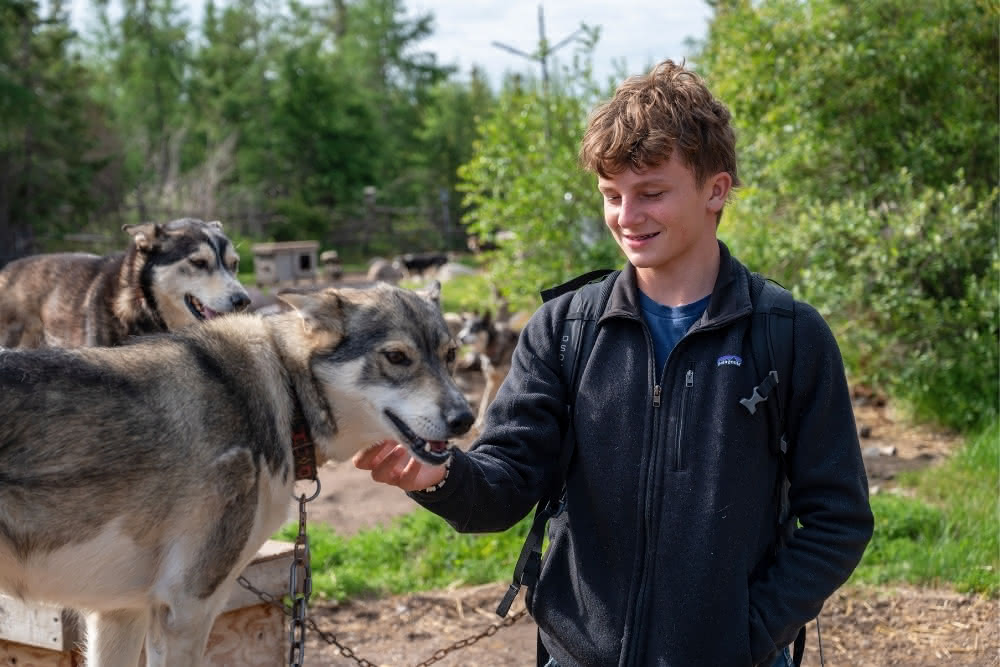
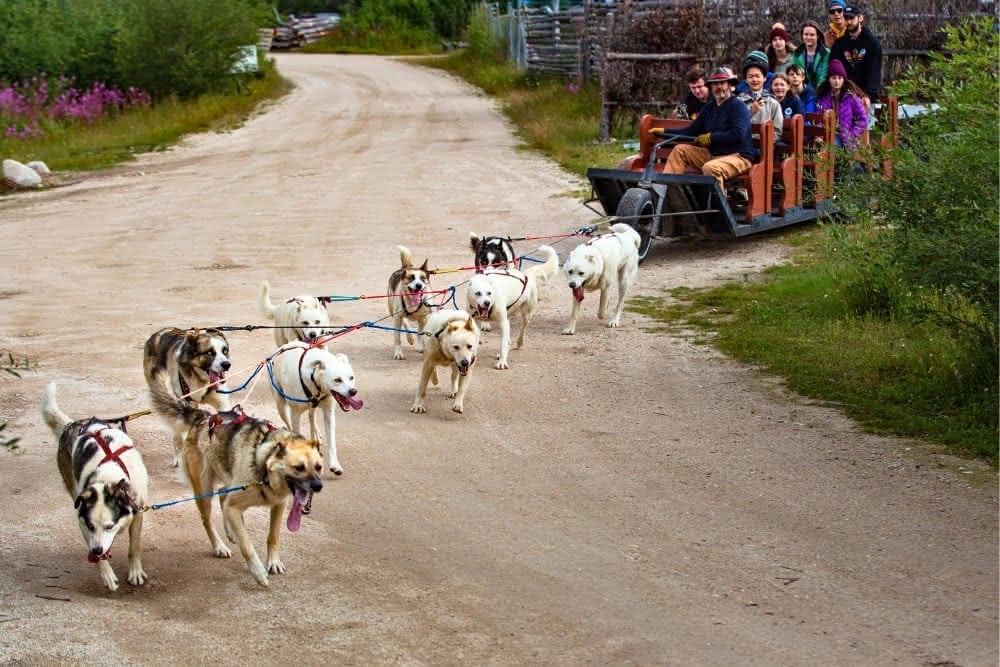
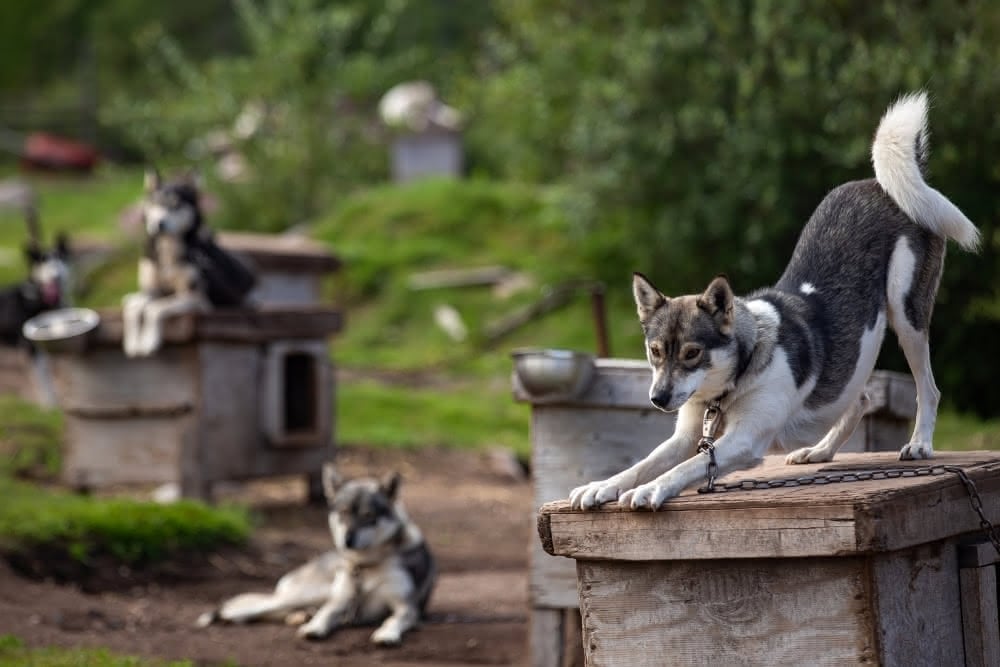
• Take a dog sledding lesson with experienced mushers while learning about its rich history
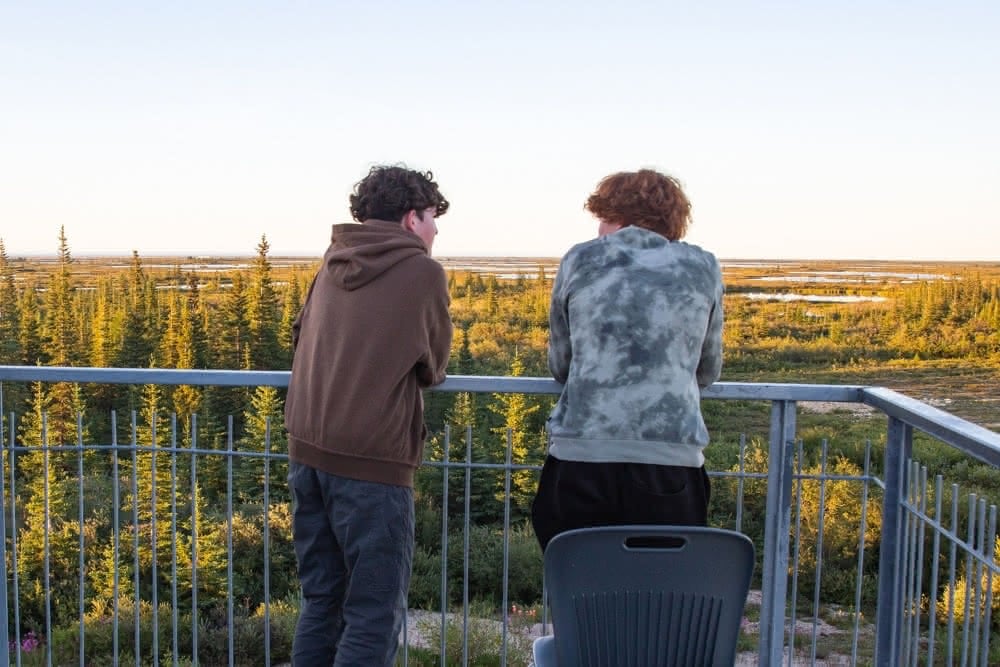
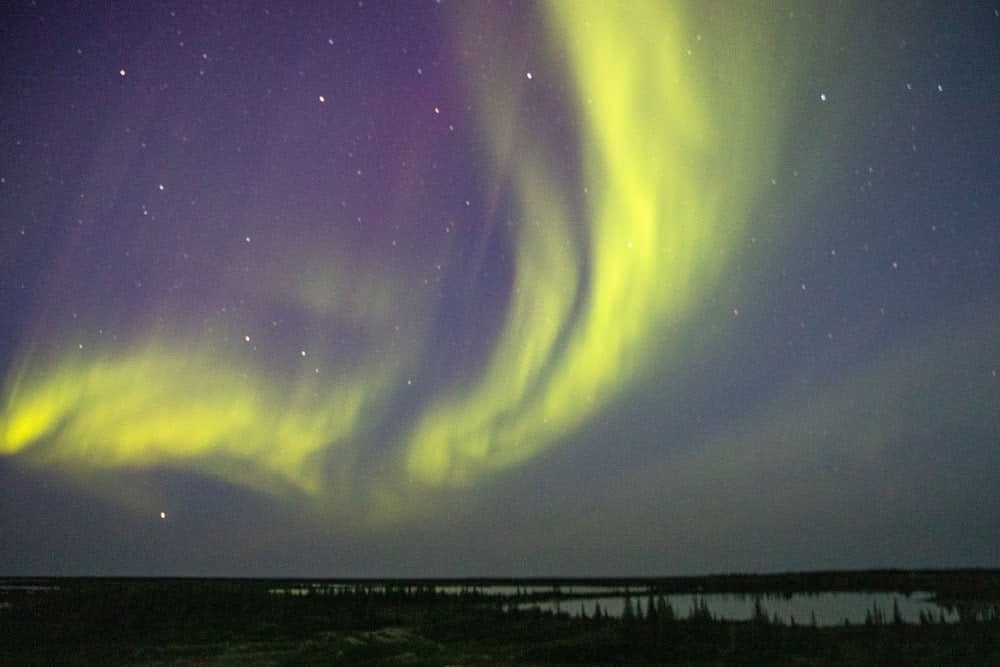
• Search for the Northern Lights from the deck of an Arctic research center
“Olivia had a fabulous summer. She sounded like she was on a natural high every time we spoke to her. She was animated and enjoyed her time with the community— her joy was so authentic!”
—Rebecca & Darren A., Greenwich, CT

Itinerary

This itinerary represents our best projection of the group’s schedule. However, we may implement changes designed to improve the quality of the program.

Please note that, although we work with local experts to optimize our chances of spotting wildlife, sightings cannot be guaranteed.

Departure — Travel Day

Meet your fellow middle school student travelers and your program leaders In Winnipeg, Manitoba. Spend your first night getting to know your group before flying north to Churchill the following day. Begin your program with an in-depth group orientation and introduction to the Arctic environment, wildlife, and communities you’ll encounter during your time in the North. To learn more about how we organize travel, click here.

Churchill, Canada — 2 days

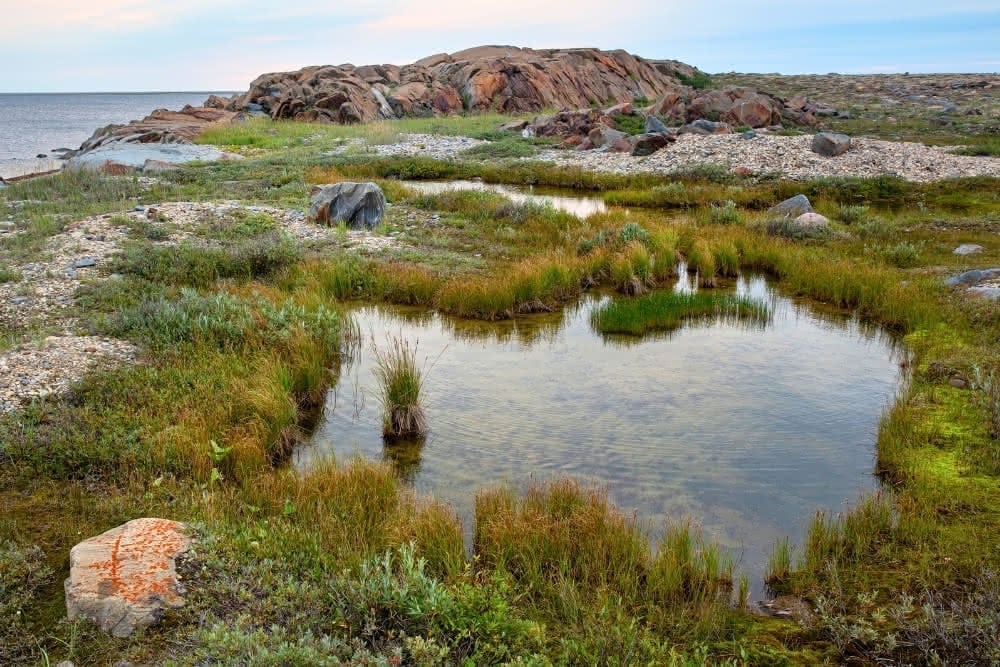
Begin your Arctic adventure in the remote town of Churchill, located on the shores of Hudson Bay. Get introduced to the local community and learn what everyday life is like in this northern town. Marvel at hundreds of Inuit artifacts at the Itsanitaq Museum, and meet with Indigenous elders to immerse yourself in the customs of the area. Learn from guides about traditional transportation, including the role of dog sledding in the North, and explore the shoreline of Hudson Bay while observing and photographing the landscape and wildlife around you. Learn about Arctic ecosystems and wildlife from polar bears and arctic foxes to seals and seabirds, and discover conservation efforts to understand and protect these species and their habitats.

Churchill Northern Studies Centre — 7 days

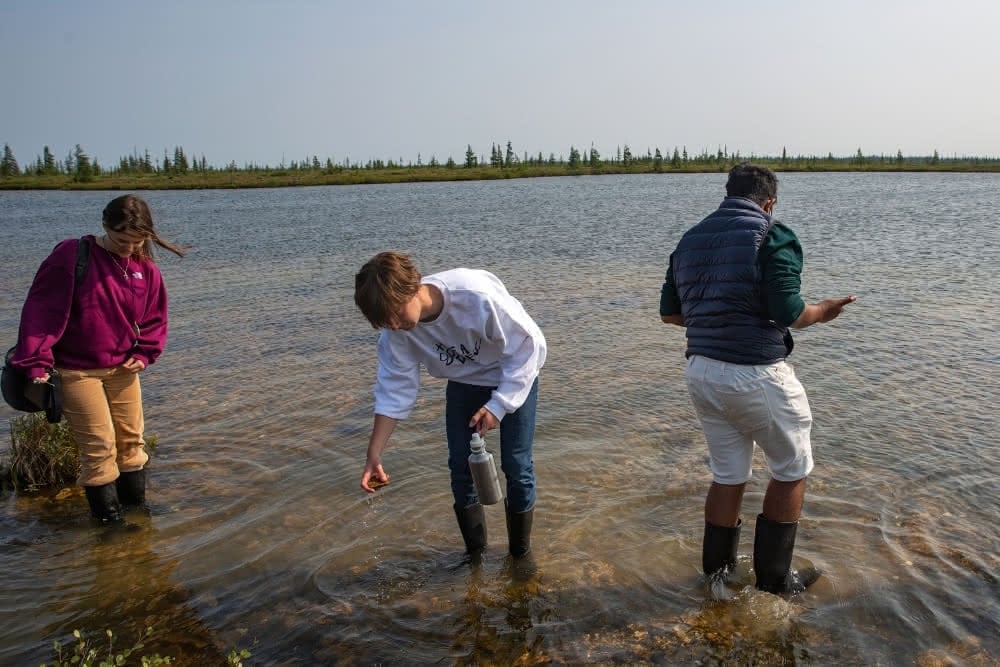
Spend a week exploring the Arctic through hands-on activities, outdoor adventures, and interactive learning. Kayak alongside beluga whales and learn about their communication and the marine ecosystem they depend on. Take a guided walk along the tidal flats to discover aquatic invertebrates and investigate the life found along the coast. Travel across the tundra to observe wildlife, identify native plants, and learn how species adapt to the Arctic environment.

Explore the challenges of living in a remote northern community by learning about hydroponics and other approaches to growing fresh food. Build and launch model rockets at the historic Churchill Rocket Research Range, and hear from local guides about traditional trapping and how livelihoods in the region have changed. Throughout your time in the Arctic, document what you see through photographs or journaling, explore the night sky, and reflect on what you’ve learned.

Return — Travel Day

Fly from Churchill to Winnipeg with your group and a leader, then spend one final night together before continuing on to your final destination.
Featured

Program Leaders

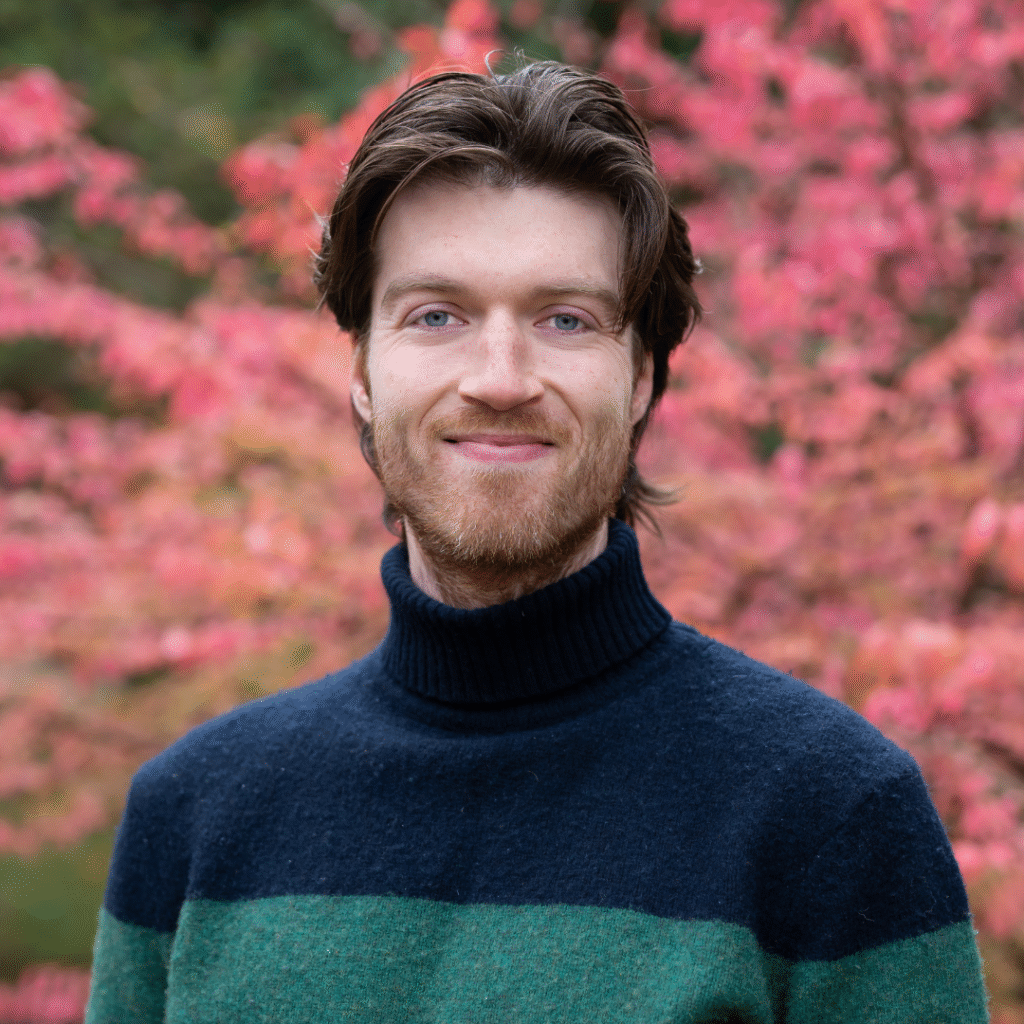
Meet some of our featured leaders. Please note that these may not be your leaders for the program. 

2026 CCANA - Karim Iliya
Karim Iliya
View Bio
MSXICE Vanessa Vazquez
Vanessa Vazquez
View Bio
Loading...
About the Destination

Churchill, Manitoba, draws wildlife enthusiasts, climate change researchers, birders, photographers, and adventurers from around the world. The small town of less than 1,000 residents is a remote community on the shores of Hudson Bay where tundra, boreal forest, and marine environments meet. During the summer months, approximately 3,000 beluga whales flock to the Churchill River Estuary to feed, calve, and molt their skin. Manitoba is located in the traditional territories of the Cree, Dakota, Dene, Ojibway, and Oji-Cree First Nations, as well as the Metis nation. Churchill is home to several significant historical sites, such as tent rings and summer campsites that have been attributed to the first inhabitants of the Churchill area, dating back 3,000 years.

Language

English and French are both official languages of Canada. English is the most commonly spoken language, followed by Cree, Inuktitut, French, and Dene. The languages of Dakota, Michif, Ojibwe, and Ojibwe-Cree are also used in Manitoba.

Climate

Light rain and temperatures in the mid-50s°F/13°C are most common during the summer. Churchill is known for dramatic weather shifts, and summertime temperatures vary widely, ranging from the low 40s°F/5°C to the low 70s°F/21°C. Days are long with the sun shining an estimated 19 hours a day!

Cuisine

The food on this program is very similar to fare in the United States, and we encourage you to try local specialties, should you come across them. Vegetarians and travelers with dietary restrictions can certainly be accommodated as well.

About the Destination

Churchill, Manitoba, draws wildlife enthusiasts, climate change researchers, birders, photographers, and adventurers from around the world. The small town of less than 1,000 residents is a remote community on the shores of Hudson Bay where tundra, boreal forest, and marine environments meet. During the summer months, approximately 3,000 beluga whales flock to the Churchill River Estuary to feed, calve, and molt their skin. Manitoba is located in the traditional territories of the Cree, Dakota, Dene, Ojibway, and Oji-Cree First Nations, as well as the Metis nation. Churchill is home to several significant historical sites, such as tent rings and summer campsites that have been attributed to the first inhabitants of the Churchill area, dating back 3,000 years.

Language

English and French are both official languages of Canada. English is the most commonly spoken language, followed by Cree, Inuktitut, French, and Dene. The languages of Dakota, Michif, Ojibwe, and Ojibwe-Cree are also used in Manitoba.

Climate

Light rain and temperatures in the mid-50s°F/13°C are most common during the summer. Churchill is known for dramatic weather shifts, and summertime temperatures vary widely, ranging from the low 40s°F/5°C to the low 70s°F/21°C. Days are long with the sun shining an estimated 19 hours a day!

Cuisine

The food on this program is very similar to fare in the United States, and we encourage you to try local specialties, should you come across them. Vegetarians and travelers with dietary restrictions can certainly be accommodated as well.

Frequently Asked Questions

Review specific program questions here. For more general information, visit our full FAQ:

What are the main focuses of this program?

Our Exploration Canadian Arctic middle school program is an opportunity for young travelers to explore Arctic wildlife, ecosystems, landscapes, and communities through hands-on activities and outdoor adventures. Students discover the three ecosystems that converge in Churchill—tundra, boreal forest, and marine—while kayaking with beluga whales, exploring tidal zones, observing wildlife, and learning how plants and animals have adapted to life in the North. With experienced program leaders, Arctic researchers, and local contacts, students also learn about conservation, sustainability, Arctic research, and the culture of northern communities. For students who have an interest in photography, this program provides the opportunity to develop those skills. Students are encouraged to bring a camera.

What is an Independent Project?

All students on Putney programs pursue an independent project as a way to more deeply engage with aspects of local culture that are of particular interest to them—in the Canadian Arctic, you might interview a park ranger about the First Nations history of Churchill and share their story as a post on the group blog; photograph the spiraling swirls of the Northern Lights and discuss your process; or collect specimens on a tidepooling walk and work with the Churchill Northern Studies Centre to learn about the health of the marine ecosystem.

What is the technology and cell phone policy?

To help students fully engage and immerse themselves in the Putney Student Travel experience, we do not allow use of cell phones or other internet-connected devices (including tablets, smart watches, laptops, etc.) on our middle school or high school travel programs. Students may have their cell phones during travel to and from the program. During the group’s in-country orientation, program leaders facilitate a call home, then collect and securely store all phones until departure day. Throughout the program, students have the opportunity for a weekly call home according to a pre-arranged schedule. For more details, please see our Approach to Technology.

How physically active is this program?

This is an active middle school summer travel program that includes several excursions in a subarctic environment. To get the most out of the program, you should be enthusiastic about outdoor activities such as light hiking and kayaking. You do not need to have previous experience to participate, nor do you need to be at peak fitness to participate, but it is important that you have a desire to be physically active, and that you are excited about trying all activities.

What are the accommodations for this program?

In Churchill, the group stays in a warm and welcoming family-run hotel in the heart of town, where students can experience the character of this small community. During our time at the research station, we stay in dormitory-style accommodations, where scientists, researchers, and students from a range of disciplines come together to study the region. Leaders reside with students for the duration of the program.

What are meals like in Churchill?

Students can expect to eat meals at the research station or residence, and take packed lunches while out exploring the tundra or kayaking. On occasion, the group stops at local cafes for snacks and warm beverages.

What type of student is most successful on this program?

Our Canadian Arctic program is a great fit for curious, adventurous middle school students (grades 6–8) who enjoy being outside and want to explore somewhere very different from home. Students should be interested in wildlife, nature, science, photography, or learning about how people live in a remote environment. Most importantly, students should be excited to try new things, ask questions, and take part in the group experience, all in a supportive environment designed for young travelers.

What makes Churchill a good location for a Putney Student Travel program?

Churchill is a remarkable place to explore the Arctic because three very different ecosystems—marine, boreal forest, and tundra—meet in the surrounding region. This creates opportunities to encounter a wide range of wildlife and landscapes while learning how plants, animals, and people have adapted to life in the North.

Putney has offered summer programs in the Canadian Arctic for many years, and our long experience in Churchill and relationships with local experts and organizations help us create a program that goes beyond simply seeing wildlife. Our middle school students spend time in the field, learn from researchers and community members, develop their photography skills, and explore different perspectives on conservation and the Arctic environment. Our combination of hands-on learning, meaningful local connections, and small-group travel allows students to experience Churchill in a deeper and more personal way.

How does the Middle School Canadian Arctic program compare to Putney’s other Exploration programs?

The Canadian Arctic middle school program offers a particularly immersive Exploration experience, with a strong focus on wildlife, nature, science, and outdoor discovery. Students spend much of their time outside, through activities such as kayaking, hiking, wildlife observation, and tidal exploration.

The program also offers a unique look at Arctic life and research. Students learn about conservation, sustainability, traditional livelihoods, and how people live in a remote northern community. Photography is woven throughout the experience as a way for students to observe and document the places they encounter.

Do students need prior experience or specific skills to join this program?

No specific experience or skills are required for success on this program, aside from coming with an open mind, willingness to try new things, and participating positively in a supportive, small-group environment. Students do not need previous photography, kayaking, or outdoor experience.

What outcomes, skills, or growth can students expect to gain from this experience?

Middle school students leave Putney’s Canadian Arctic program with a deeper understanding of Arctic wildlife, ecosystems, conservation, and life in a remote northern community. Through hands-on exploration, they practice observation, ask questions, make connections between different ecosystems, and learn how plants, animals, and people adapt to their environment.

Students also gain confidence, independence, and adaptability from traveling to an unfamiliar and remote place. They build friendships with their peers and connections with local guides and experts, while gaining new perspectives on the natural world and their own place within it.


A Day in the Life: Churchill Northern Studies Centre​

Due to the traveling nature of this summer program abroad, each day is different. Here is a snapshot of a day on the program.

8:00am
Enjoy a buffet breakfast at the Churchill Northern Studies Centre
9:00am
Embark on a tidepooling excursion and photograph the unique landscape
12:00pm
Head to the shores of Hudson Bay for a picnic lunch
2:00pm
Join naturalists on a kayak trip into the Churchill River to observe and learn about the beluga that migrate to the estuary each summer
4:00pm
Warm up with a hot chocolate in town at an old trading post-turned-cafe
5:00pm
Enjoy dinner at the Churchill Northern Studies Center
7:00pm
Settle in for a presentation on the fur trapping industry from one of the few remaining active trappers in Churchill
9:00pm
Group meeting to discuss the day and upcoming schedule
11:30pm
Optional late viewing of the Northern Lights, weather permitting
“Looking back on the past two weeks, I realized we did so many things that I wouldn’t normally be able to fit into my summer. I felt so proud and accomplished to have tried and seen so many new things and just to have lived in the moment.”
—Palmer L., Campbell Hall School, Los Angeles, CA

Enroll in two programs & save $1,000!

$800 tuition discount + no application fee

Canadian Arctic
Wildlife Conservation at the Arctic’s Edge
2027 Dates

July 14 — July 24
July 21 — July 31

Duration
11 days

Tuition
$7,290 + airfare


Eligibility
Currently* in grades 6–8
*Your grade as of the day you apply

Typical Group
14–16 students, 2 leaders

Group Flight
Departs from Winnipeg, Manitoba

Questions? Visit our FAQ or call us at (802) 387-5000

Request More Info

Questions?
We'd love to chat! Schedule a call the program director.

2027 Programs Coming Soon!

Be the first to get program updates, hear alumni stories, and stay in the know as we celebrate 76 years of trusted travel programs!

No spam, just inspiring stories and useful info.

Request More Info

Thank you for your request. We’ll be in touch shortly!