

Program Directed by
Juliana Gutierrez & Gregorio Rojas
If you have questions or would like to talk further about this program, please get in touch!



Meet your fellow high school student travelers and one of your leaders in New York, and fly together to Kathmandu, Nepal. To learn more about how we organize travel, click here.
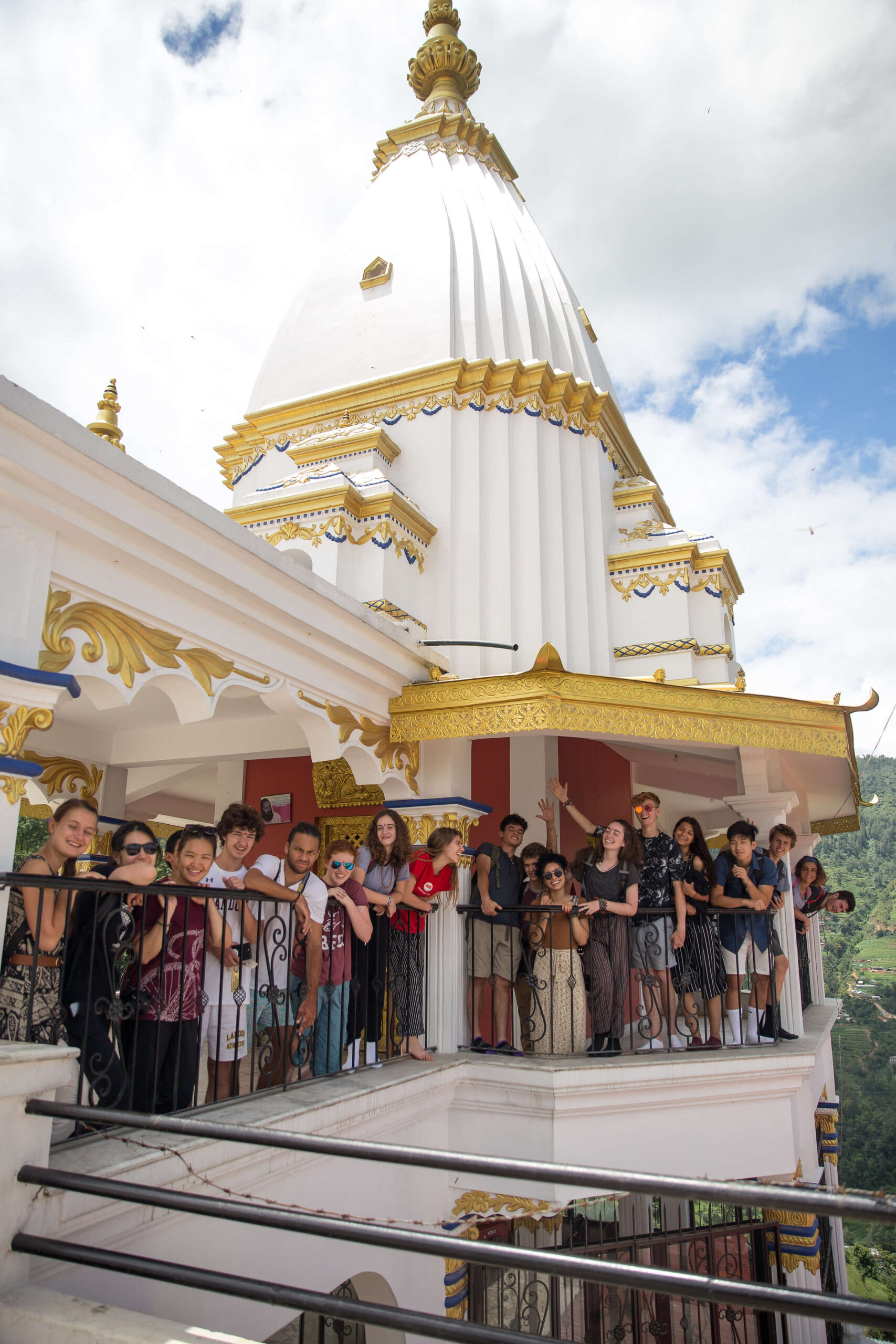
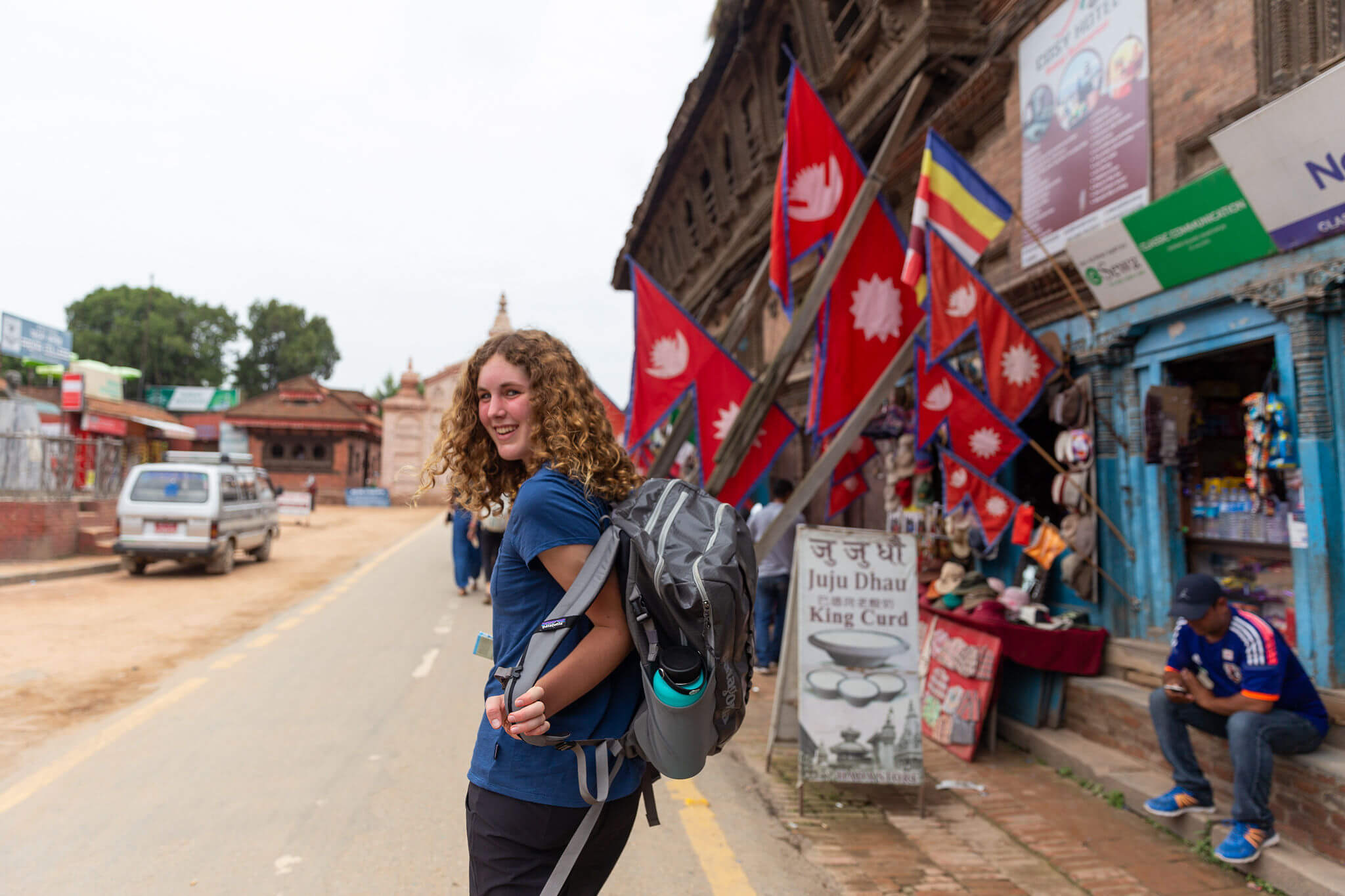
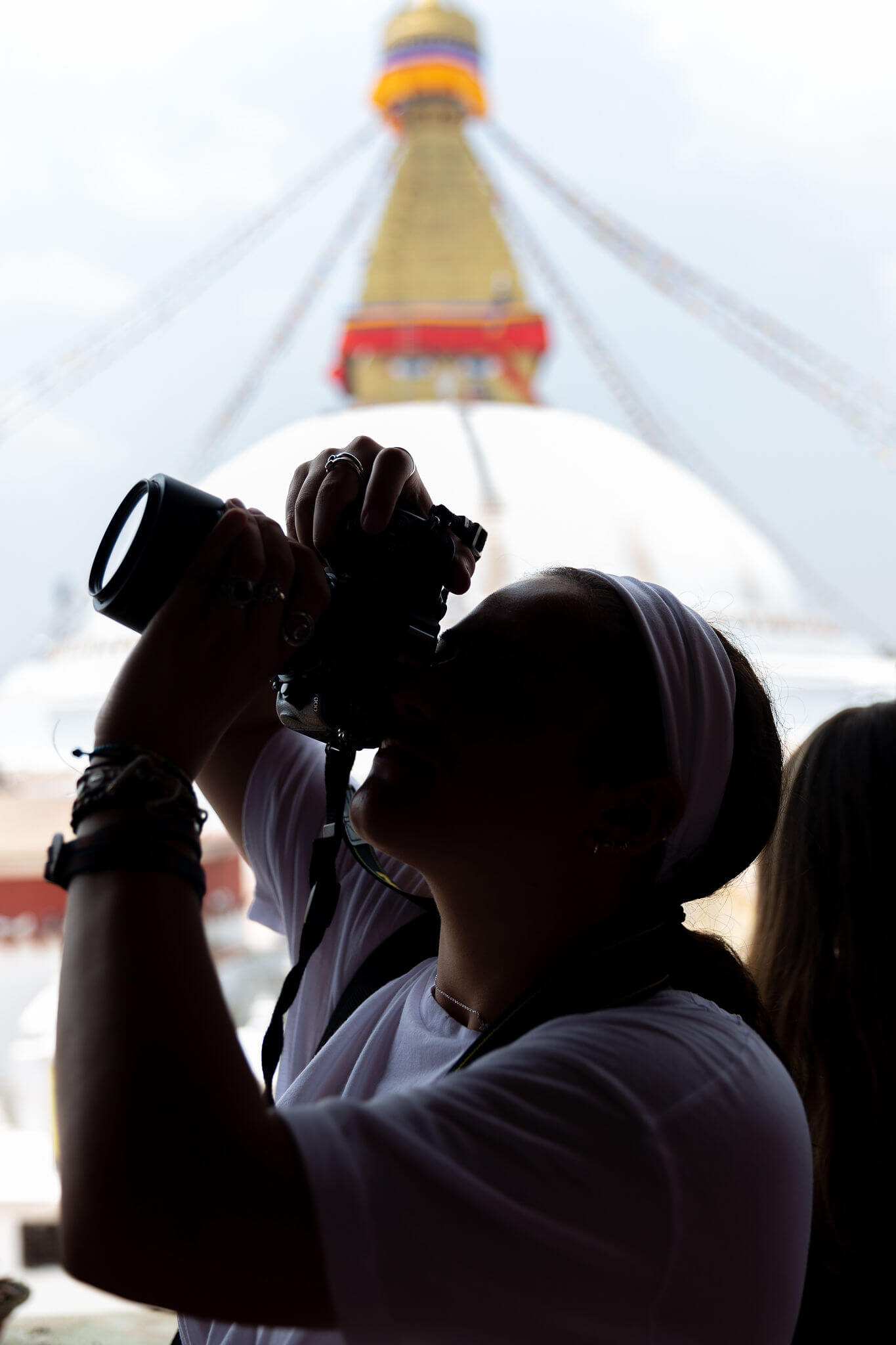
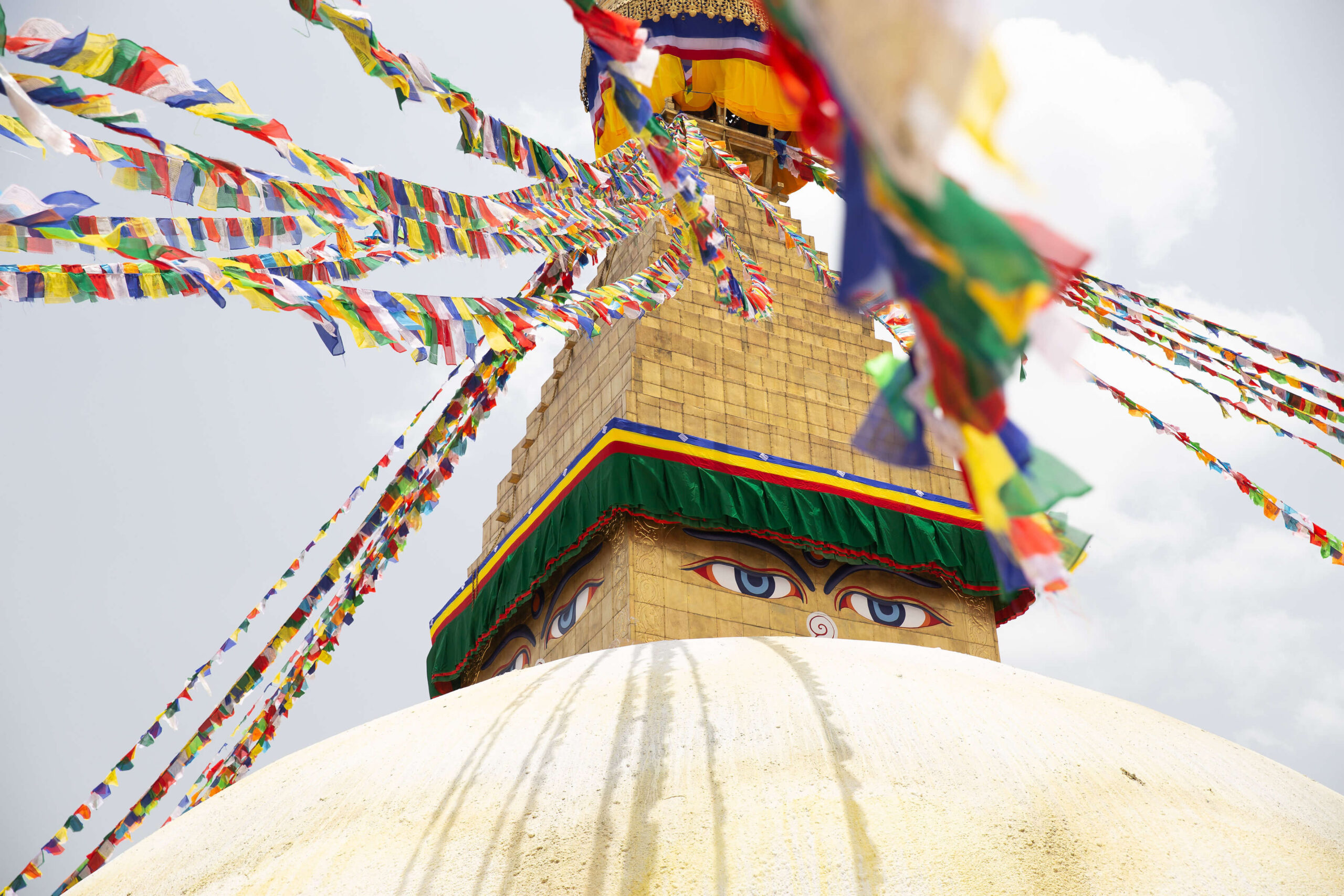
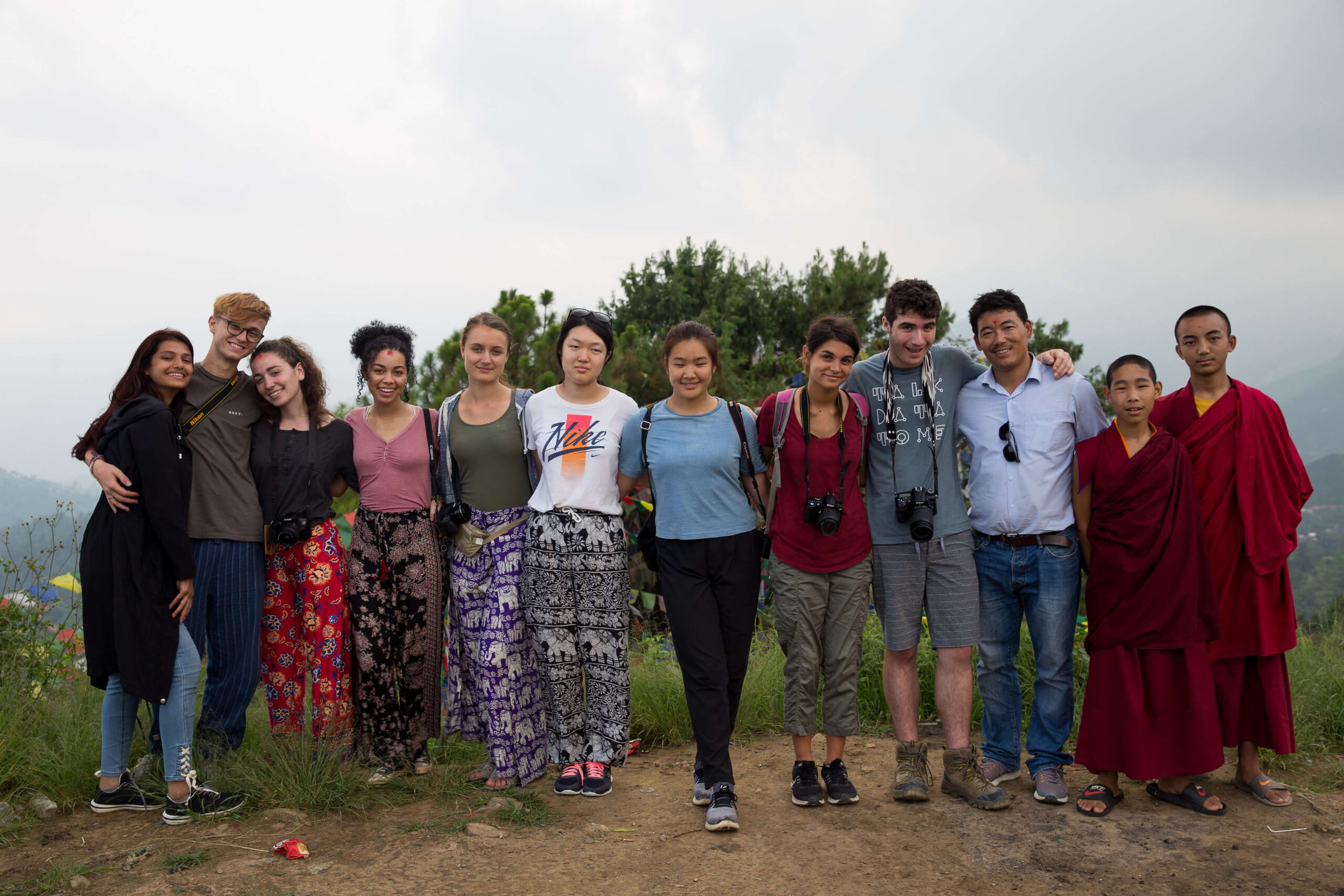
Arrive in Kathmandu and spend the first days of your program living near Pashupatinath, one of the most sacred Hindu sites in Nepal, and Boudhanath Stupa, one of the largest and most ancient Buddhist monuments in the world. Join pilgrims from near and far in their morning walking and tea rituals, visit a hilltop temple teeming with monkeys, and participate in your group orientation. In preparation for your service component, meet with graduates of a local educational program, run by our longtime Nepali hosts, which supports vulnerable youth through learning opportunities, healthcare services, vocational training, and job placement.
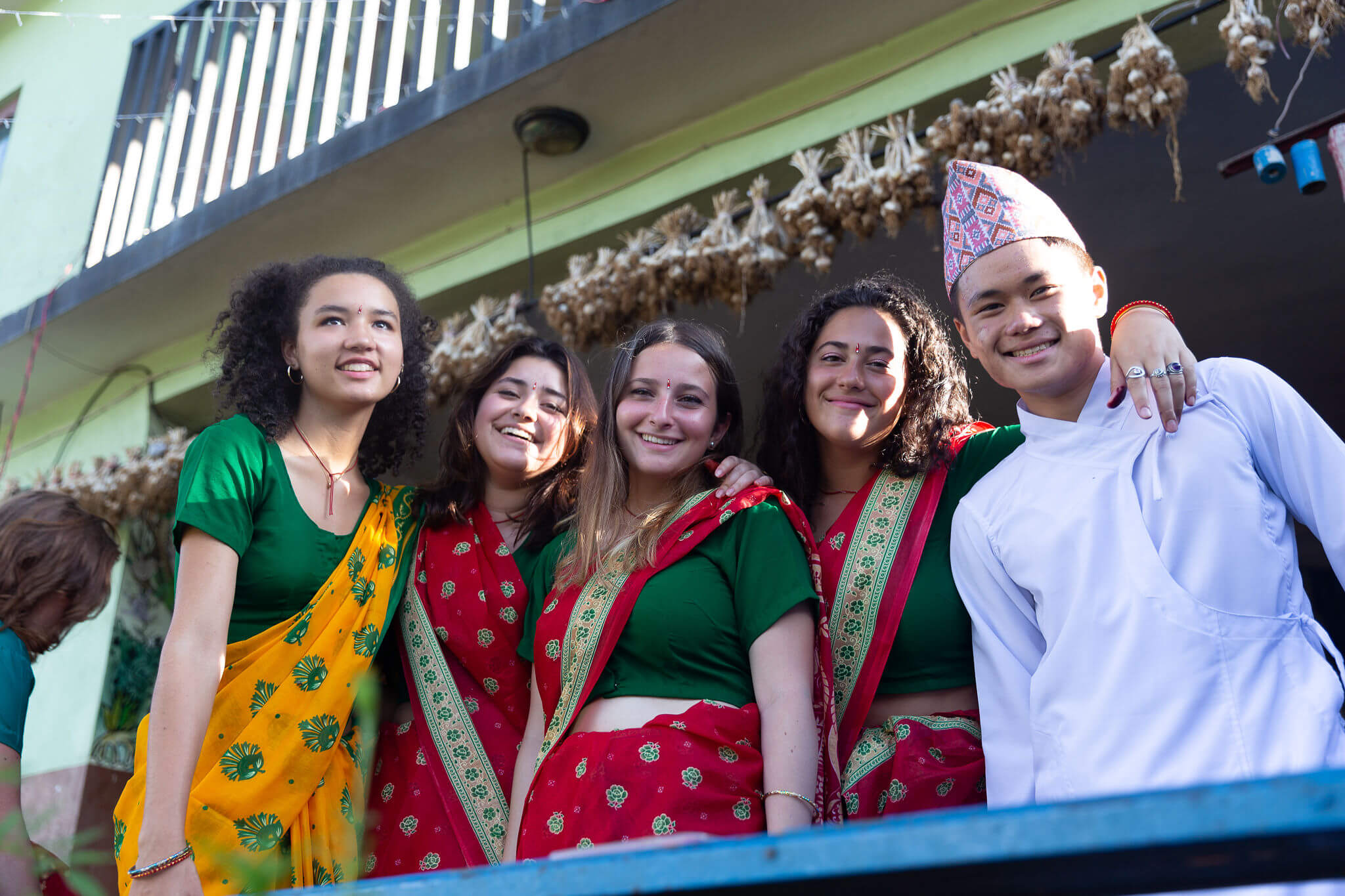
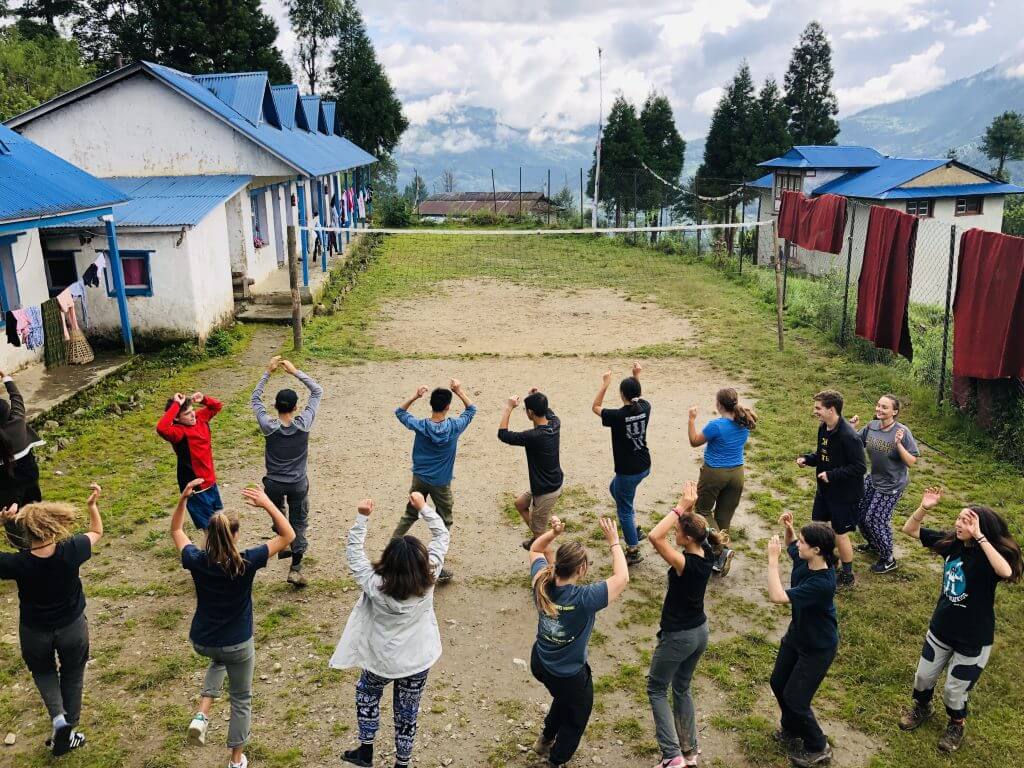
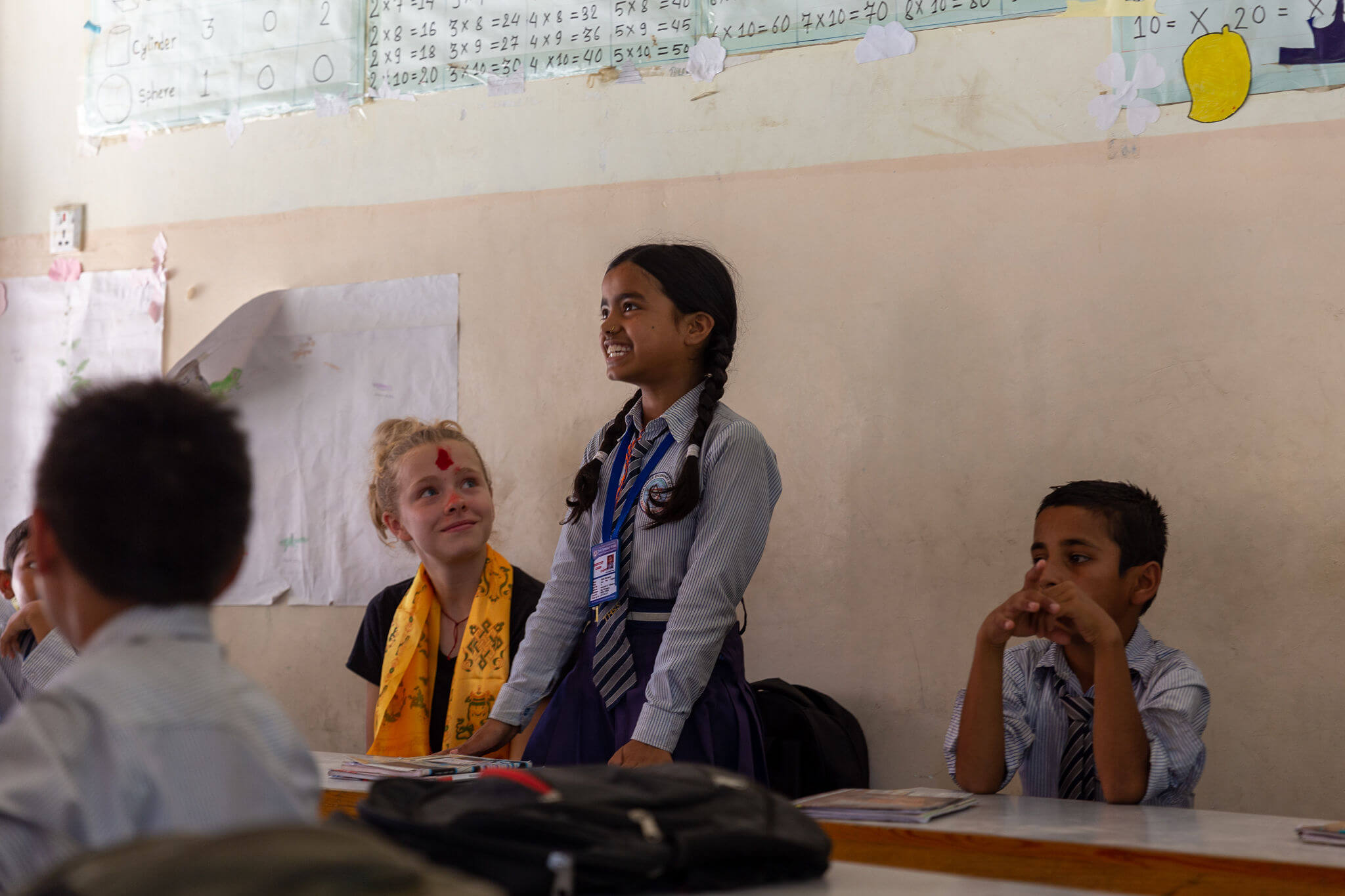
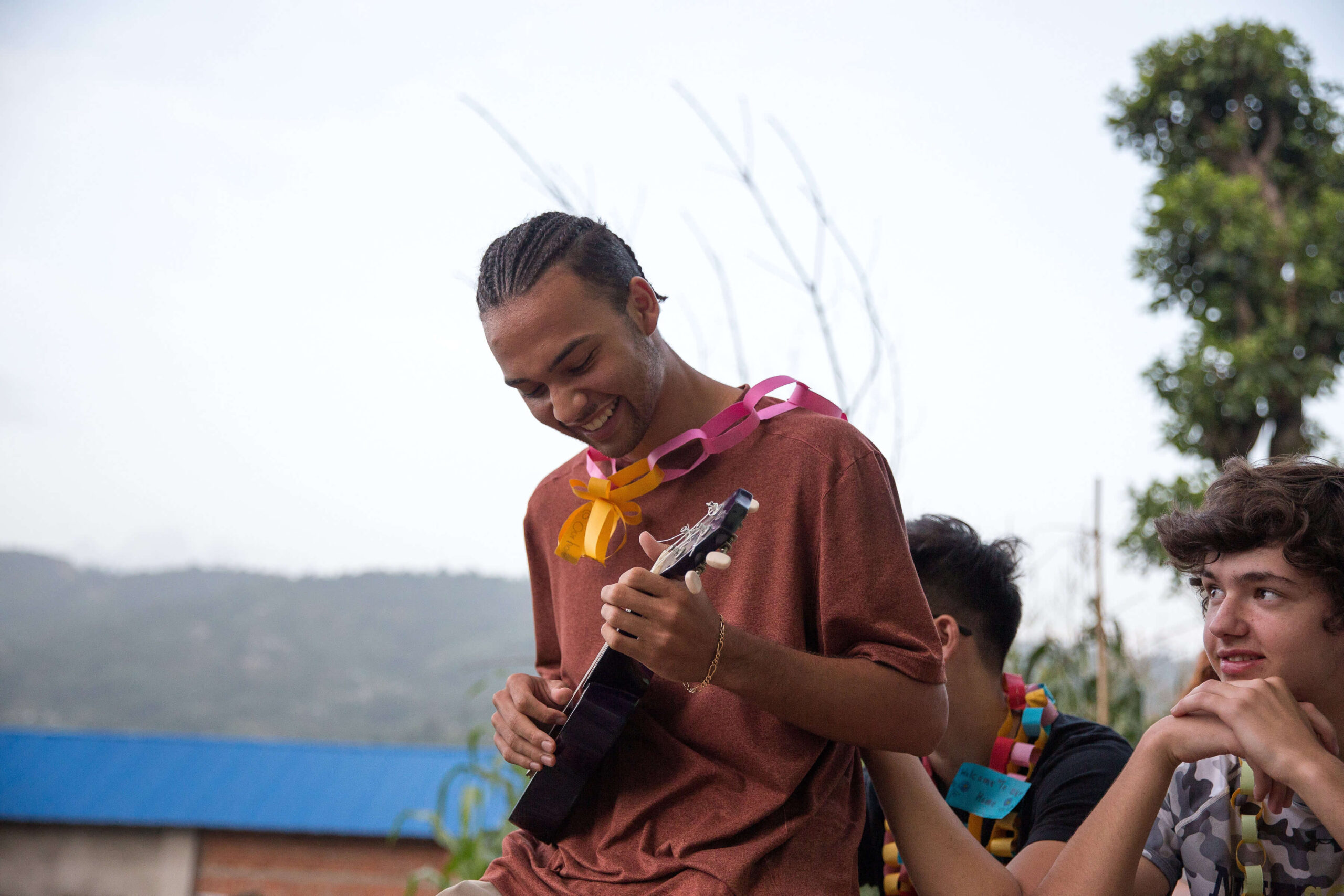
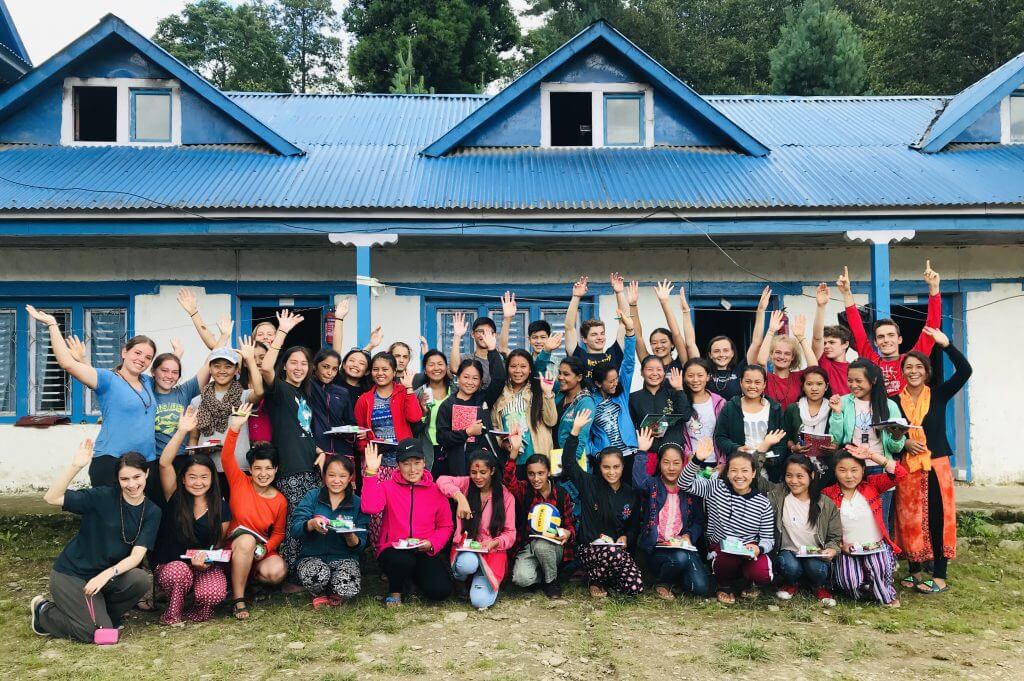
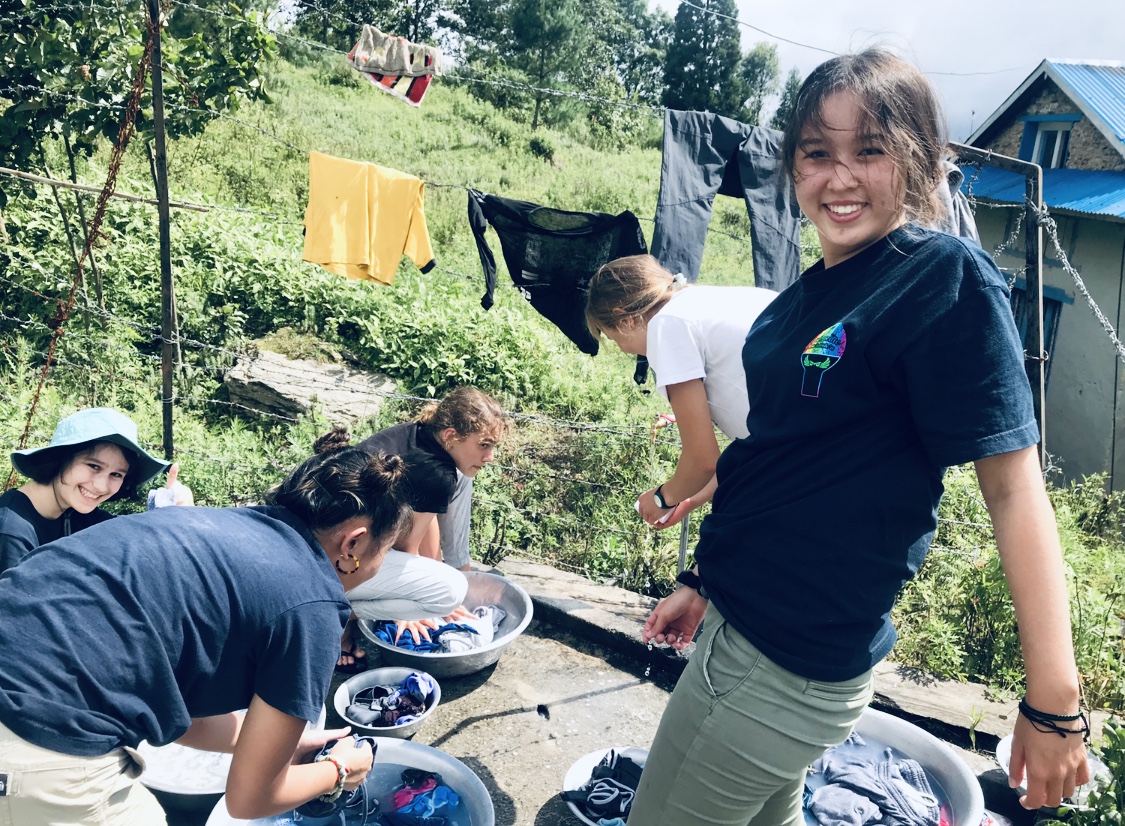
Immerse yourself in the life of a village in the Solukhumbu region, at the base of the valley leading up to Mount Everest. Stay in the guest quarters of a nonprofit resource center and educational program for Sherpa youth who are completing their high school studies. The center is run by close friends of Putney, whose community work has been recognized by the Obama Foundation and the Girls Opportunity Alliance. Help with construction and improvement projects at their school and in the surrounding village: paint classrooms, join in English conversation exercises, or lead after-school enrichment activities. In the afternoons, interview Tibetan monks in a mountainside temple, join neighboring households for tea, host a volleyball tournament (Nepal’s national sport) with new friends, and explore the local market. In the evenings, exchange stories about cultural heritage, learn traditional dances, and help cook local specialties such as momos.
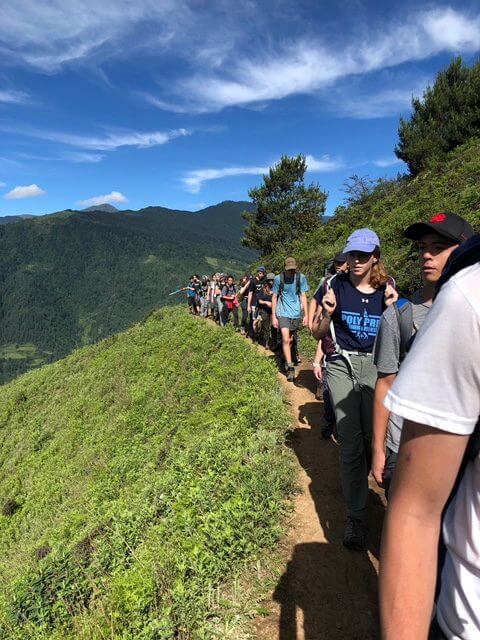
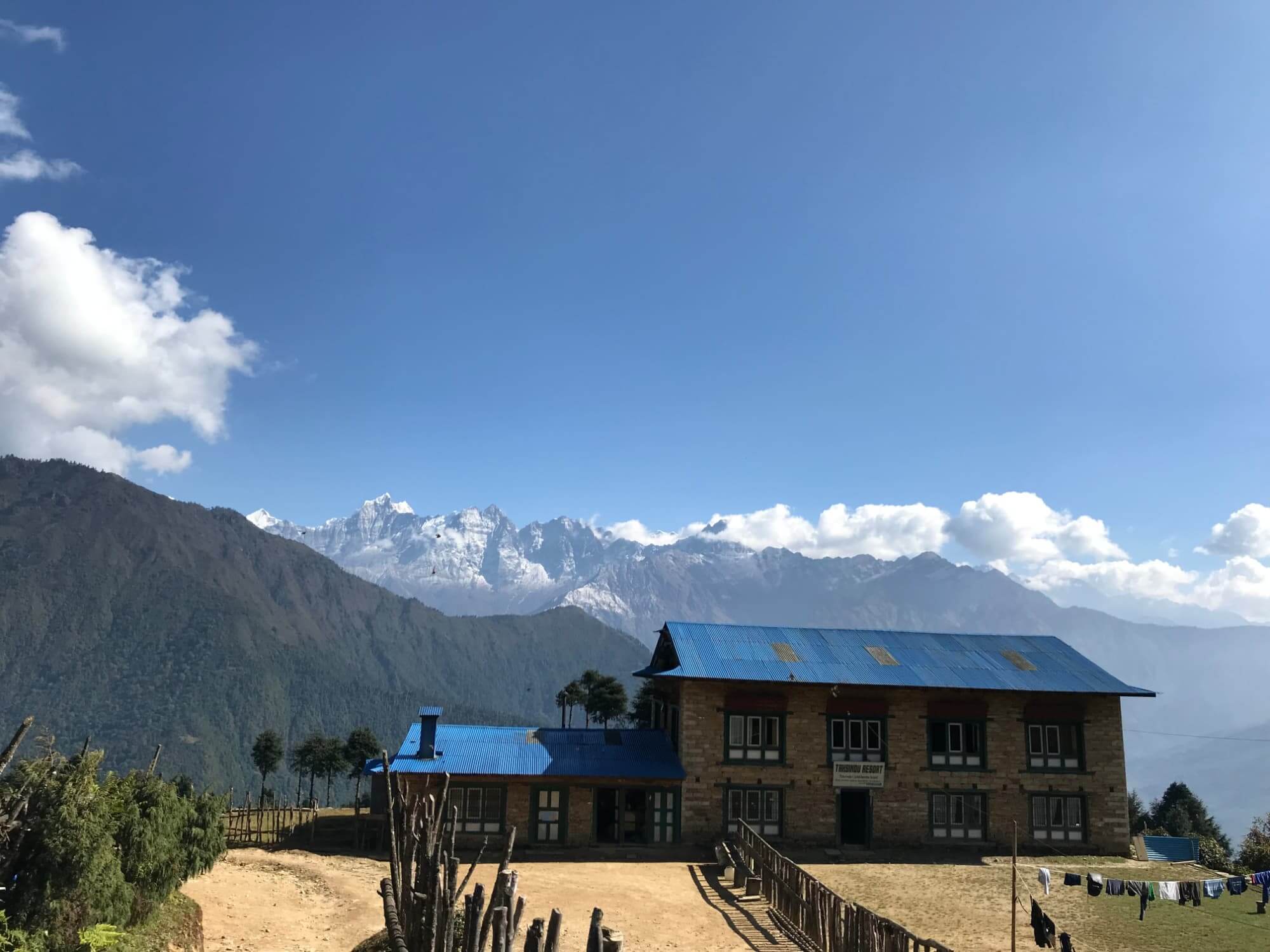
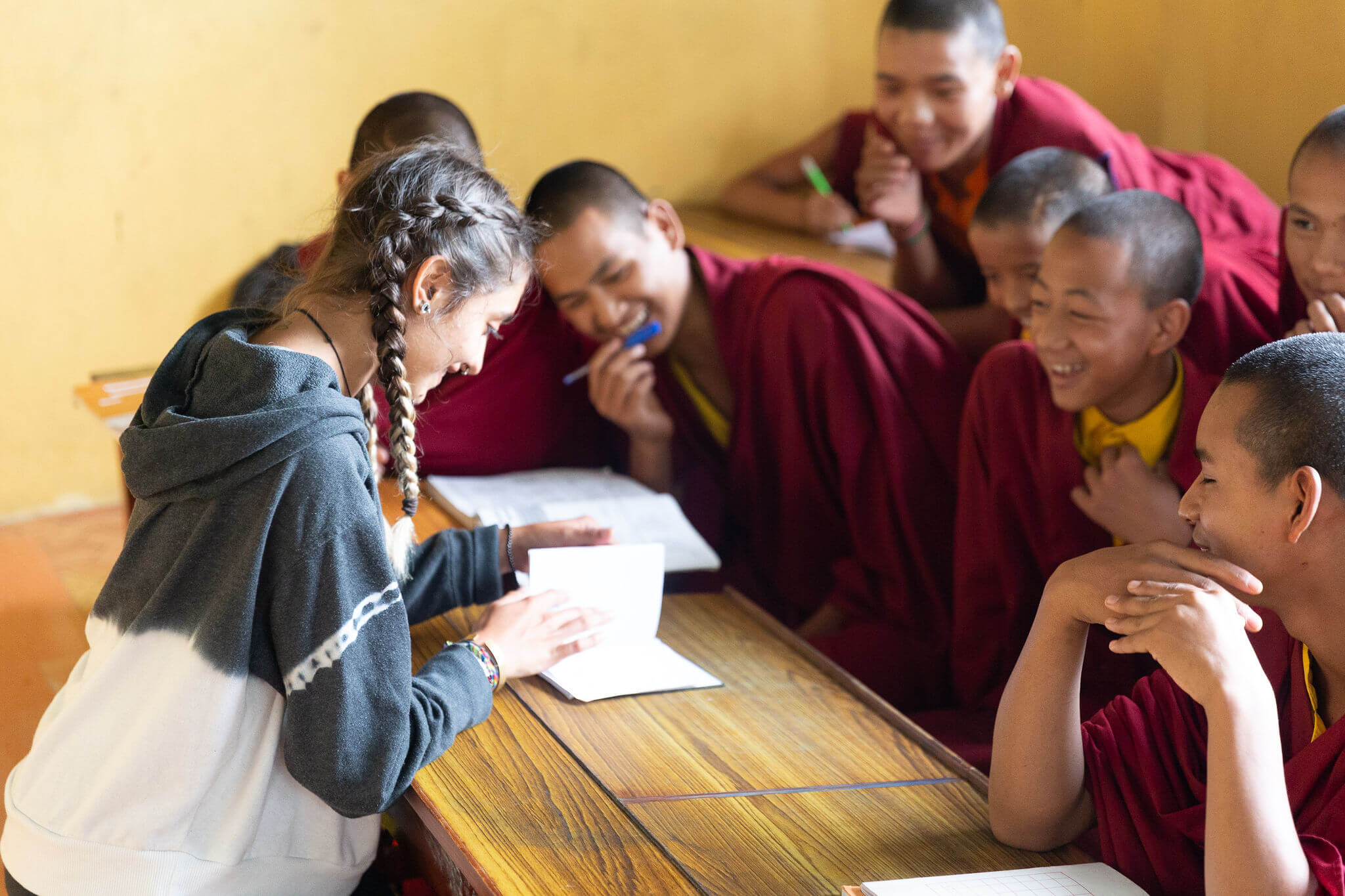
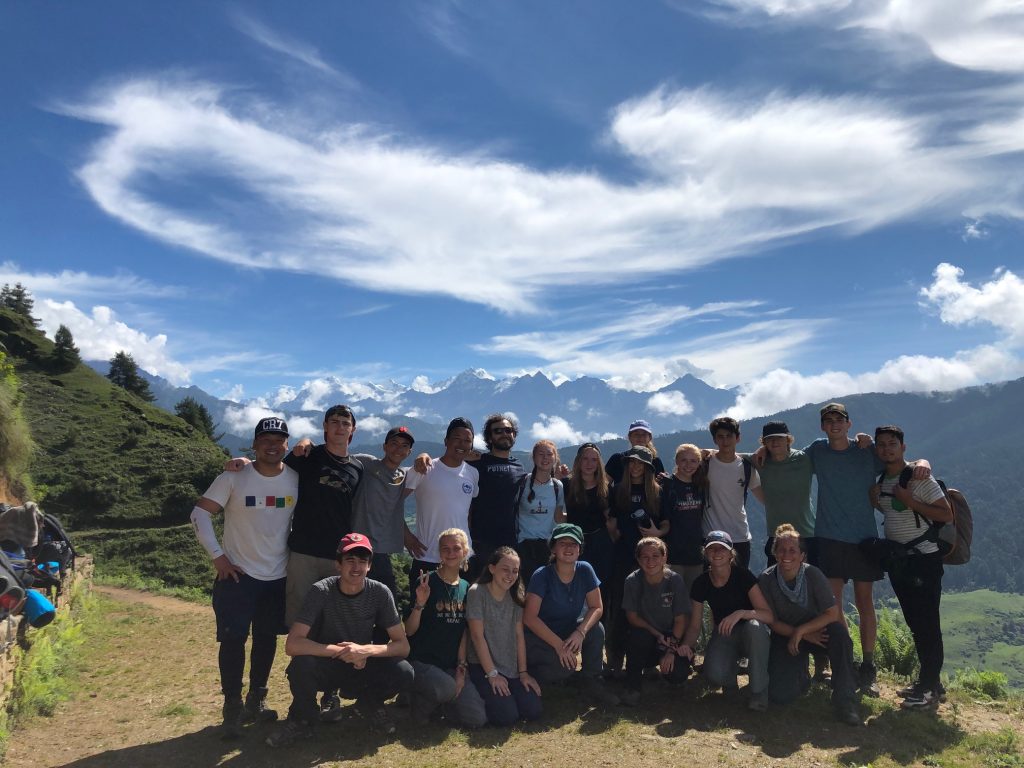
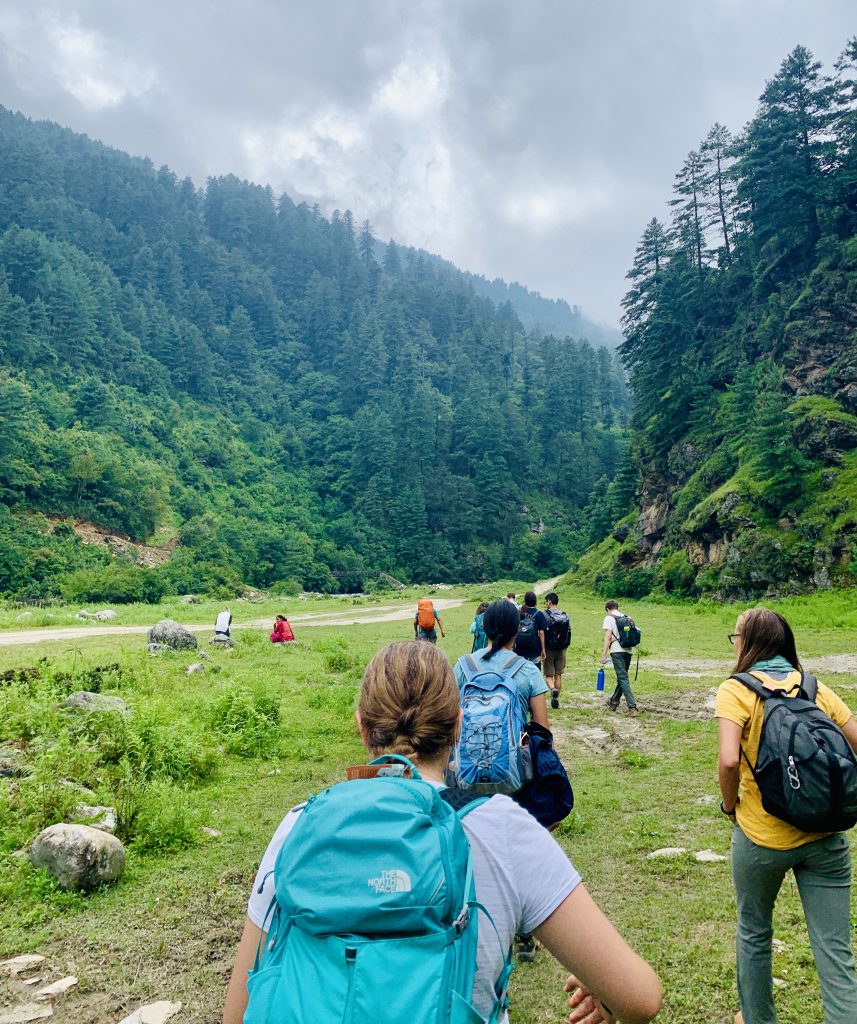
At the midpoint of your service work, hike from your village on the trail that leads up to Mount Everest with professional Sherpa guides. Follow in the footsteps of Tenzing Norgay Sherpa and Sir Edmund Hillary, who first summited Everest in 1953. Explore blooming rhododendron forests, and stop to chat with the families of Sherpas to hear epic stories of their mountaineering feats and Himalayan lore. Spend one full day at the Taksindu Tharling Sheddrup Monastery getting to know the monks and learning about Tibetan Buddhism. Join the novice monks in their classes, practice meditation, and experience a Tibetan puja ceremony with the presiding lama. Stay in family-run guesthouses and wake up to stunning views of the snowcapped Himalaya.
Return to your host village to complete your service projects and work on your independent project. On one of your last mornings in Solukhumbu, wake before dawn and drive to a nearby viewpoint to watch the sun rise over Mt. Everest. Celebrate your new friendships with local families and students over final cups of tea and games.
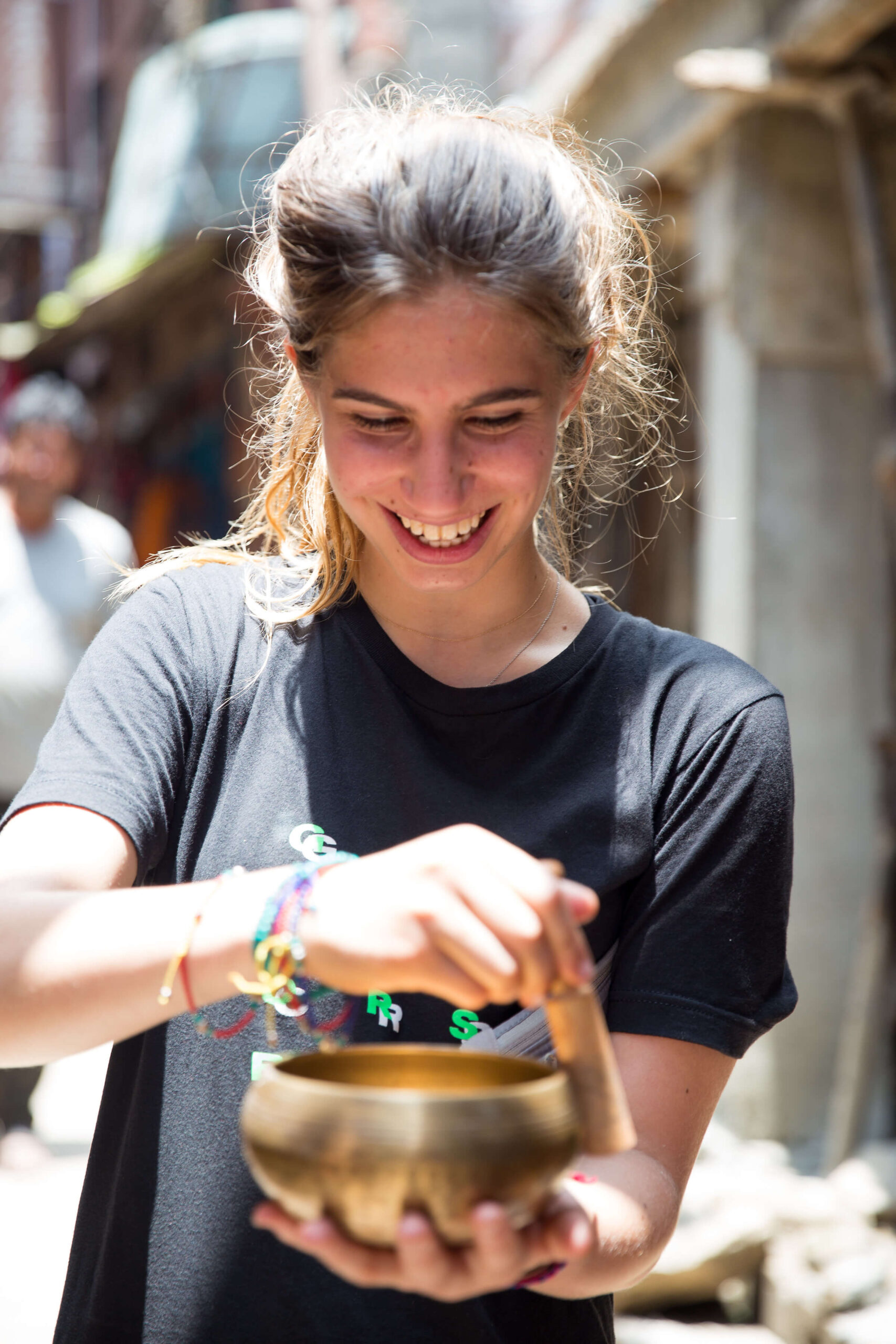
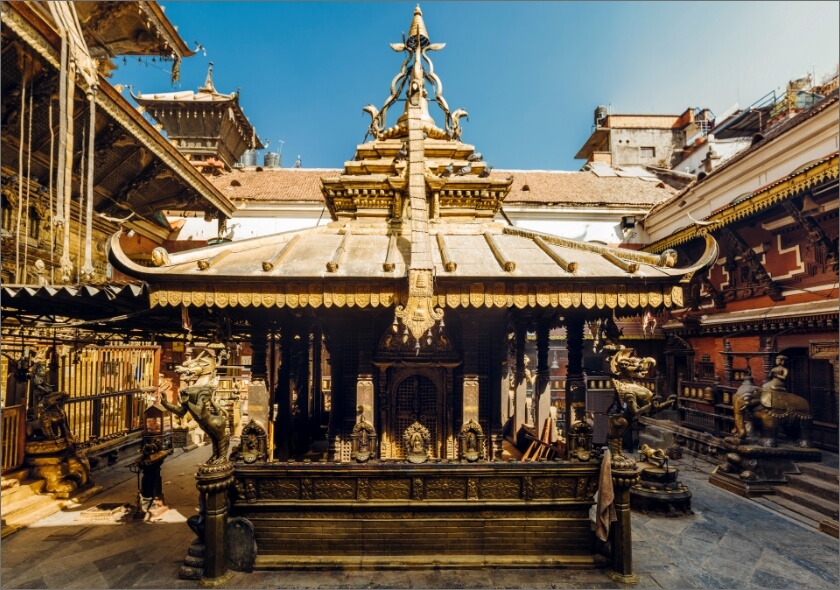
Travel from Solukhumbu to the medieval city of Bhaktapur which lies within the Kathmandu Valley. Here, ancient architecture offers a glimpse into Nepalese life before the arrival of modern influences. Stroll ornate palaces and the centuries-old Durbar Square, and step into mystical temples that welcome pilgrims from around the world. Meet with master artisans to hear how their cultural heritage is being preserved in the present day and participate in a singing bowl or at a traditional tile making workshop.
Return to Kathmandu to visit the Pashupatinath temple, present your independent project to your group, then enjoy a farewell meal with our Nepalese hosts and friends before flying home.
Fly with your group and a leader from Kathmandu to New York, then continue on to your final destination. To learn more about how we organize travel, click here.
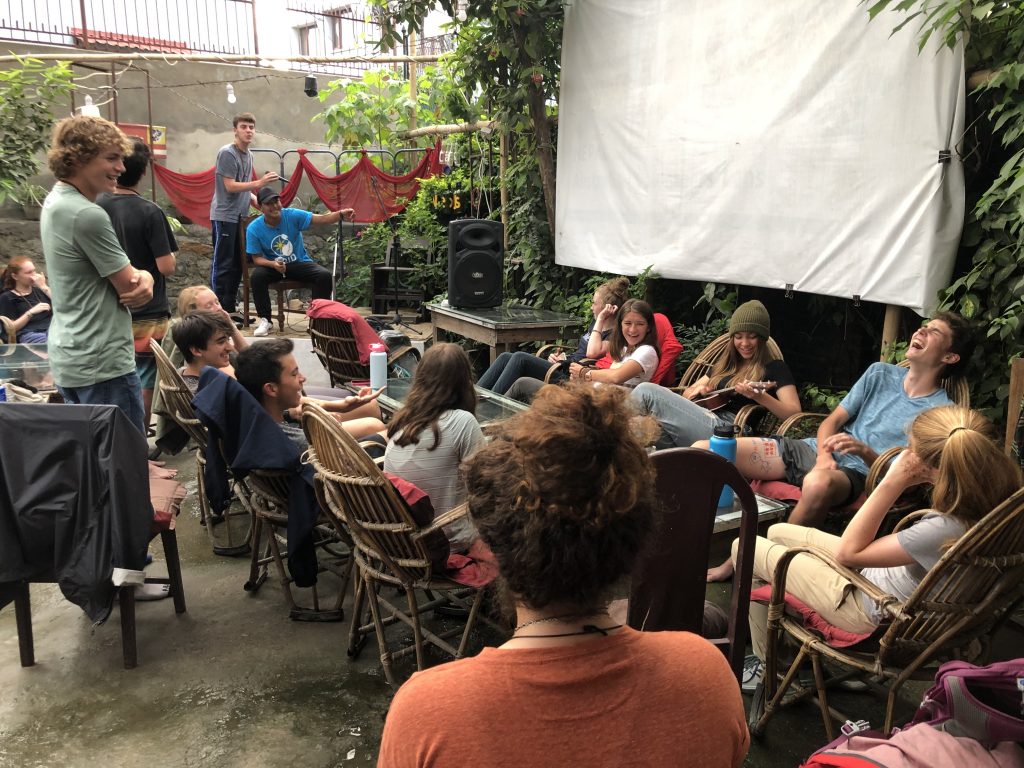
The focus of our Nepal high school service program is learning about another culture by forming meaningful relationships with local people and undertaking a shared service experience together. You should come to the summer with an open-mind, an eagerness to participate in new experiences, and interest in exploring another culture and way of life. Everyone participates in all of the group’s projects on a rotating basis, and lends a hand in meal preparation and cleanup. To learn more about our Community Service programs click here.
During your time Putney’s high school service program in Nepal, you can expect to work on several different volunteer projects—light construction projects where you may learn to mix cement and lay blocks for a classroom or dormitory, paint a community building, or improve recreational spaces at village schools; environmental projects such as tree planting or shadowing local farmers; and educational projects such as holding English conversation exercises with local youth.
To help students fully engage and immerse themselves in the Putney Student Travel experience, we do not allow use of cell phones or other internet-connected devices (including tablets, smart watches, laptops, etc.) on our middle school or high school travel programs. Students may have their cell phones during travel to and from the program. During the group’s in-country orientation, program leaders facilitate a call home, then collect and securely store all phones until departure day. Throughout the program, students have the opportunity for a weekly call home according to a pre-arranged schedule. For more details, please see our Approach to Technology.
Students on our Service Nepal program can expect to complete 50–70 service hours. Students receive a digital service certificate after the program that confirms their participation. The certificate will specify the exact number of hours completed, based on our host community’s identified projects for the group.
Yes, during the program, students have the opportunity to learn some basic Nepali. Nepali is the official national language and the lingua franca spoken across Nepal’s many ethnic groups. Most Nepali people also speak their ethnic dialect. Our local Putney contacts and guides speak fluent English.
All students on Putney programs pursue an independent project as a way to more deeply engage with aspects of local culture that are of particular interest to them—in Nepal, you might learn to make momos with a family in the host village, collect stories from Sherpa elders about mountain climbing in the high Himalaya, learn a traditional song or dance, explore the role of yoga or meditation in daily life, or conduct a series of interviews with local people to learn more about their lives.
This is a physically active summer service program. You can expect to work on service projects, farm, and play volleyball. In our host village, the group travels by foot each day. This service program also includes a three-day guided trek. You do not need to be at peak fitness to participate, but it is important that you have a desire to be outside and physically active.
Yes, Putney’s Nepal service program visits high-altitude destinations—our Solukhumbu host village is at 7,500 feet/2,286 meters, and on our trek we climb up to 9,500 feet/2,896 meters.
In Kathmandu and Bhaktapur, our high school Service Nepal program stays in simple guesthouses. In our host village, our group stays in the guest residence of a nonprofit educational center. On the trek, we stay in small mountain lodges.
On our Service Nepal program host village, we eat traditional and Western-style vegetarian meals. In Kathmandu and Bhaktapur, we eat in restaurants. On our trek, we eat simple, hearty meals at mountain guesthouses.
Putney’s Service Nepal program is designed for high school students (grades 9—12) who are interested in a meaningful service experience that focuses on cultural exchange, youth empowerment, education, and exploring creative solutions to development challenges in rural communities. This program is an ideal choice for students who are eager for adventurous outdoor experiences, including hiking and spending time in the natural beauty of the region.
Putney has a long history in South Asia, beginning with service programs in Rajasthan, India, in the early 2000s. A decade ago, we added programs in Nepal and Bhutan, further deepening our engagement in the Himalaya. In Nepal, we are fortunate to partner with a highly respected local organization, The Small World (TSW), whose youth and community-based work has been recognized by the Obama Foundation and the Girls Opportunity Alliance. This partnership offers Putney students a unique window into both the successes and challenges of poverty alleviation initiatives. Students witness firsthand how TSW supports local stakeholders in self-organizing, developing sustainable plans, identifying and investing resources, budgeting effectively, and overseeing long-term project implementation.
Our Nepal program offers meaningful engagement with local youth-focused programs and projects. In Kathmandu, and in our host village in the Solukhumbu Valley, our groups work with an organization that supports vulnerable young people. Daily interaction with Nepali youth creates valuable opportunities for cultural exchange and is often a highlight of the program. Solukhumbu is a largely Buddhist area, offering students a rich introduction to local cultural and religious traditions. The program’s three-day hiking trek introduces an element of outdoor adventure that is not common on our Service programs.
No specific experience or skills are required for success on our Service Nepal program, aside from coming with an open mind, a willingness to try new things, and participating positively in a supportive, small-group environment.
Students leave Putney’s Service Nepal program with a foundational understanding of the country’s history, culture, and the critical issues facing the Himalayan region, as well as a sense of accomplishment for the projects they complete alongside their group, local residents, and the nonprofit organization with which we collaborate. As travelers, students also develop greater confidence and independence, build strong new friendships, and return home with a broadened global perspective. For many it is a stepping stone for further study and travel in Nepal and beyond.