
Check out Oxford Academia programs at University of Oxford
For students currently in grades 9–12
For students currently in grades 6–8
Academic Programs

*These programs are typically for students in grades 9–12, however motivated rising 9th graders will be considered

Special programs & collaborations
Custom Programs

Looking to create a custom program or collaboration?

Challenge yourself academically at the world's most prestigious universities

Non-profit organization offering student travel scholarships

High school youth summit focused on public health, climate change, and equity

columbia-climate-school-icon

Campus-based climate change program for grades 9–12

Putney Programs in Expert

Learn More
Learn More
Learn More
Learn More
Learn More
Learn More
Learn More
Learn More
Learn More
Learn More
Learn More
Learn More
Learn More
Learn More
Learn More
Learn More
Learn More

Enroll in two programs & save $1,000!

$800 tuition discount + no application fee

Australia & Fiji
Australia, New Zealand, & Fiji
Croatia & Slovenia
Iceland
Italy & Greece
Japan
Kilimanjaro
Patagonia: Skiing
Switzerland, France, & Holland
Switzerland, Italy, France, & Holland
France
China
Ecuador & the Galápagos
Spain
Valencia & the Pyrenees
Costa Rica
Ecuador & the Galápagos
Hawai'i
Jamaica
Morocco
Nepal
Peru
Tanzania
Thailand
Vietnam
Japan
Alaska
Iceland
France & Holland
Greece & Italy
France
Spain
Costa Rica
Ecuador & the Galápagos
Hawai'i
Eligible for 8th grade*​
Columbia Climate School Collaboration
Harvard Chan C-CHANGE Youth Summit
Oxford Academia
*These programs are typically for students in grades 9–12, however motivated rising 9th graders will be considered

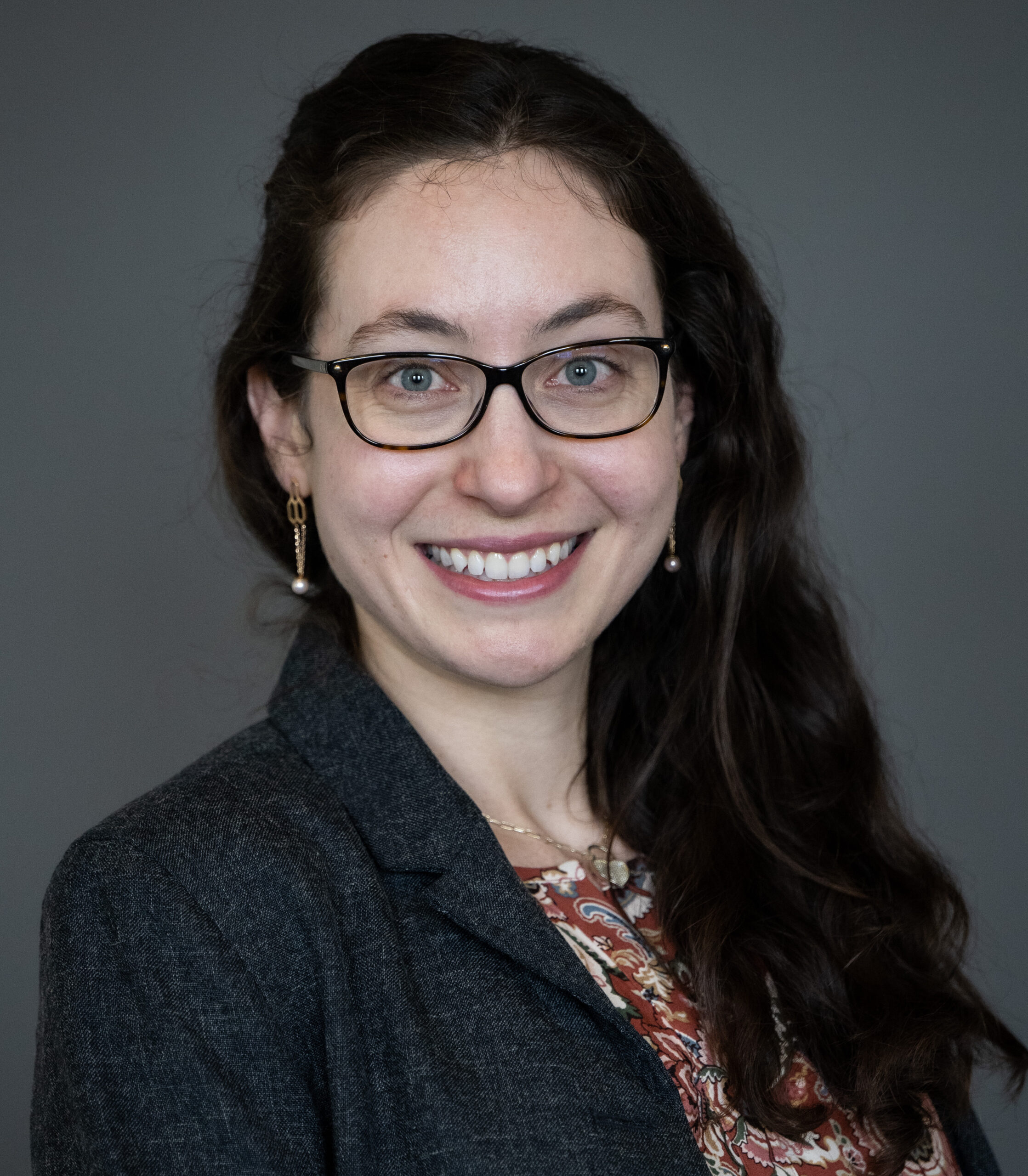
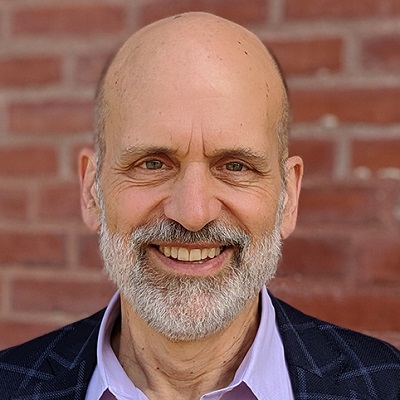
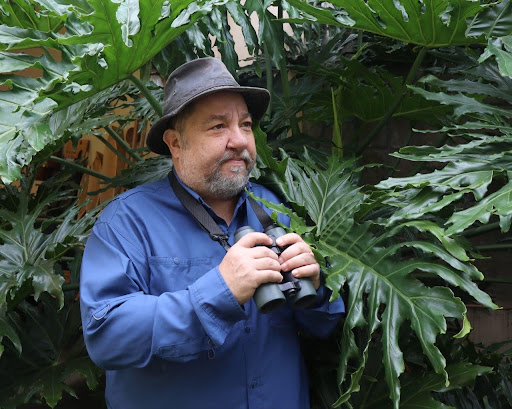
Gordon Kohse

As a student at the University of Calgary, Gordon studied chemical engineering during a period of concern regarding environmental issues like acid rain and energy supply limits. These challenges convinced him that nuclear energy could provide necessary solutions, leading him to pursue a doctorate in nuclear engineering at MIT. His research focused on the effects of irradiation on materials, specifically using the MIT Research Reactor (MITR) to study how metal alloys behave in fusion reactors. After completing his PhD, Gordon continued at the reactor as a postdoctoral researcher and research engineer before reaching his current role as co-director of the laboratory. Throughout his career, his research has centered on using the MITR for experiments to improve the safety and reliability of both fission and fusion reactors. Amidst growing concerns about global warming, Gordon remains dedicated to nuclear power’s role in providing energy without environmental harm. This commitment has fueled his work in education and outreach. He leads reactor tours for school groups from the U.S. and abroad and has adapted experiments to teach nuclear radiation concepts to students from middle school through university, both locally and remotely. Gordon also encourages laboratory staff and students to participate in these outreach efforts.

Questions?
We'd love to chat! Schedule a call our admissions team.

Be the first to know!

Be the first to get program updates, hear alumni stories, and stay in the know as we celebrate 75 years of trusted travel programs!

No spam, just inspiring stories and useful info.