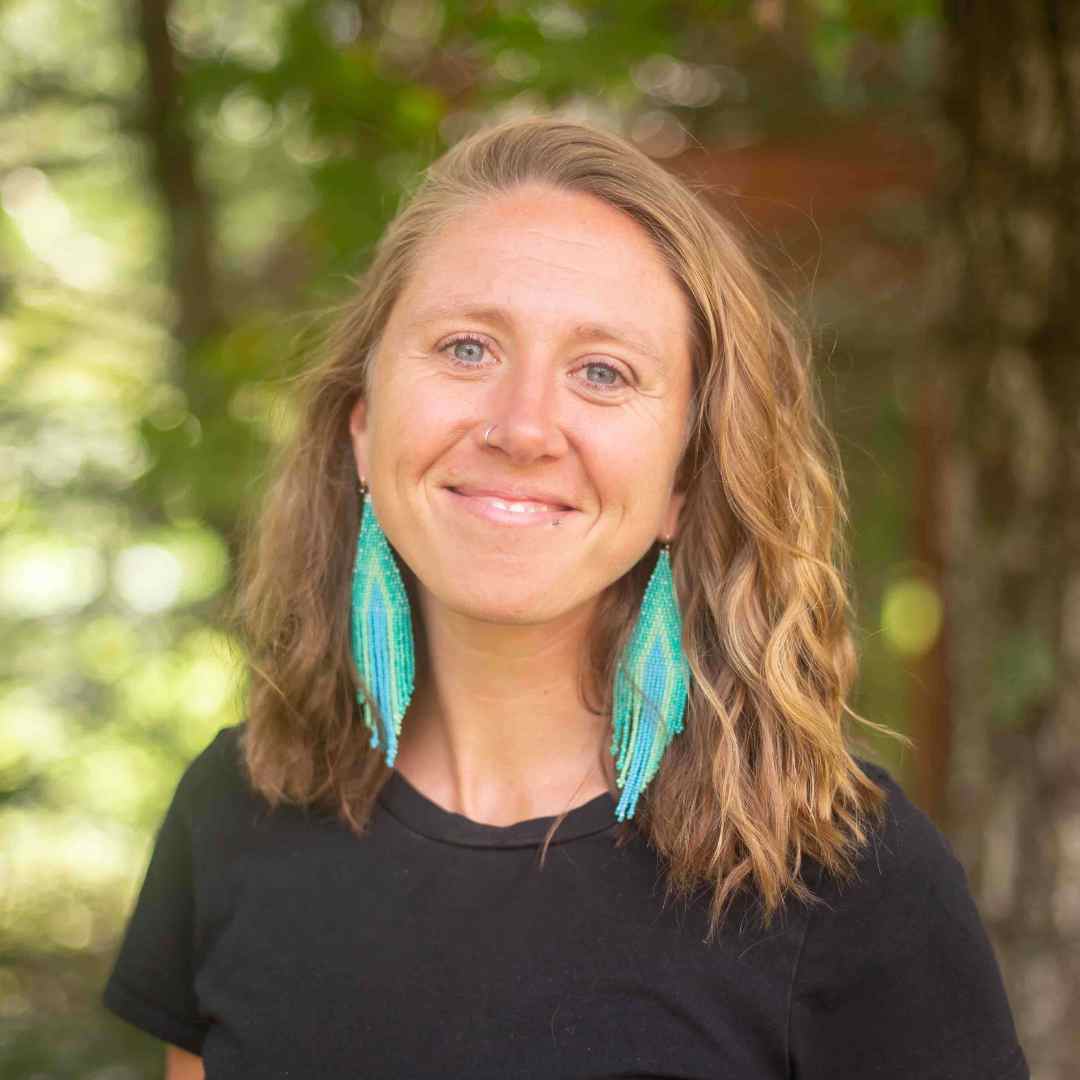
Program Directed by
Devon Swinburne
If you have questions or would like to talk further about this program, please get in touch!



Meet your fellow high school student travelers and one or more of your leaders in New York, and fly together to Buenos Aires, Argentina. To learn more about how we organize travel, click here.
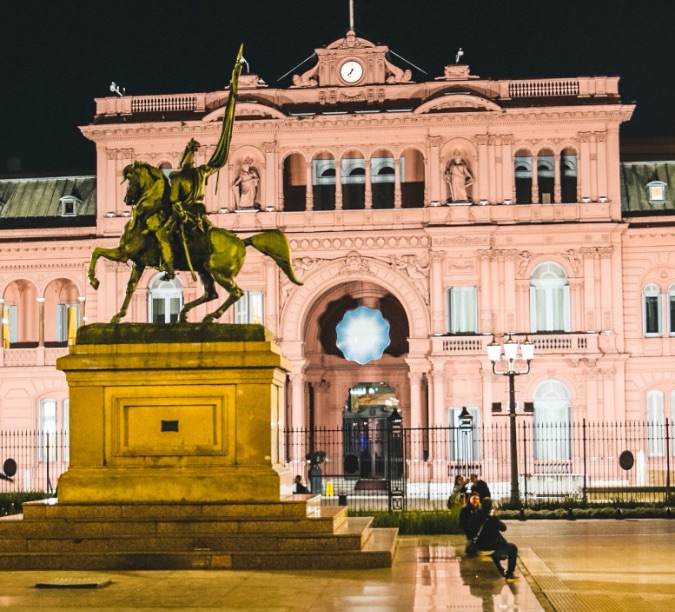
Begin your program in Buenos Aires, where you get to know your group and learn about the history, art, and culture of the city known as the “Paris of the South.” Hop on bicycles and explore the city and the cobblestone streets of El Tigre. Soak up the capital’s eclectic mix of European and South American architecture, listen to the beats and rhythms of a live tango orchestra, and savor the flame-grilled tastes of Argentina’s signature meal, the asado.
From Buenos Aires, fly south to El Calafate, then head north to El Chaltén, the “National Capital of Trekking” and a relatively new mecca for adventure travelers. Breathe in the fresh mountain air and take a guided hike around a frozen lake and through a high mountain forest. Eat lunch under two of the world's most famous peaks—Mount Fitz Roy and Cerro Torre—while taking in the first of many glacier views.
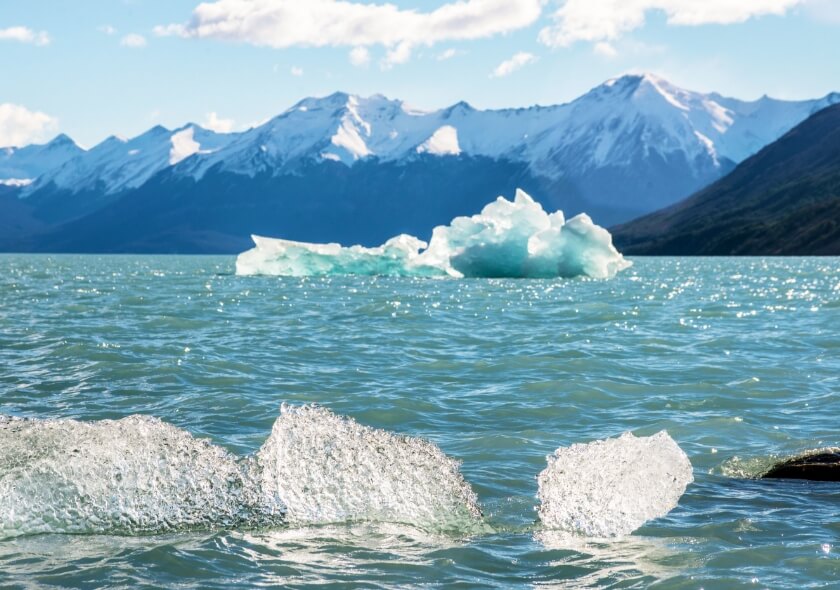
Travel back to El Calafate, a mountain town in the heart of Patagonia. Situated on windswept bluffs along the shores of Lake Argentino, El Calafate is our base camp for exploration on and around the Perito Moreno Glacier. Learn about the Southern Patagonian Ice Field at the Glaciarium Museum. Strap on crampons and trek atop one of the world’s only advancing glaciers.
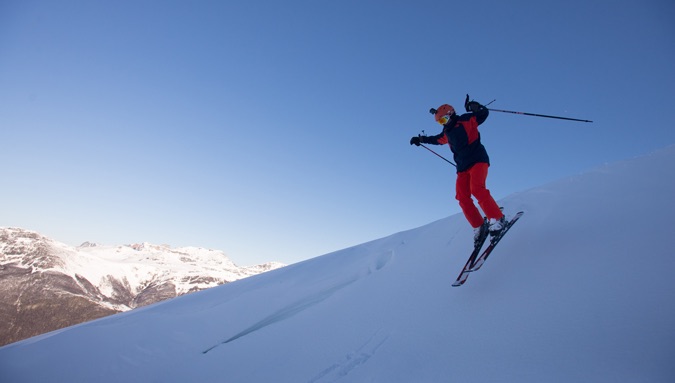
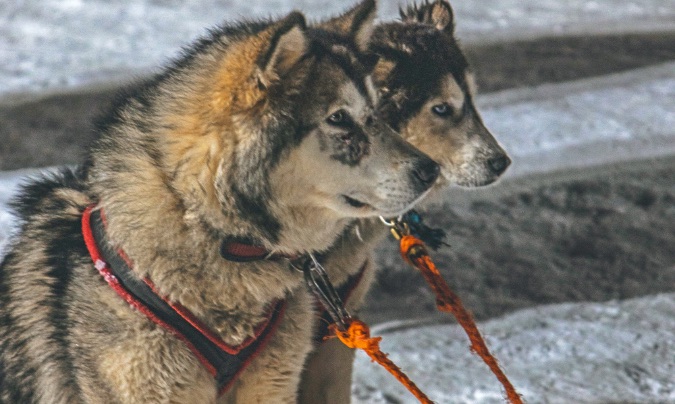
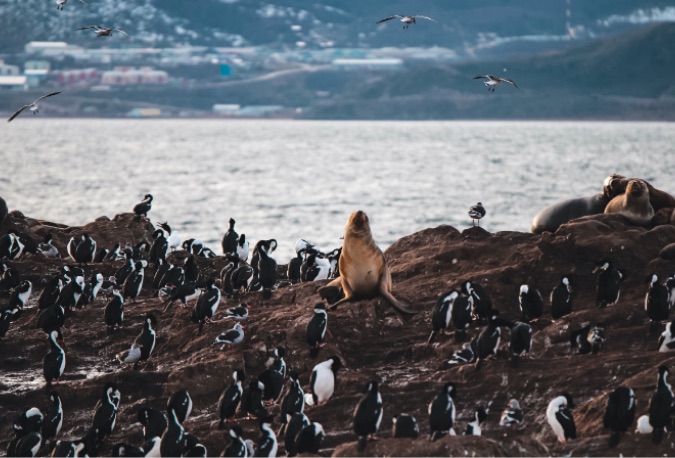
Take a short flight from El Calafate to Ushuaia, the southernmost city in the world and the winter adventure capital of Argentina. Surrounded by dramatic, snow-covered peaks and pristine fjords, explore this winter wonderland on skis and snowshoes. Gear up and lock in for four full days of downhill skiing on the slopes of Cerro Castor. In the evening, take a snowcat up the mountain for a ski session under the stars. Spend another day backcountry skiing or cross country skiing on the Martial Glacier. Mush through snowy meadows and frosty forests on dog sleds. Spend the evenings relaxing in cozy, warm accommodations, reliving memories made on each day’s adventures.
Fly with your group and a leader from Ushuaia to Buenos Aires, where you will enjoy one final asado. Then, fly to New York, arriving the following morning, and continue on to your final destination. To learn more about how we organize travel, click here.
Our high school Patagonia skiing program blends cultural immersion with outdoor adventure. Students can expect activities like hiking, four days of resort snowsports, backcountry ski lessons and exploring Patagonia’s natural beauty. Students learn about Argentinian culture through outdoor activities, visits to the capital city, and cultural experiences such as tango and visits to local museums. You should come to this snowy summer experience with an open-mind, eagerness to participate in new experiences, and interest in exploring another culture and way of life.
Yes! Proficiency in Spanish is not required. However, students who study Spanish in school will have opportunities to practice while interacting with local people. If you don’t speak Spanish you will have the opportunity to learn some basic language skills, which is a great underlying component of this program.
All students on Putney programs pursue an independent project as a way to more deeply engage with aspects of local culture that are of particular interest to them—in Patagonia, you might become an expert on Patagonia’s most famous glacier and craft a guide, create a book of recipes you have eaten during the program, or learn to perform a traditional tango and teach the group.
To help students fully engage and immerse themselves in the Putney Student Travel experience, we do not allow use of cell phones or other internet-connected devices (including tablets, smart watches, laptops, etc.) on our middle school or high school travel programs. Students may have their cell phones during travel to and from the program. During the group’s in-country orientation, program leaders facilitate a call home, then collect and securely store all phones until departure day. Throughout the program, students have the opportunity for a weekly call home according to a pre-arranged schedule. For more details, please see our Approach to Technology.
Our Patagonia skiing program is a very active outdoor adventure experience. Students should arrive with an adventurous, can-do spirit, prepared to experience a snowy, southern winter with possible snowfall during their time in the region. Program days are full of winter activities such as downhill skiing, snowshoeing, cross country skiing, hiking, and glacier trekking. You do not need to be at peak fitness to participate, but it is important that you have a desire to be physically active, that you enjoy winter weather, and that you are excited about trying all activities.
No, the skiing portion of our Patagonia program takes place at Cerro Castor near Ushuaia, which has a low base and relatively low peak elevation of 3,468 feet (1,057 meters). The rest of the program itinerary is in lower-elevation coastal and southern regions.
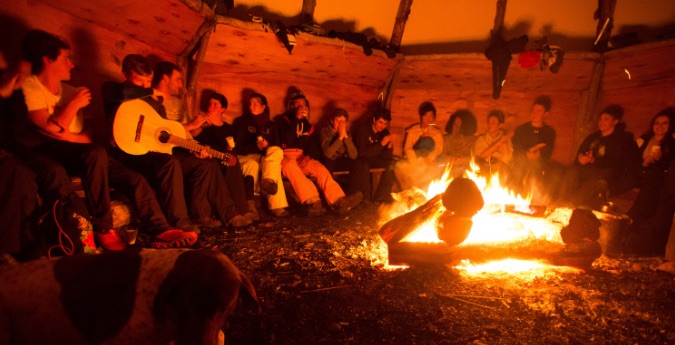
Accommodations in Argentina are varied, ranging from comfortable, family-run hostels with cozy communal areas for group meals and evening chats, to warm, rustic mountain refugios providing home-cooked meals and open common spaces surrounded by views of snowy peaks. Rooms are a mix of doubles, triples, and quads. Leaders reside together with the students throughout the program.
We begin each day with a traditional Argentine breakfast at our residence. For lunches and dinners the group often finds small restaurants or hits the markets to purchase food for a picnic. Argentines savor their meals, taking time to gather with family and friends at the table, eat slowly, and enjoy one another’s company. During the program, students spend one night preparing a family-style meal, cooking and enjoying it together as a group. Grilled meats and vegetables are a staple of Argentinian cuisine and culture.
Our Patagonia skiing program is designed for high school students (grades 9–12) who are active, adventurous, and excited to spend significant time outdoors in winter conditions. It is an especially good fit for students who already enjoy skiing or snowboarding and want to improve their skills while exploring a new culture and landscape. Successful participants are flexible, resilient, and comfortable embracing changing weather, active days, and unfamiliar experiences. They should also be curious about Argentina, eager to connect with their group, and ready to balance time on the slopes with cultural exploration and other outdoor adventures throughout Patagonia.
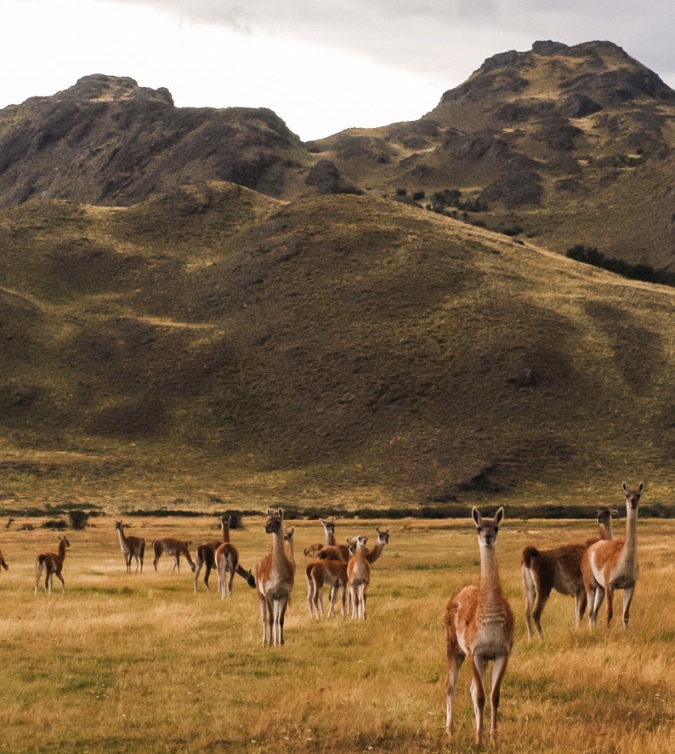
Patagonia is one of the world's premier destinations for outdoor adventure, offering spectacular mountain scenery, world-class skiing, and some of the most pristine natural environments on Earth. Its combination of glaciers, alpine forests, dramatic peaks, and vibrant Argentine culture creates an ideal setting for Putney students to challenge themselves, while gaining a deeper appreciation for the natural world.
What distinguishes a program with Putney is the depth of its roots in a place like Patagonia. Putney has longstanding relationships with local guides and outfitters there, which means our students aren’t just passing through—they’re engaging with people who know the land intimately. These longstanding partnerships allow for more meaningful education, adventure, and cultural exchange.
Our Patagonia: Skiing program stands out among our program offerings for its adventurous itinerary, cultural immersion, and expedition focus. Students spend ample time hiking, trekking, exploring cities on foot, downhill skiing, and backcountry skiing. Importantly, the program also pairs adventure with meaningful cultural exchange with local guides, through hands-on outdoor adventure education—building skills, leadership, and environmental awareness through daily life in Patagonia. Students interested in the rich Argentinian culture and lifestyle will do well here. There are many opportunities for students to use and develop their Spanish language skills while communicating with our local connections. Like all Putney Student Travel programs, this trip features small groups and student leadership, but uniquely offers more responsibility in a true adventure setting.
Students do not need advanced snow-sport skills to join the program in Patagonia, but they should come prepared for an active, outdoor experience. A solid baseline of skiing or snowboarding experience is helpful, as is hiking experience. Students should enjoy being outdoors in winter weather, as days often include trekking, exploring, and extended time outside in variable weather conditions—it is winter in parts of Patagonia, so students should be ready for colder temperatures.
Certain activities may call for specific comfort levels—for example, one day includes cycling in Buenos Aires, so being comfortable on a bike is helpful. Most important, though, is mindset: students should arrive with an open mind, a willingness to try new things, and a readiness to contribute positively to a supportive, small-group environment.
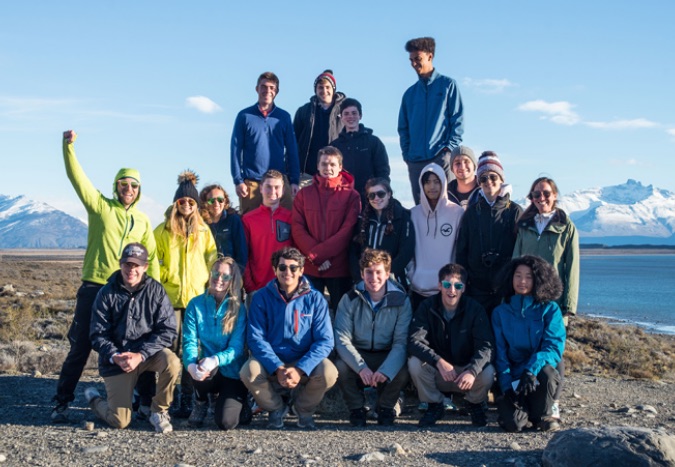
Students return from Patagonia with greater confidence, resilience, and independence after challenging themselves both on and off the mountain. As they improve their skiing or snowboarding skills, they also strengthen teamwork, adaptability, and problem-solving through shared adventures in unfamiliar environments. Immersion in Argentina's culture and Patagonia's extraordinary landscapes fosters a deeper appreciation for travel, the outdoors, and environmental stewardship. Living and traveling closely with a small group fosters strong friendships, empathy, and collaboration. Students leave with lasting friendships, unforgettable memories, and the confidence to embrace new challenges long after the program ends.
Many students also leave with a broader sense of perspective—on the environment, on different ways of life, and on themselves. For some, it can spark new academic or personal interests; for others, it clarifies what kinds of future challenges and experiences they want to seek out.