

Emma designs and directs our programs in Spain. Based in Madrid, she recently headed further afield to meet with our friends and partners throughout the country, and reported back on her journey.
📍 Days 1–2: Cuenca
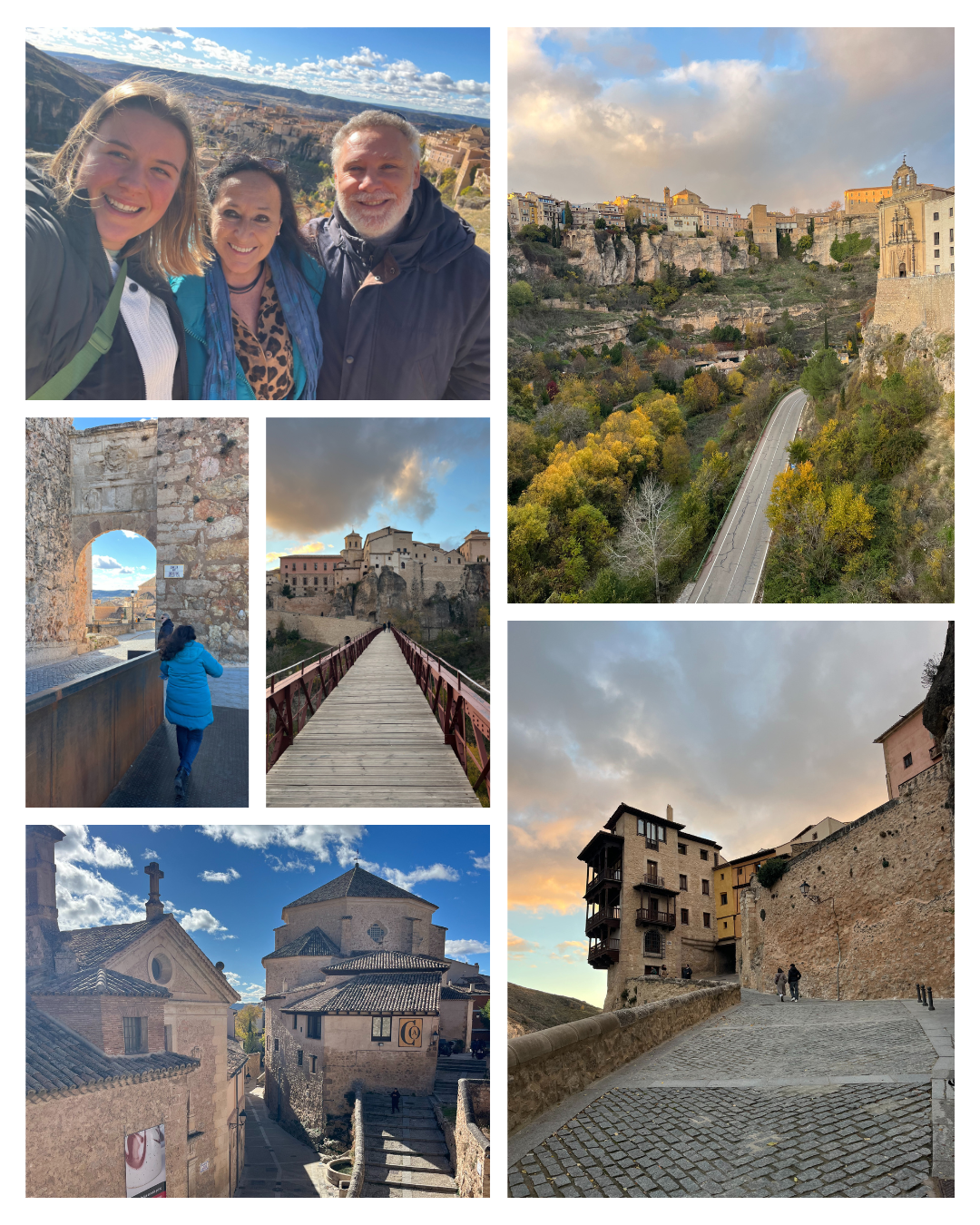
My journey began with a brisk 59-minute train ride from Madrid to Cuenca, perfectly timed with a cold snap across central Spain. The mountain air was a shock to the system. Our Language Spain Daystay Coordinator, Ada, and her husband, Piti, kindly picked me up and drove me into the center of town, where they generously hosted me in an apartment inherited from Piti’s aunt.
We headed into the casco antiguo to enjoy a menú del día at Posada Tintes, a beautiful old-style tavern and hostel where Putney groups typically share a meal. Over lunch, we talked about all things Putney. Ada has worked with our groups for over 20 years and remains remarkably open to evolving the program. She’s considering training a replacement this summer, recognizing that physical limitations may soon prompt retirement. Her granddaughter, Nieves—who has worked with groups before—will likely take over in the coming years, depending on her university schedule.
Ada fondly recalled a past learning moment when Nieves once took the group to an overly expensive hamburger restaurant with slow service. While Ada mentioned it several times during our visit, we all agreed that growth comes through experience. We’ll make a few minor adjustments this year, but the program’s structure remains tried and true.
After a siesta, Ada, Piti, and I reconvened for dinner at the highest point of the casco antiguo before turning in early.
The next day, we met late in the morning for a short tour of the upper old town, starting at the lookout where students enjoy their final dinner and celebration with Daystay families. We discussed activities like the legends tour and a visit to the river beach. The views were stunning—and the cold reassuring for summer programming. Lunch featured local specialties (morteruelo and zarajo), and after Ada and Piti departed for Valencia, I wandered the nearly empty streets, catching sunset views of Cuenca’s iconic casas colgadas.
📍 Days 3–4: Albacete
I arrived in Albacete determined to keep an open mind. Spaniards often joke unkindly about the city, and many asked why I was stopping there at all. Fortunately, I was there to meet with Carmen, our Middle School Language Spain Daystay Coordinator.
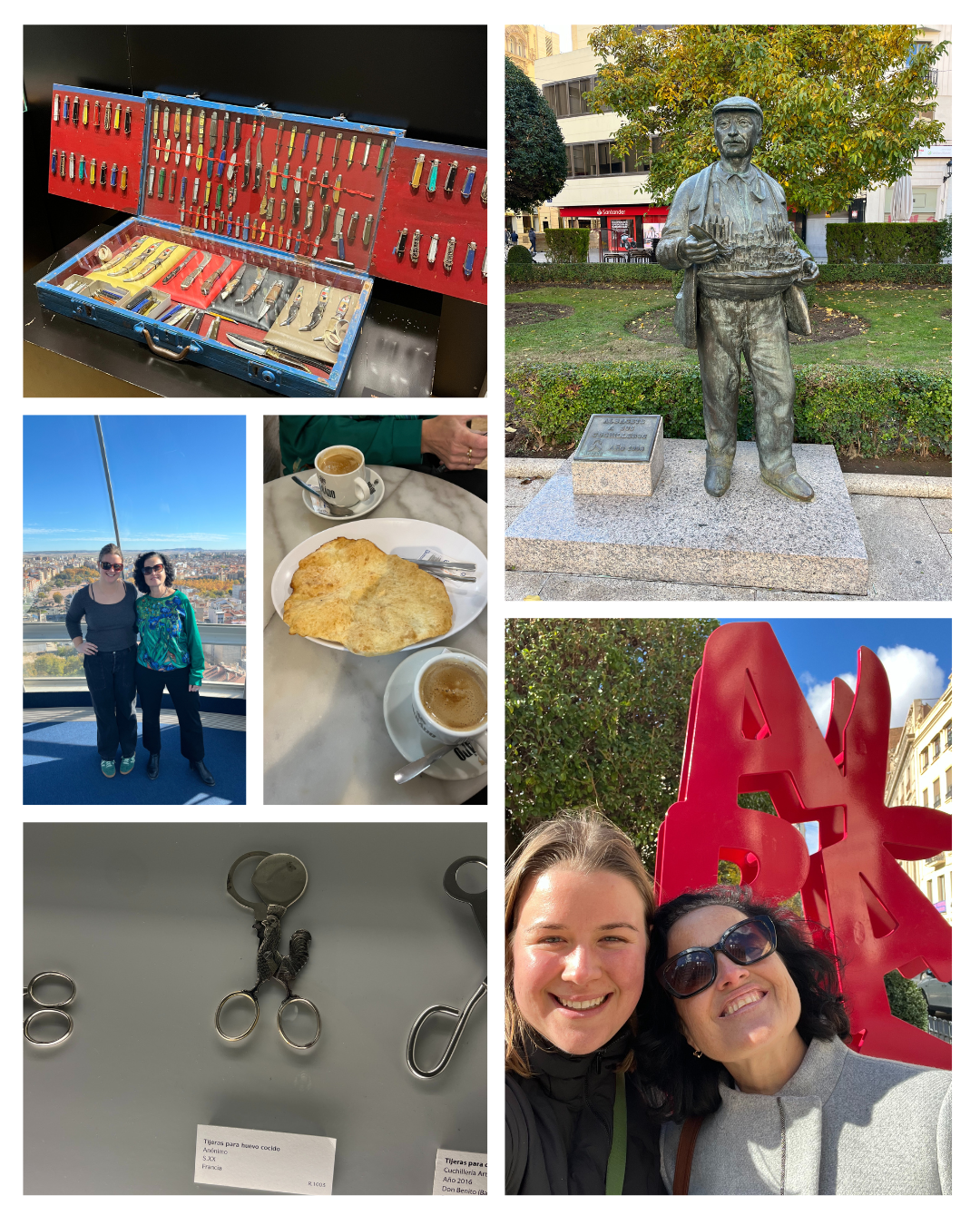
We immediately headed out into the city. We started with a snack at a university café near the group’s hotel, where students enjoy a break from traditional Spanish food. Carmen explained how the language pledge works in practice and shared strategies leaders use to encourage Spanish conversation, including smaller table groupings and conversation prompts.
From there, we walked through the park into the city center, beautifully decorated for Christmas. We visited City Hall and an exhibit curated by El Rubio, Federico García Lorca’s last lover—a fascinating and poignant story deeply tied to Spanish history.
Next came Albacete’s crown jewel: the Museo de Navajas. Known worldwide for its pocketknives, the museum showcases remarkable craftsmanship—and even an entire wing devoted to scissors. Our Language students experience the museum in Spanish, learning history and cultural tradition, and are taught the custom that gifted knives must be exchanged for a coin to preserve friendship. Carmen kindly gifted me a small navaja, now proudly displayed at home.
Later, we were serenaded by tunos outside the cathedral and enjoyed dinner with Paco, Carmen’s close friend and former Daystay coordinator. Paco now works with Senegalese refugee communities in Albacete. We wrapped up late and I collapsed into bed at Hotel Universidad.
The following morning brought coffee, churro-adjacent pastries, a Civil War tunnel refuge tour, and a visit to Albacete’s water tower—an experience we agreed would be a great program addition. After a rushed lunch, I sprinted to the station…only to discover my train was delayed by 50 minutes.
📍 Day 5: Valencia
That evening, I arrived in Valencia, where Claudia, our program partner who coordinates language classes and camp collaborations, picked me up. The city felt instantly busier and more urban. My partner Denis joined me, and we enjoyed dinner with Claudia and her son Santi, who also works with our summer programs.
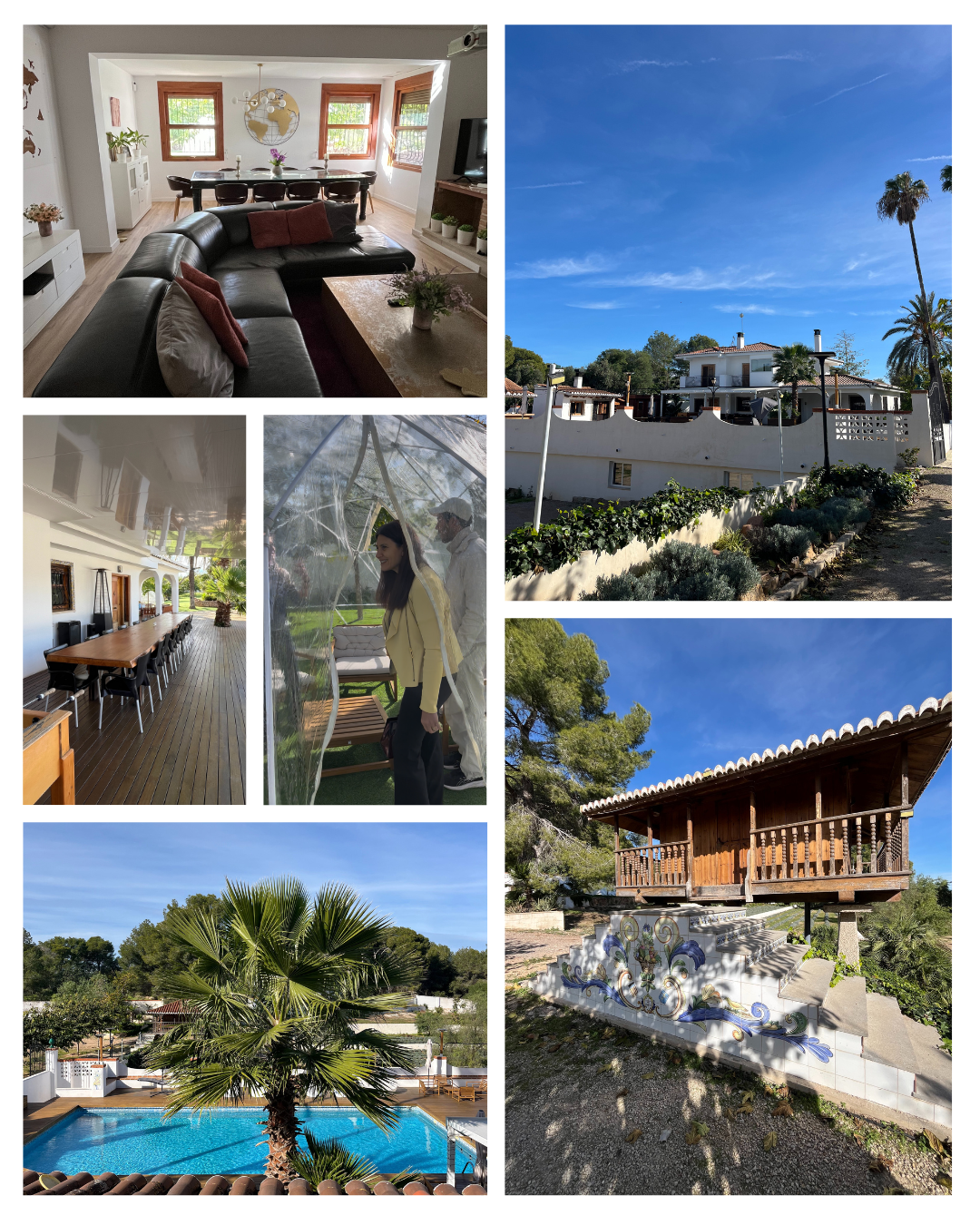
The next day, we visited the new group house for this summer. It is close to the airport and metro and is spectacular—complete with two jacuzzis—and well suited to student groups.
📍 Days 6–7: San José
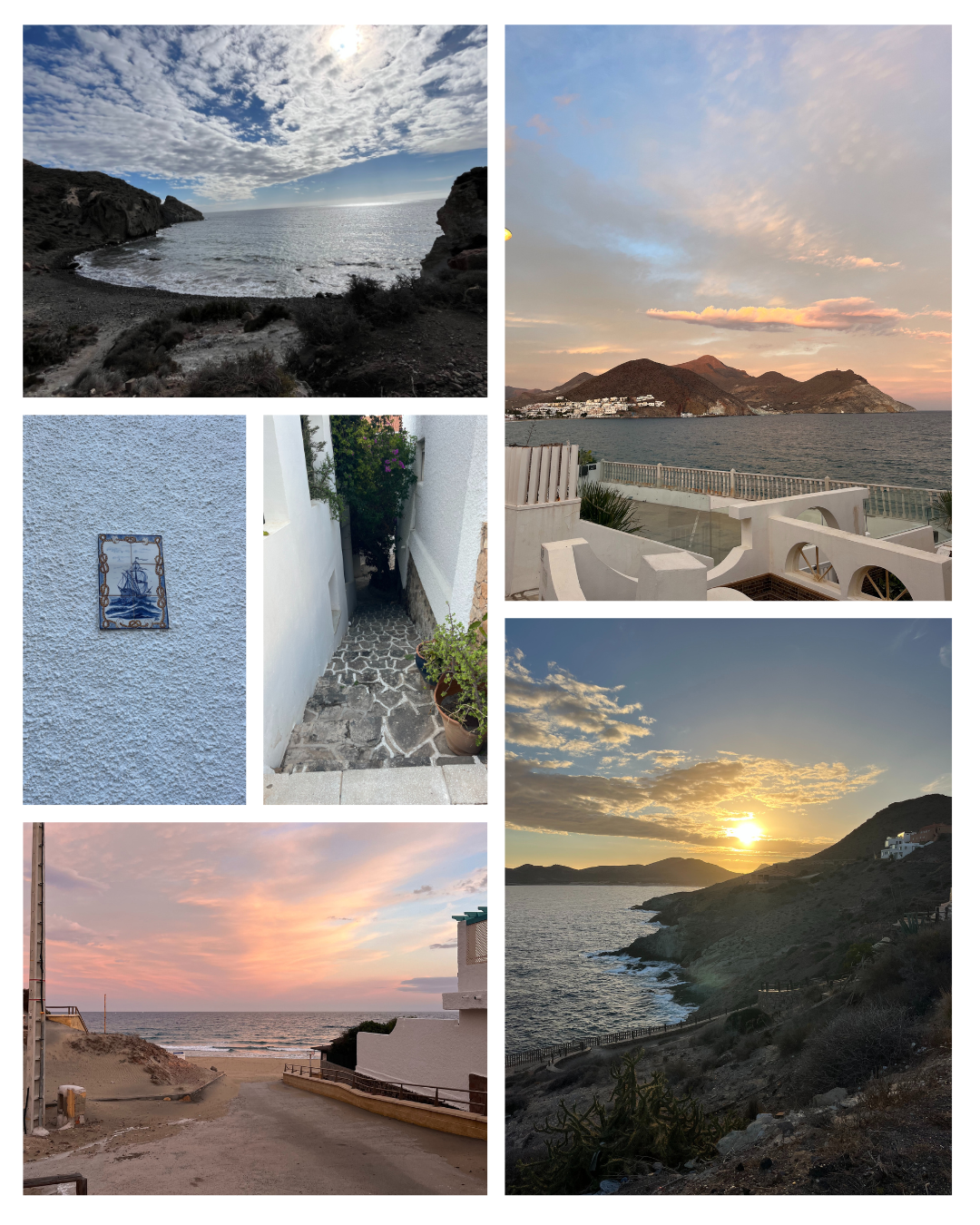
Traveling by bus from Valencia to San José gave me an appreciation for the long journeys our students take. Upon arrival, the town felt eerily quiet—only about 20% of homes are occupied year-round.
The next morning, I explored the snorkeling drop point, met with Iñaki—our snorkeling and stargazing guide—and shared lunch at his home with his daughter Lira, who proudly helped prepare fried zucchini. Iñaki shared insights into his seasonal work and was delighted to hear about Putney’s other global programs. We ended the day watching the sunset over the sleepy town.
The following morning included a visit to the group hostel and a spontaneous (and very cold) swim in the Mediterranean.
📍 Day 8: Nerja
Denis and I continued on to Nerja, where our high school groups concluded their journey. Though I couldn’t meet with our main contact due to a family emergency, I connected with hotel partners José and Cintia, explored the town, and visited the Balcón de Europa before continuing on to Granada.
📍 Days 9–10: Granada
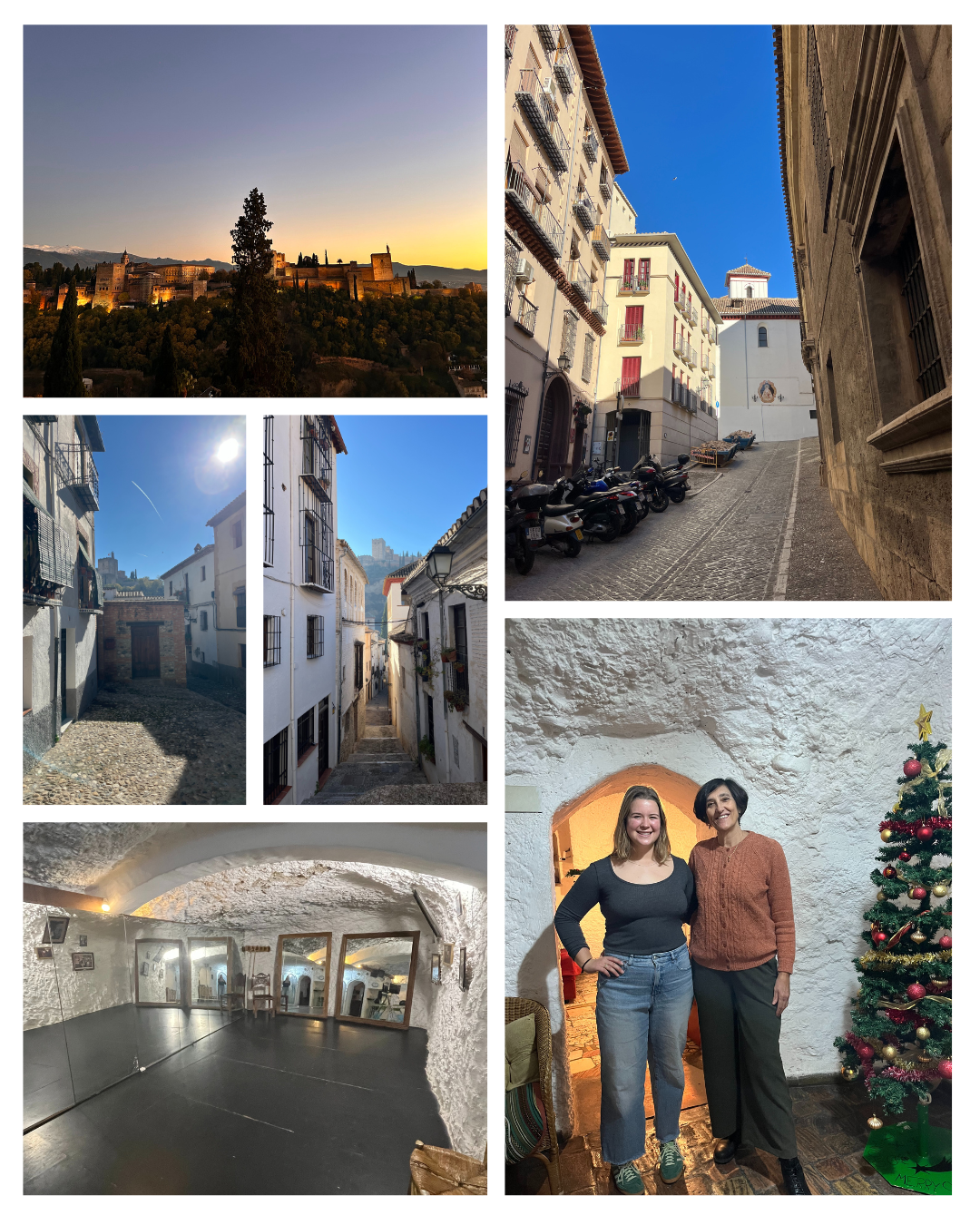
Granada welcomed us with history, warmth, and tapas. We stayed at Hotel Anacapri, a long-standing Putney partner, ideally located near Calle Elvira and the Albaicín. After a sunset visit to the Mirador de San Nicolás overlooking the Alhambra, we rested up for the next day.
I visited Carmen de las Cuevas, where students learn Flamenco in traditional cave studios, and recorded an interview with Carmen, the founder. Back at the hotel, I chatted with Gemma, another longtime supporter of our groups.
Before departing, I wandered Granada’s streets, inadvertently became part of a sociology study, enjoyed one last round of tapas, and shared laughs with locals over fashion and laundry habits.
Finally, we boarded the AVE back to Madrid. I returned home exhausted, but deeply energized—reminded that each stop on our Spain programs is truly a world of its own, shaped by extraordinary people and places.
Click here to explore our programs in Spain.